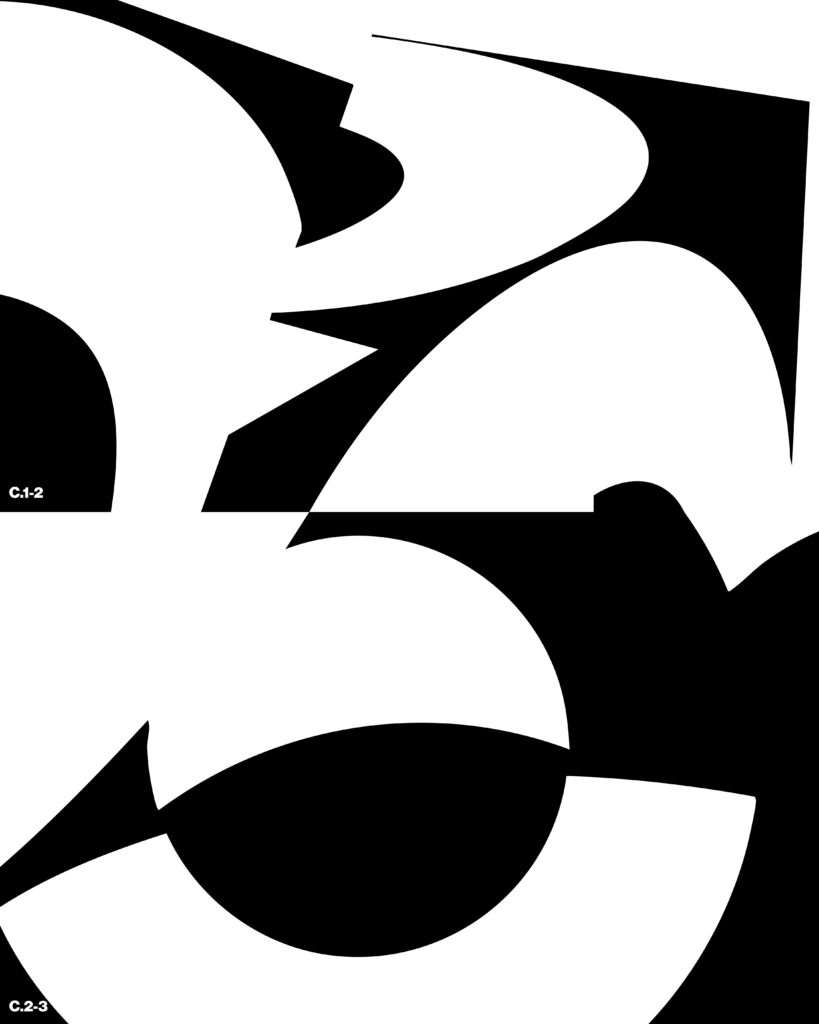
INTERVIEW
Filippo Quattrucci

Filippo is a 24-year-old graphic designer from Rome, Italy. Over the past three years, he has worked as a freelance designer for festivals and music events in his city. He is currently part of the team at Mistaker, an independent multidisciplinary studio based in Rome. Based on the chapter on transformation-based systems in the book Flexible Visual Systems, he developed a couple of experiments on motion identity systems. They are so good, I had to let him show them to you.
Hi Filippo, tell me a bit about yourself before we talk about your work.
Hi Martin, in recent years, I’ve developed a strong focus on motion and typography, trying to combine static and animated graphic design. This approach led me to think about design “in motion” and explore the idea of systems in visual identities.
How did you come in contact with FVS?
I discovered FVS a couple of years ago when I bought the book. I was fascinated by the idea of finding a kind of manual that could systematically explain how to design contemporary visual identities. At that time, I was just starting my career, and understanding the importance of flexibility within a visual identity was a key step for me.
The part of the book that inspired me most was discovering how simple geometric elements can be used to create complex shapes.

I am not aware of anyone experimenting with the transformation-based systems described in the book. Everyone immediately jumps on the form-based systems. What made you interested in them?
I find the transformation-based system the most interesting and fun to use approach in the book, because it focuses on the design process itself. I like deciding how to transform the input — whether it’s a shape, text, or image — and setting the rules the system will follow. The final result is often unexpected, which makes it even more exciting to see.
What makes this system so fascinating is its potentially infinite variety of outcomes, especially when you animate the input — or even the grid that drives the transformation.
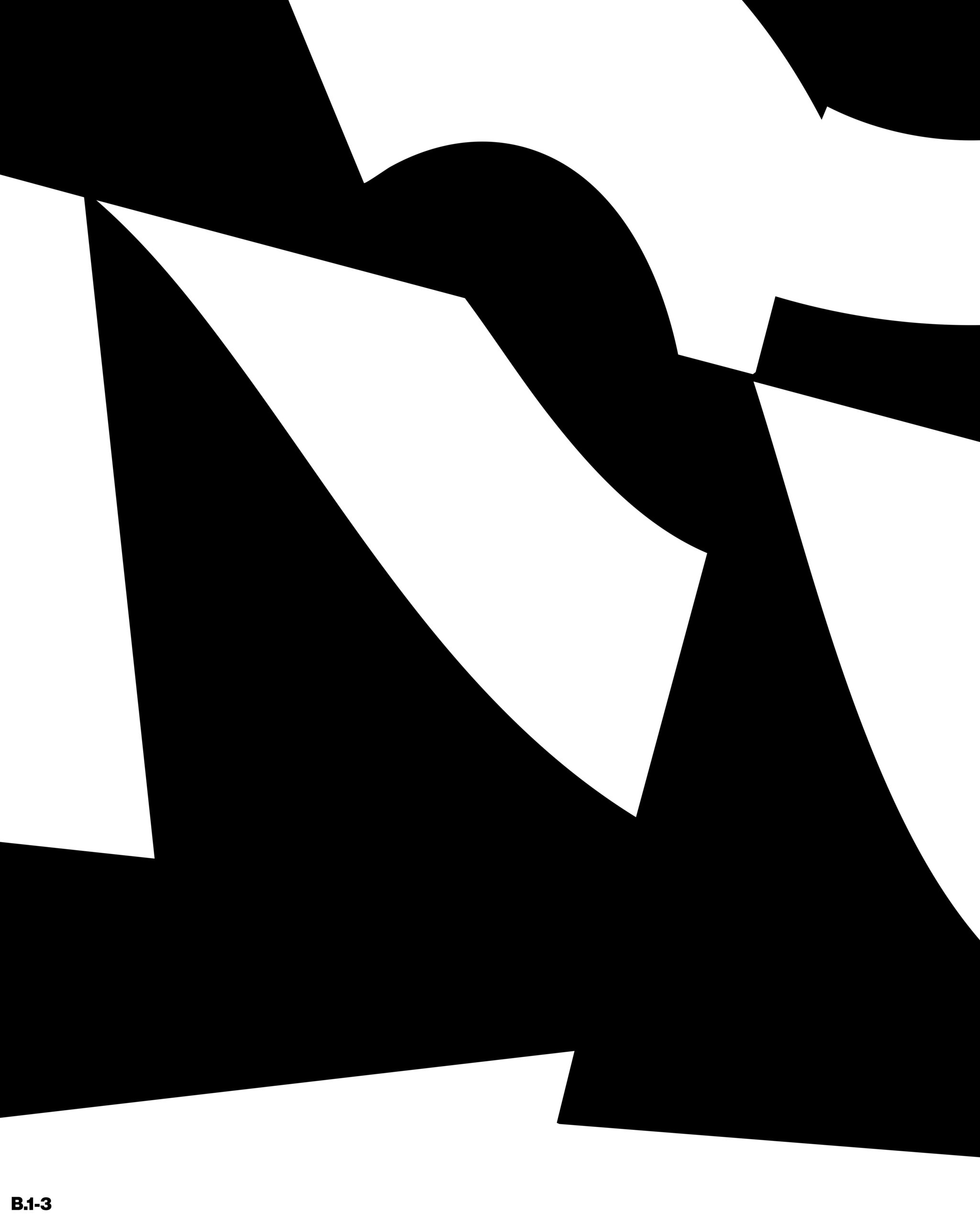

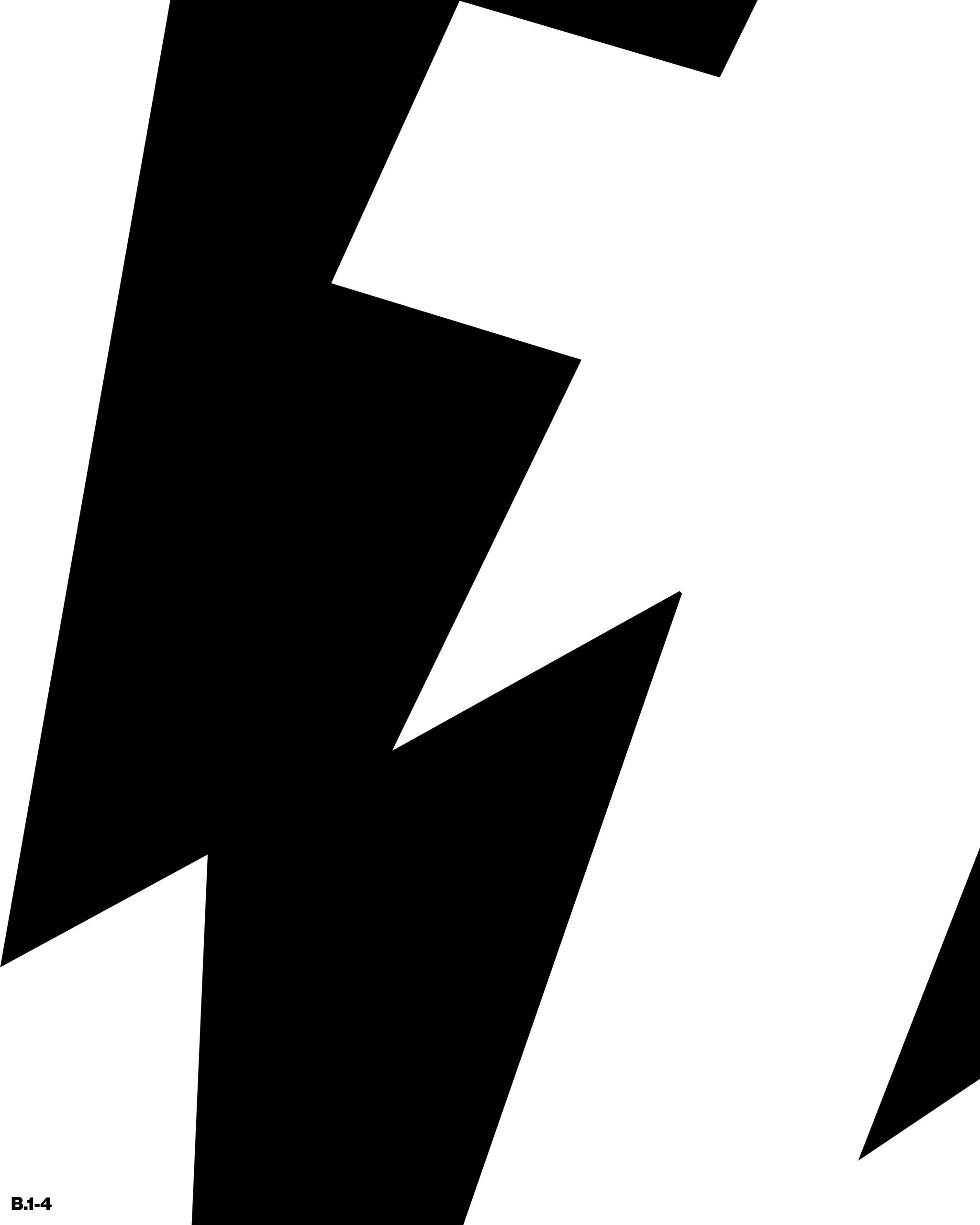
Can you say a few words about the two series?
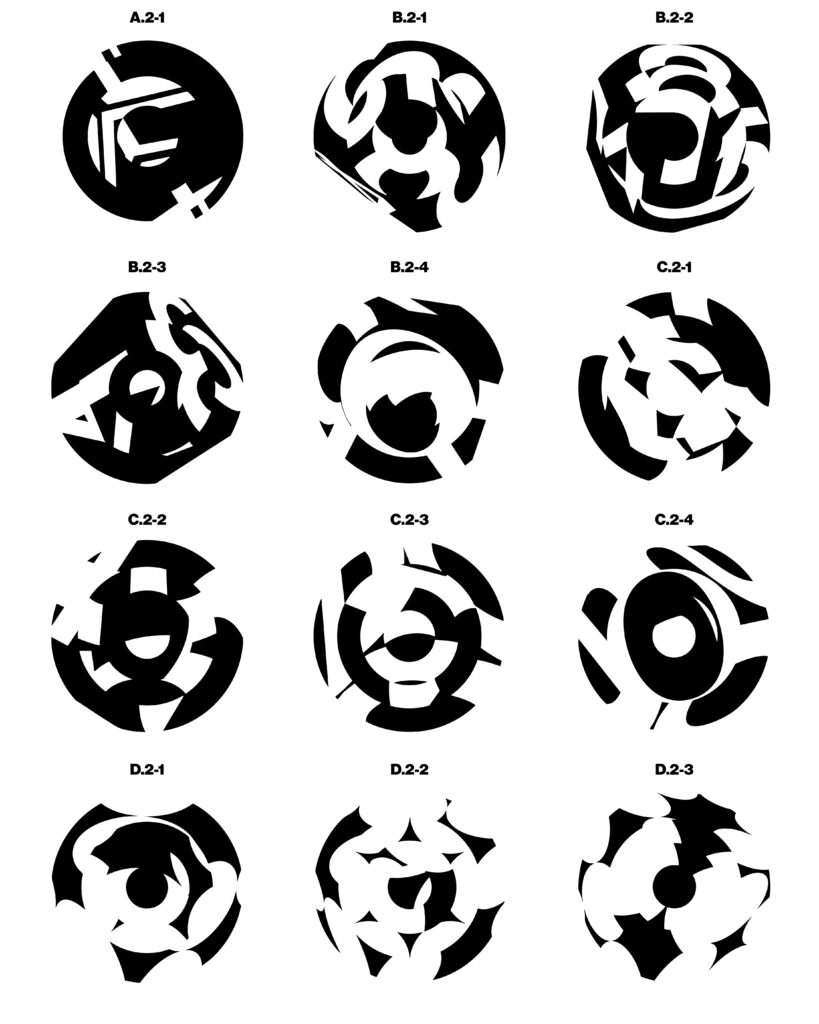
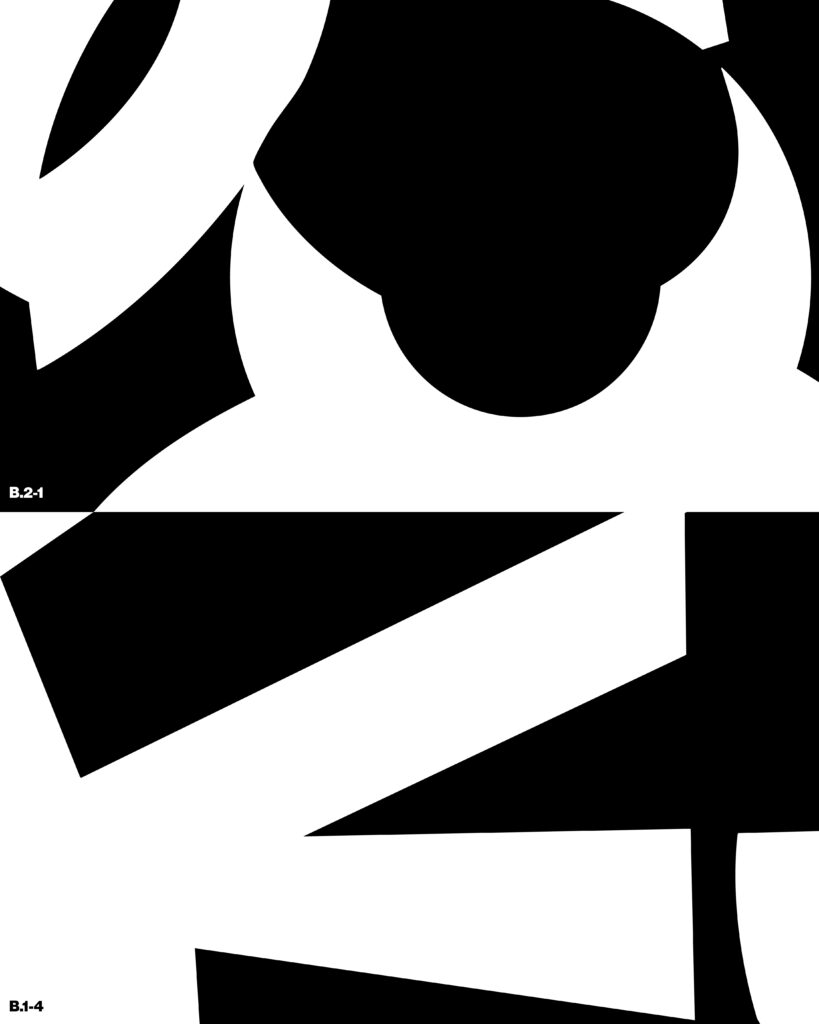
The two series I created were based on the idea of generating shapes from the rotation of a 3D cube. I placed this animation — my input — inside a 2×2 square grid, which created a fragmented movement: each square in the grid started the loop half a second later, creating a delay that made the visuals more dynamic and interesting. Then I experimented with cubes that had different faces to increase the variety of forms.
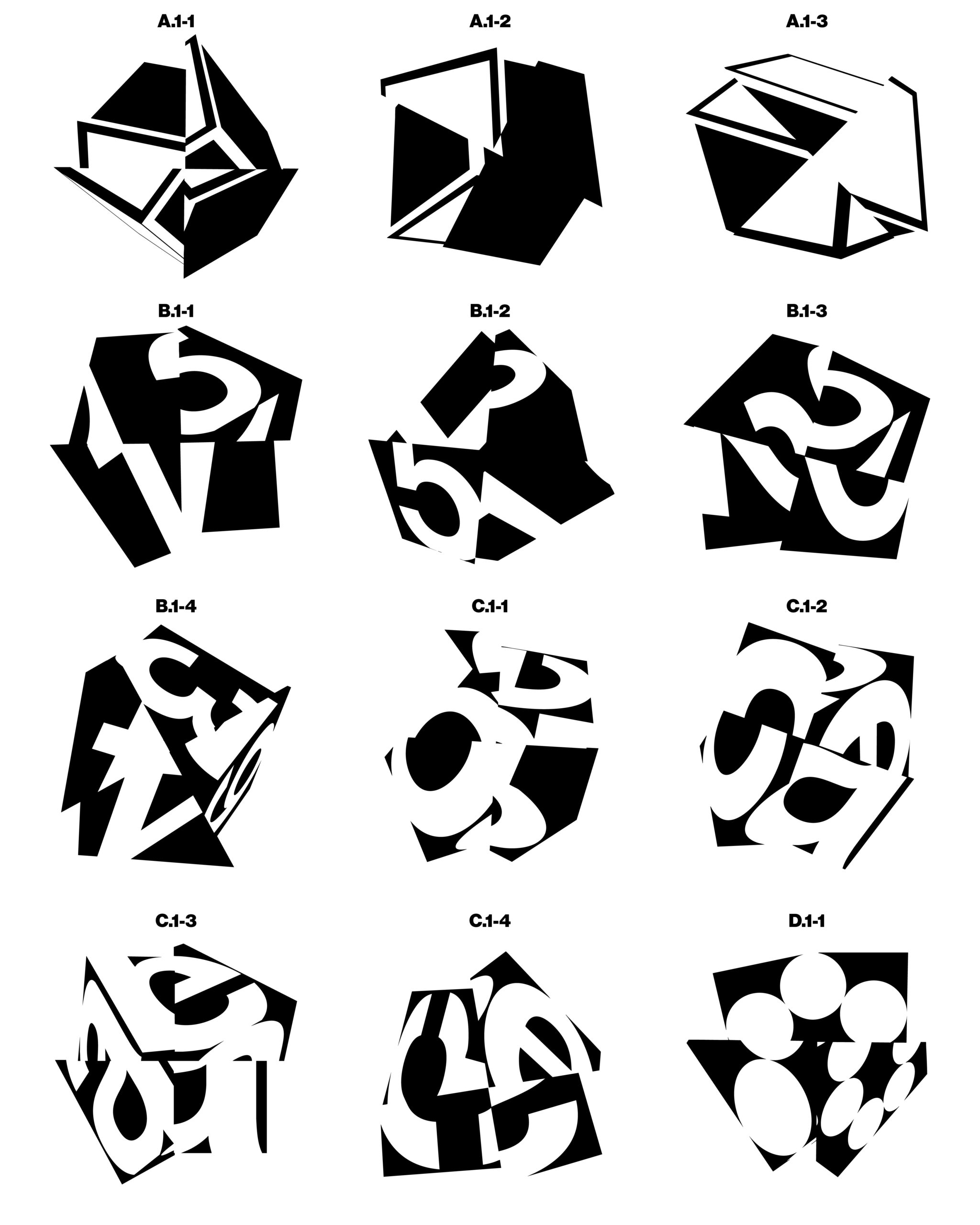
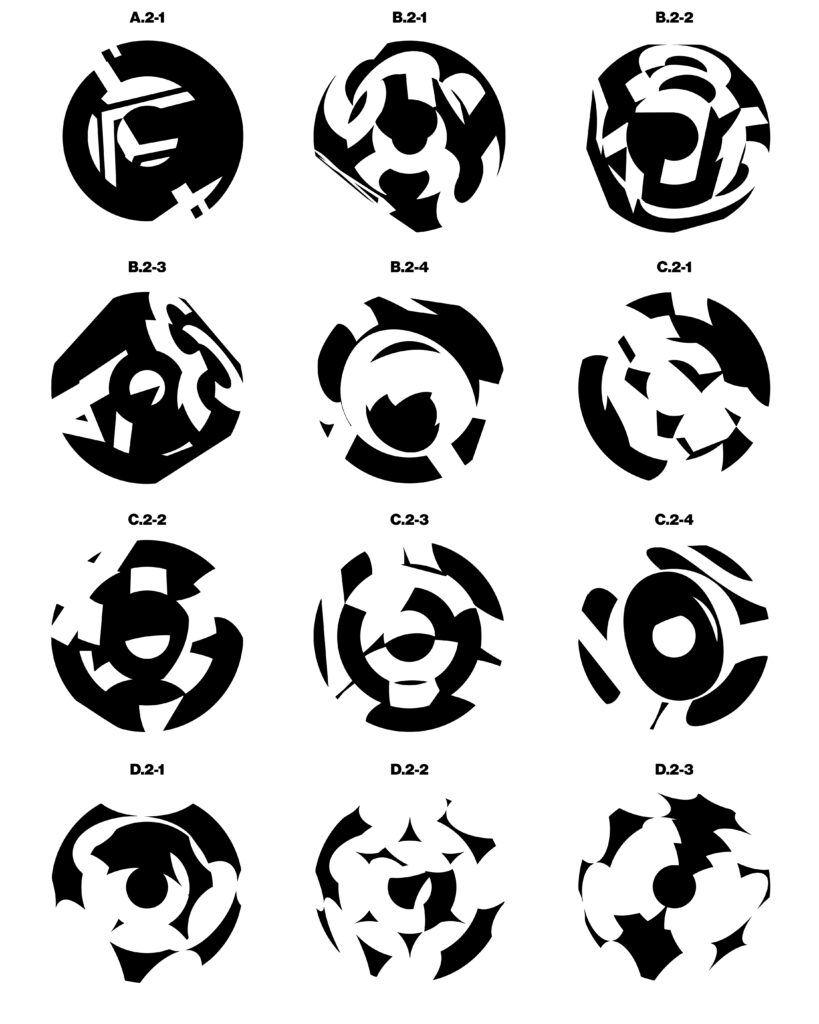
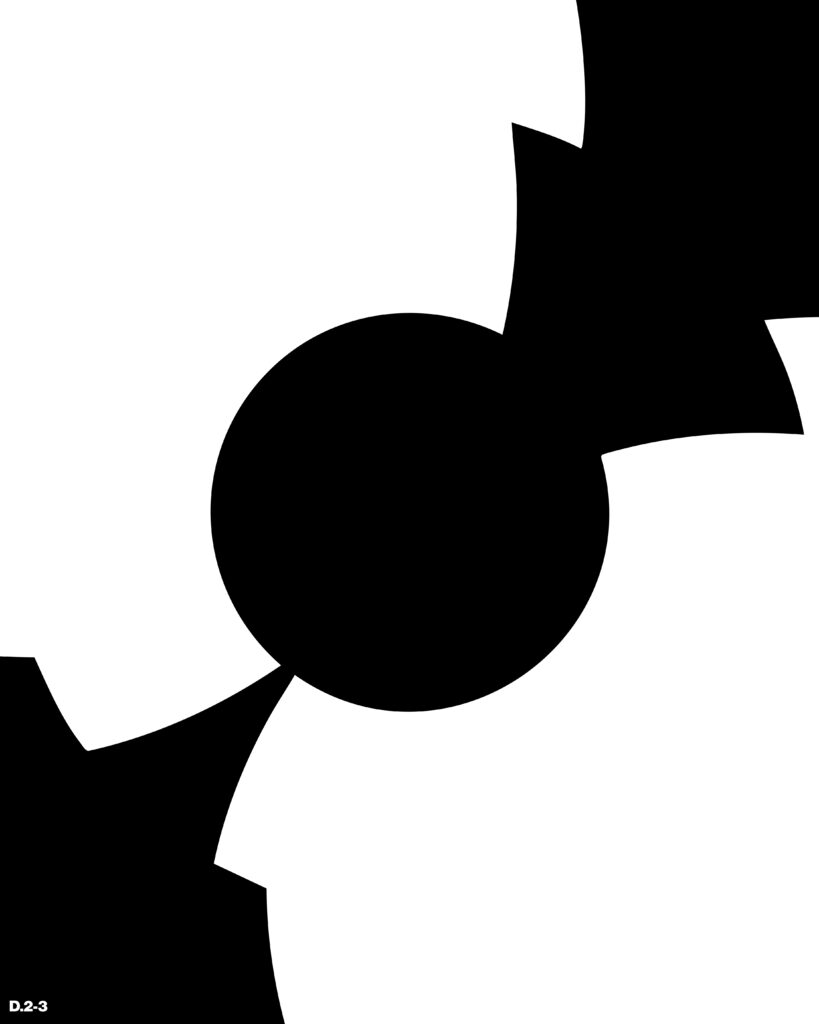
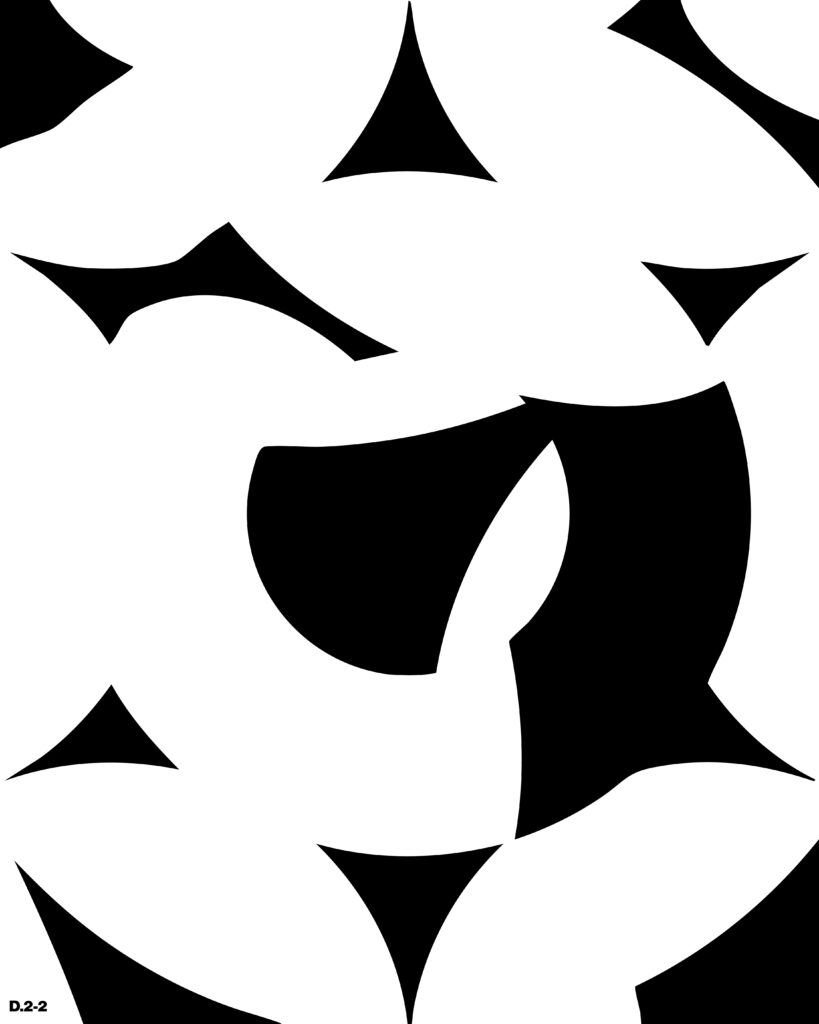
I applied the same process to a circular grid, dividing the input into four concentric rings. Each segment of the loop started with a slight delay, following the same principle of offset and unpredictability.
These two series showed me how the transformation-based system offers almost endless creative possibilities. Even with simple structures, you can get very different results — for example, by changing the cube’s faces, replacing typography with photos, you can create completely new visual effects.
The best part is exactly that: not knowing what the final result will be and discovering it through experimentation!