INTERVIEW
Will Mower
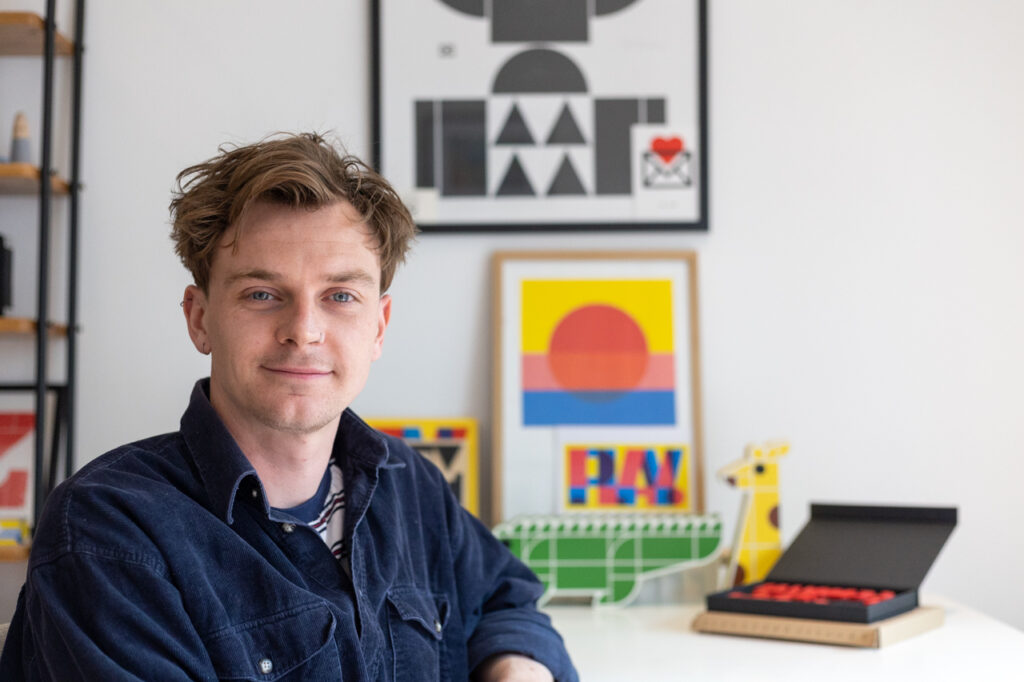
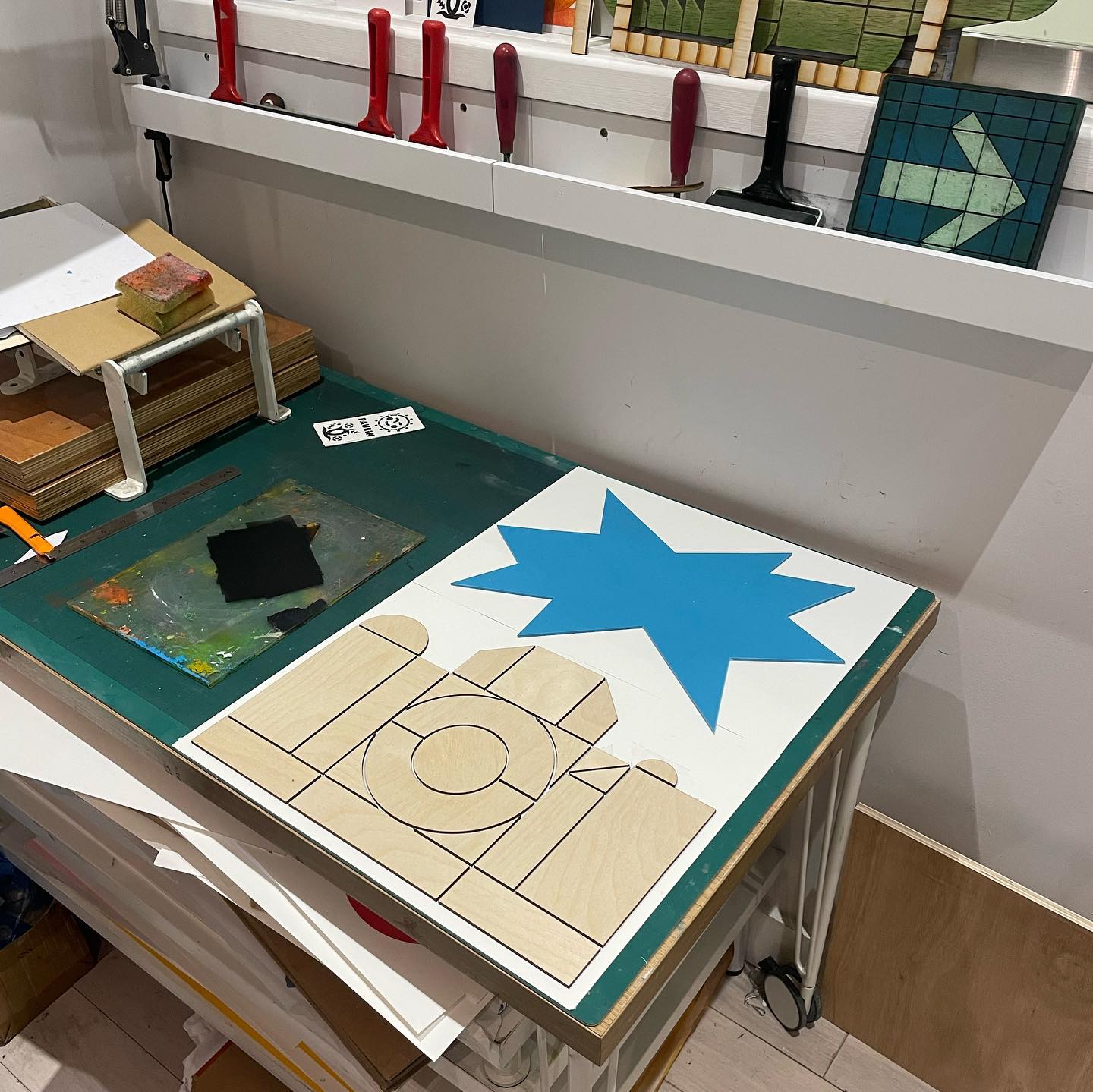
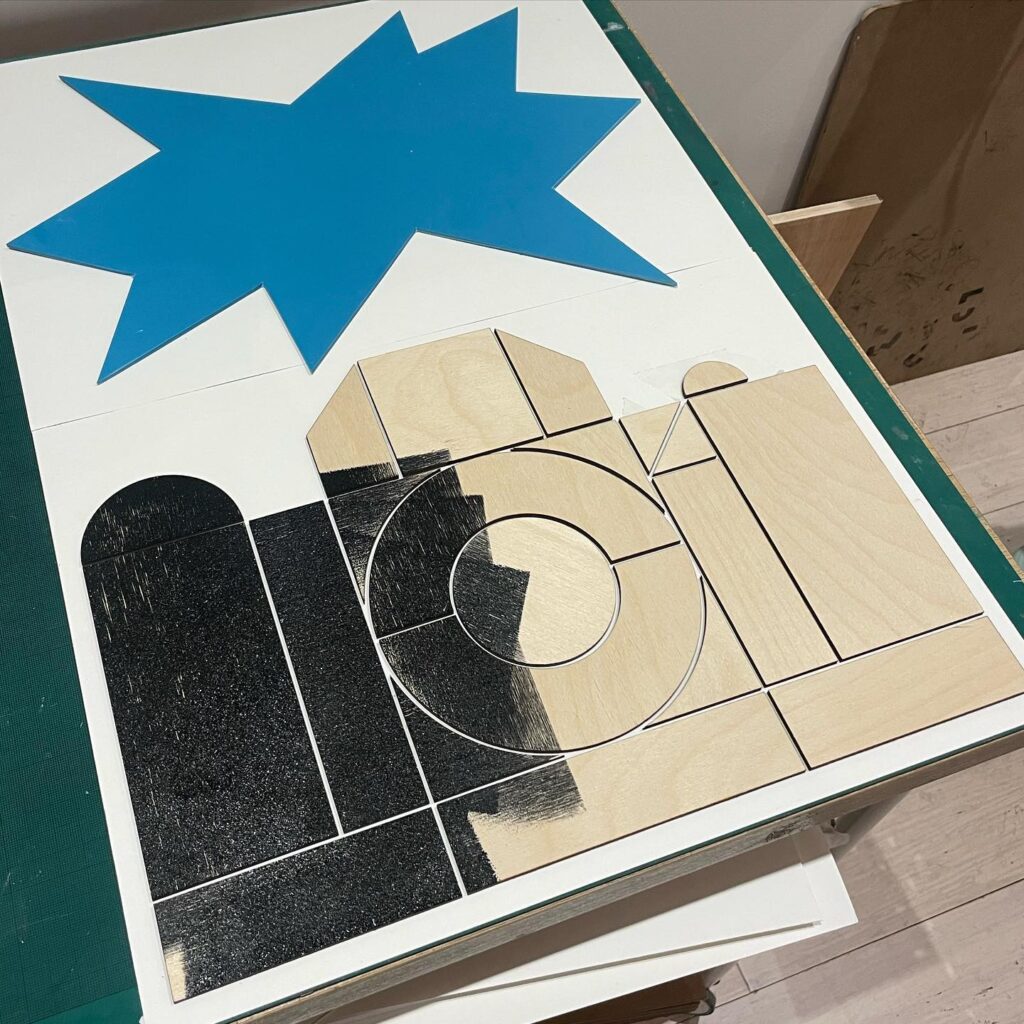
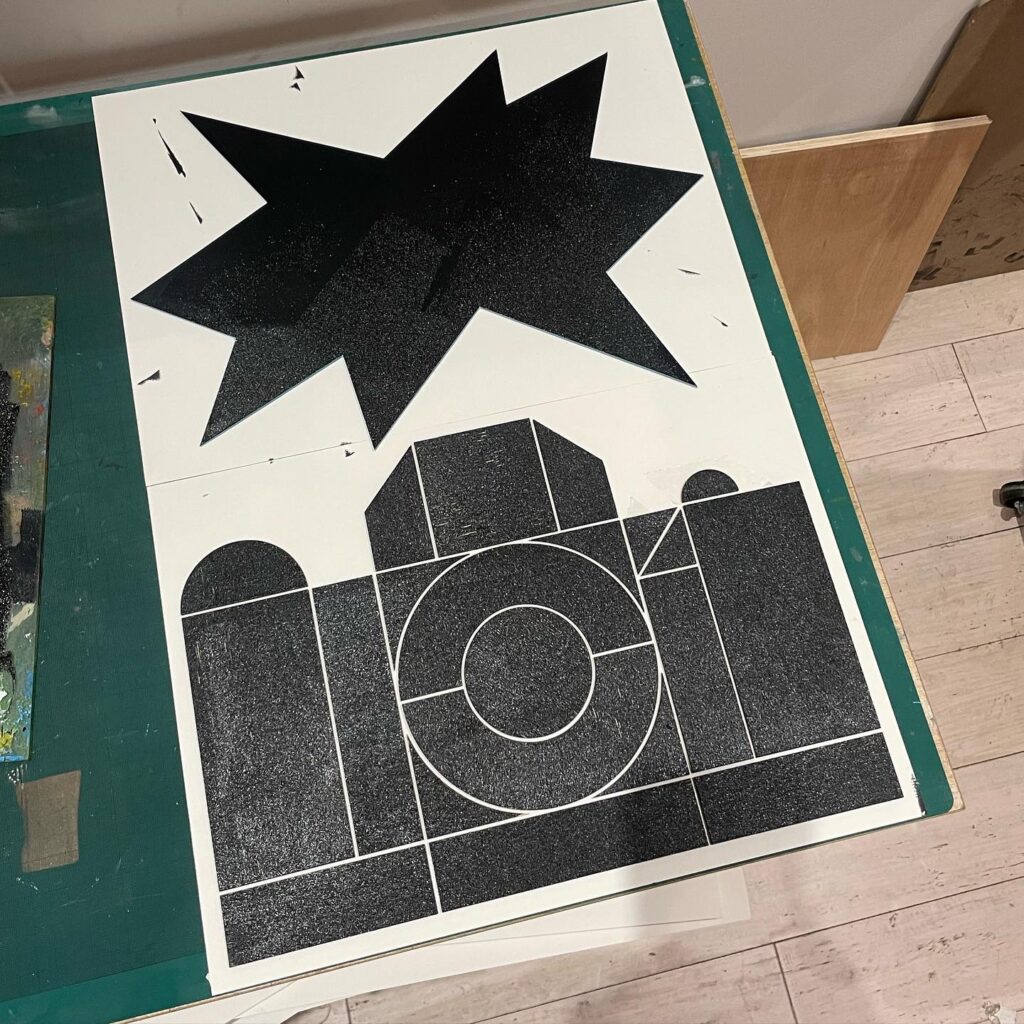
Exploring the space between structure and improvisation, Will Mower is an artist, designer, and educator who builds modular visual systems from simple geometric forms. His toolkit-based approach spans printmaking, physical objects, ceramics, and digital environments, using play and deliberate constraints to uncover unexpected outcomes. Inspired by the logic of early pixel art and the “show-your-work” style of directors like Michel Gondry, Will creates tactile, human systems that don’t hide their cogs, but rather reveal exactly how the imagery was constructed. In this conversation, we talk about his creative trajectory, the challenge of keeping a structured system from becoming too predictable, and what he has planned for his upcoming image-making workshop at the School of Systems.
Martin: Hi Will, it’s a pleasure to interview you finally. I have been following your work for many years. It is a beautiful mix of type and illustration, geometric shapes and organic textures, very systematic, yet so human and playful. Can you tell me a bit about your trajectory? What were your key inspirations leading you to the work you are doing today?
Will: Thanks Martin! Likewise – I discovered your work through the launch of the Flexible Visual Systems book and have been interested in your work ever since so it’s great to have a chance to chat.
In terms of how I ended up making the things I make, I think the inspiration comes from a couple of different places. I made a lot of work exploring play during my time at university and that interest definitely led me to working in the way I do now but there’s also a lot of less obvious influences. I was a big fan of pixel-based adventure games when I was growing up and used to like to draw pixel art in MSpaint. I liked how the size of the pixels meant you had to simplify everything down to basic elements. Whilst it’s not exactly a system, there’s still a sort of grid-like logic underlying it. I was also a big fan of directors like Michael Gondry and Spike Jonze (particularly his music videos) and I was particularly drawn to their approach to creating visual effects. To me it always felt like they weren’t trying to ‘hide the strings’, instead it felt like they always left enough information in that it revealed something about how the thing had been made. I used to find that really exciting and it gave me lots of ideas for how I could potentially make things. I think there’s a bit of that in the way I create work. I like systems because they reveal something about the creative process which is very pleasing to me, they’re not trying to hide the cogs but almost show them off.
Martin: Let’s talk systems. What are systems to you? Where do we find them? How can they be helpful?
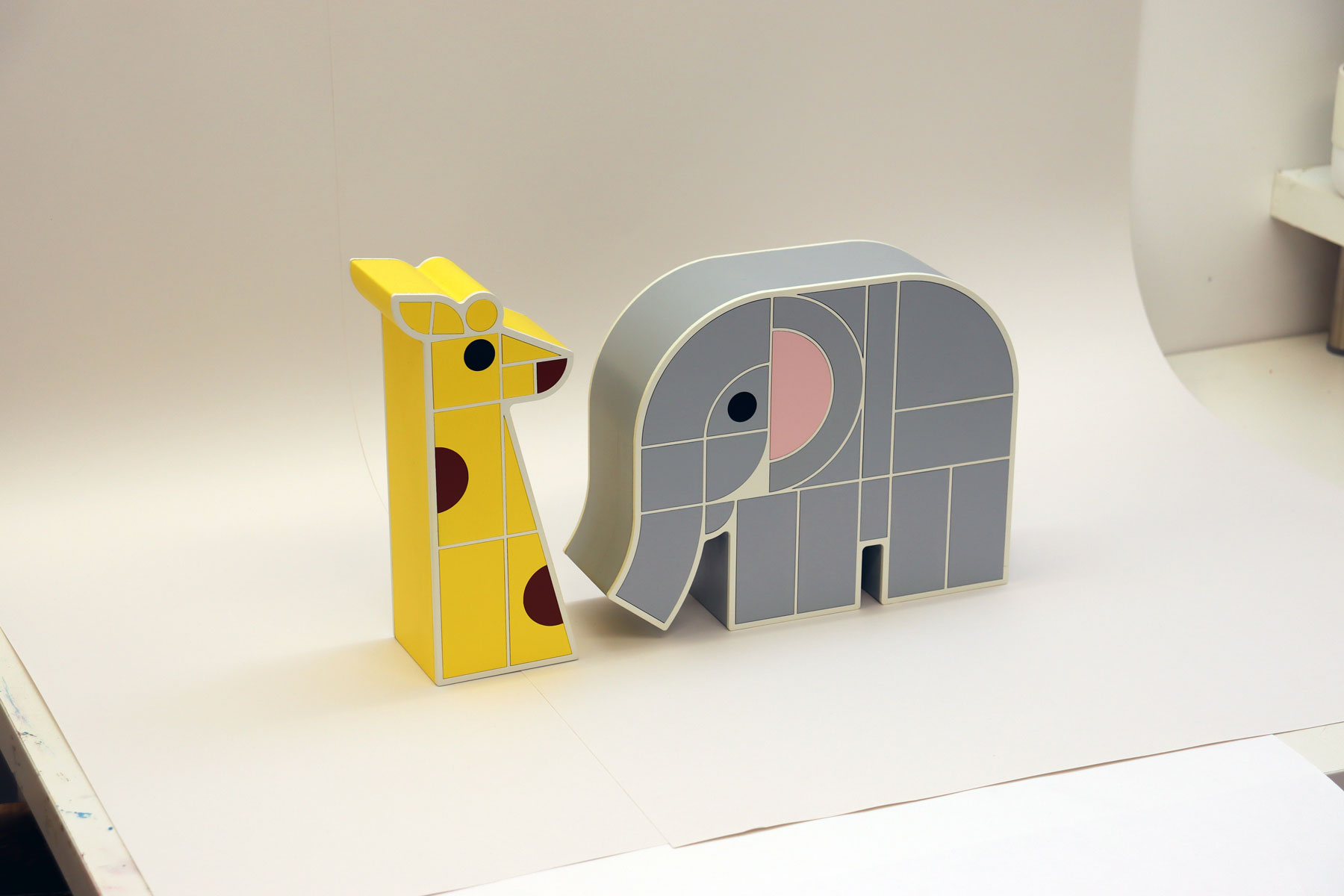
Will: I think systems give structure to ideas. I don’t think they always have to be very rigid. I think language is just as much of an example of a system as a specific tool-kit of forms but however strict or open-ended, I think they help to define the boundaries in which ideas can then bounce around. For me that’s important because I think restrictions allow for more interesting ideas and creating a system or a tool-kit or a set of rules, however it’s defined, is a way to set the parameters of the creative play experience. It works like a game – these are the rules you have to follow so how do you create outcomes within these rules.
Martin: What are the challenges you encountered working with systems? Which ways did you find to deal with these problems?
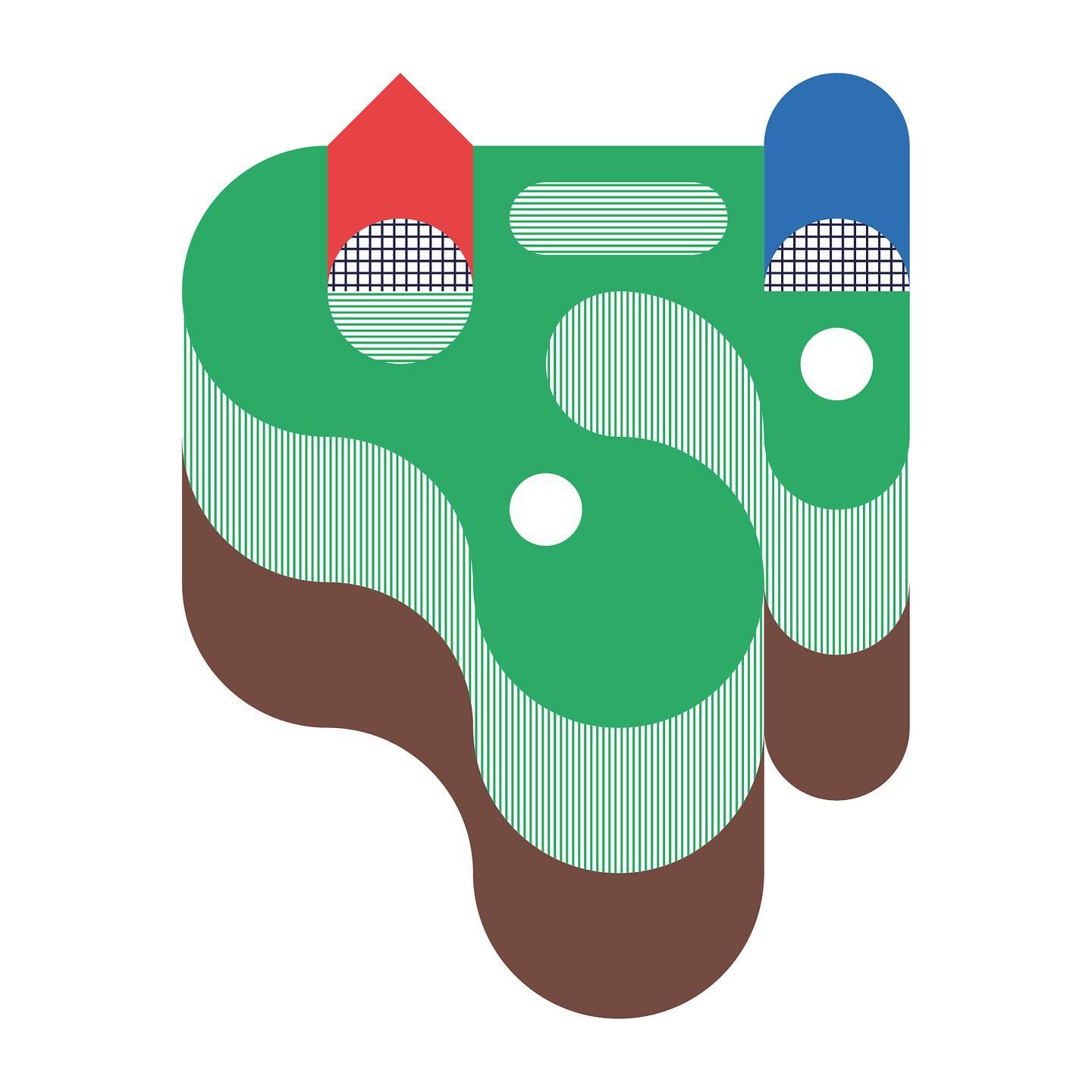
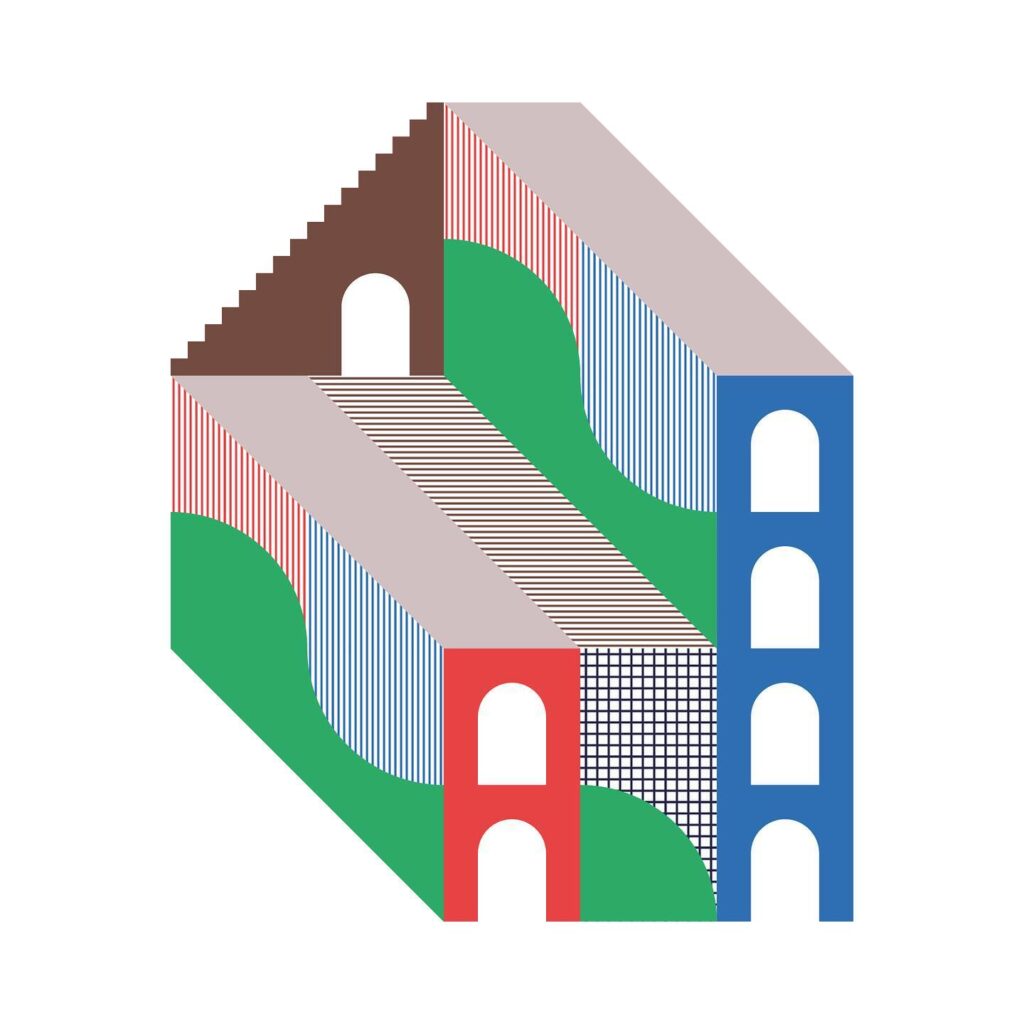
Will: One of the main challenges is avoiding the system becoming too fixed. A system can be incredibly useful for giving a project coherence, but if the rules become too rigid the work can start to feel predictable or overly mechanical. I’ve found that the most successful systems are the ones that have enough structure to provide direction, but enough flexibility to allow for improvisation and surprise.
Another challenge is knowing when to stop refining the system and start making work with it. It’s easy to become absorbed in adjusting the rules, shapes or parameters instead of allowing the system to generate outcomes. To deal with this, I try to treat the system as a tool rather than the final artwork. Once the framework is established, I move into a more playful testing phase where I make variations, respond to unexpected results and let the process influence the direction of the work.
I also think it helps to revisit the original purpose of the system. If the framework is preventing the work from evolving, then I’m comfortable adapting or even breaking the rules. For me, systems are most valuable when they remain responsive rather than becoming fixed formulas.
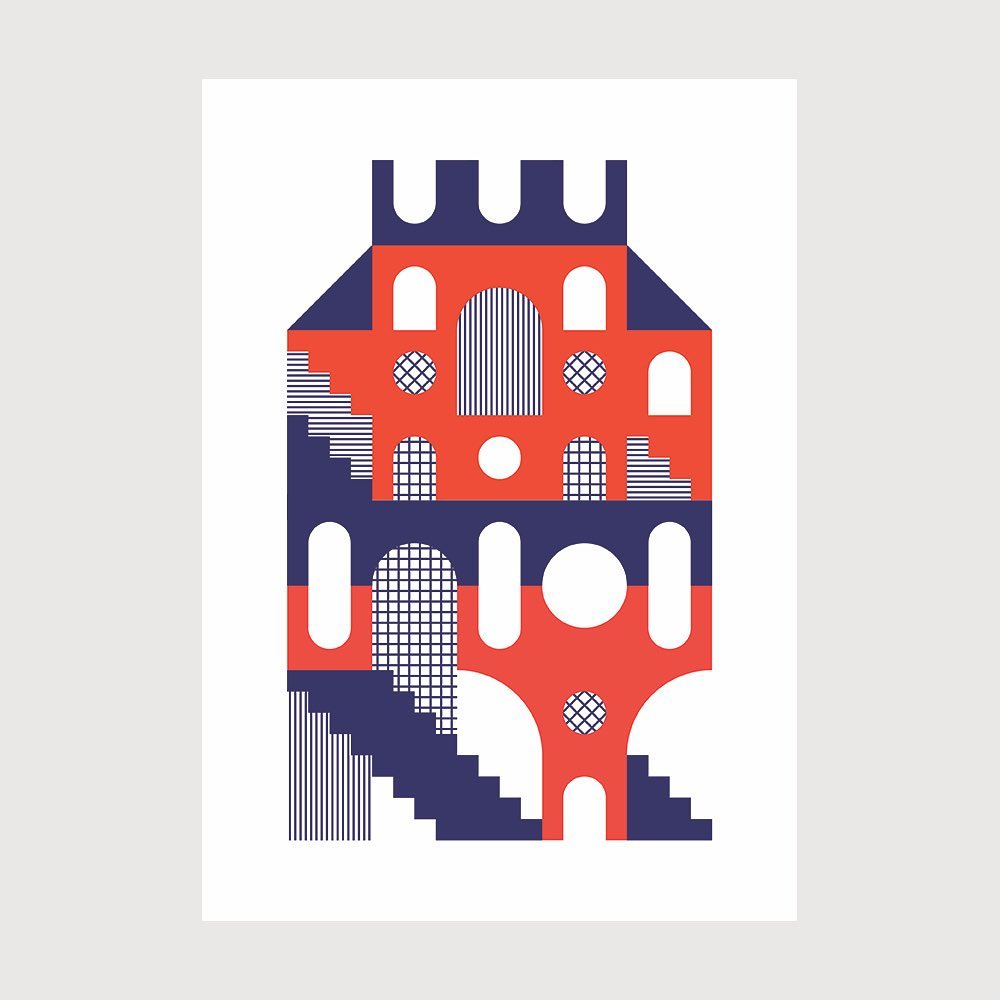
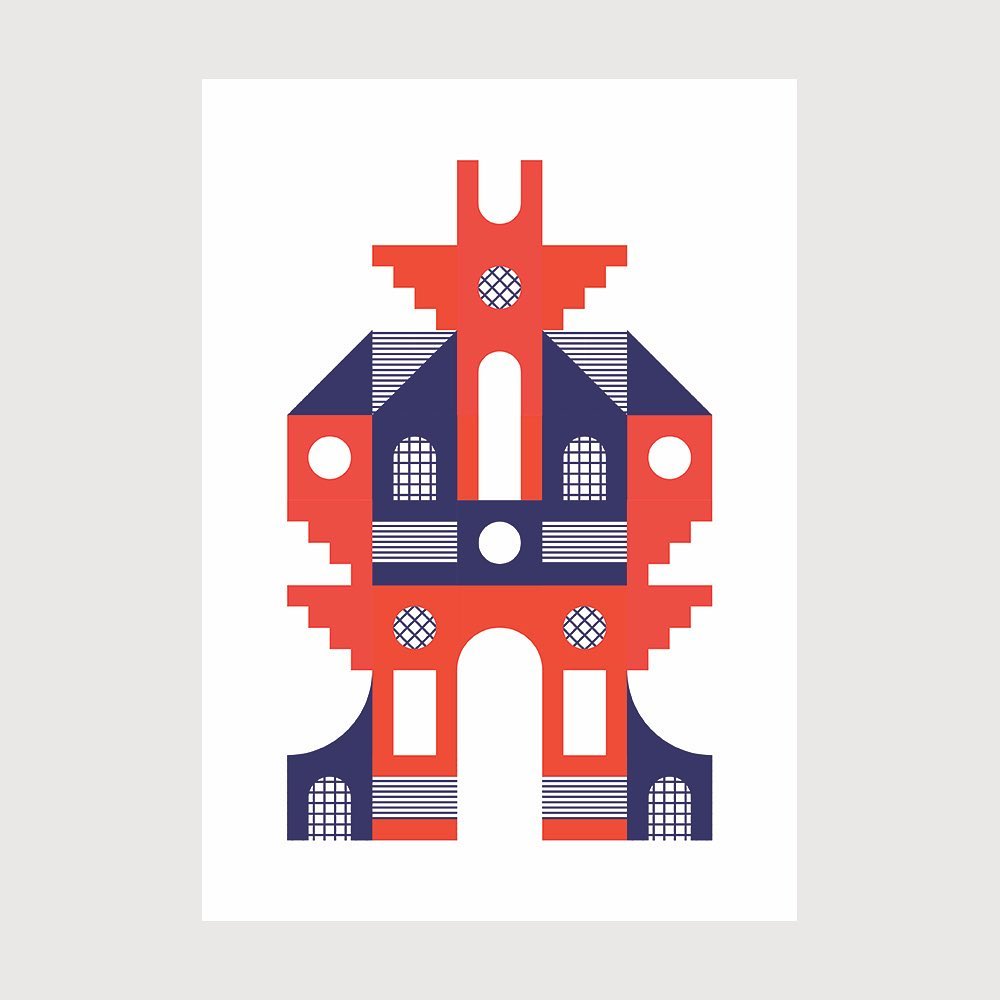
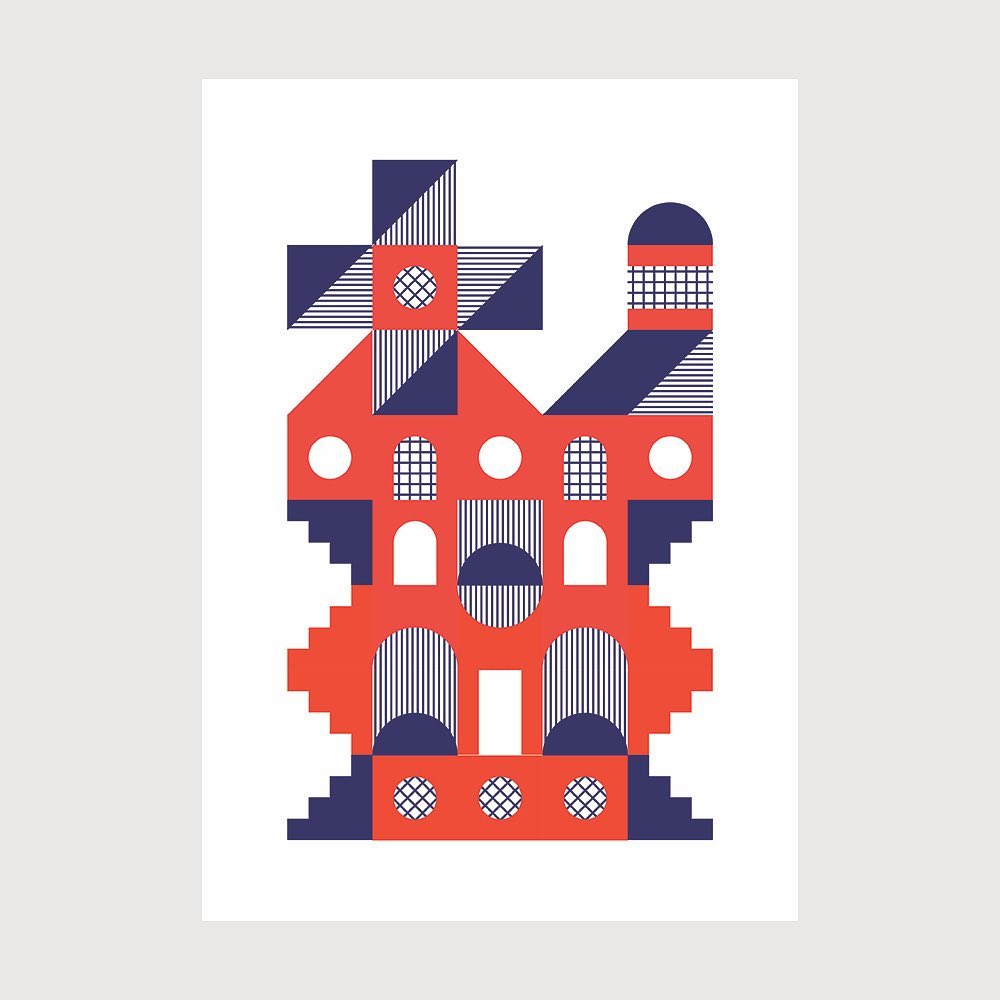
Martin: How can learning about illustration systems can help people professionally? Apart from making their job a thousand times more fun.
Will: Firstly, learning about illustration systems helps to unify an image set and establish a clear identity across a series of images. This connects closely with approaches to brand styling and the development of visual guidelines, which can be applied across a wide range of commercial creative work.
More importantly, I think it offers a way of thinking that has very practical applications. I often use LEGO as an example: if you give someone a pen and ask them to draw something, the possibilities can feel so broad that the task becomes a little daunting. If you give someone a set of LEGO bricks and ask them to make something with it, the framework is already in place, allowing them to focus on the act of making.
I think learning to build visual systems can actually broaden creative outcomes, because the rules are defined first. Once those parameters are in place, they can free you up to focus on experimentation, problem-solving and the more imaginative side of the creative process.
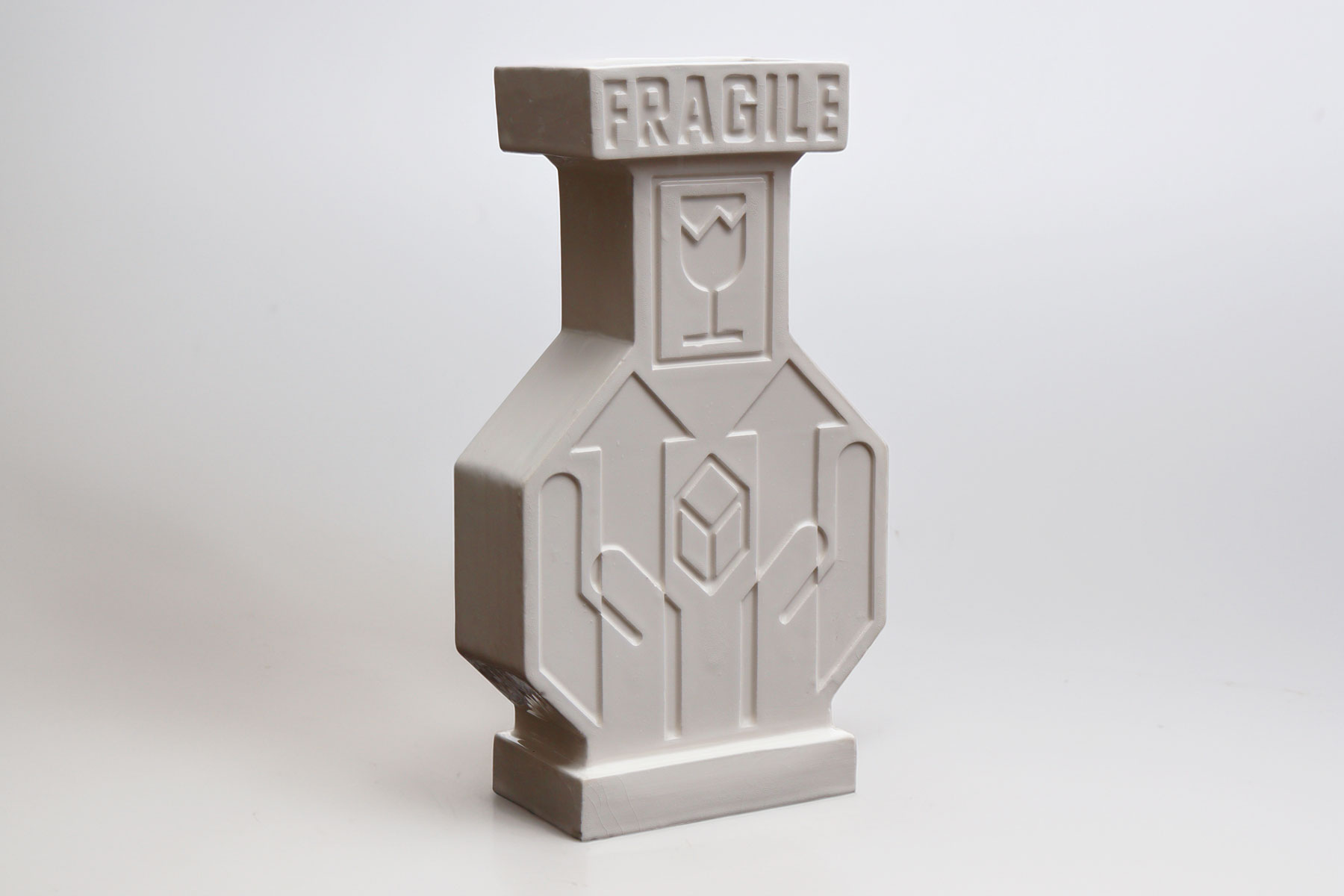
Martin: I am so hyped that you will be giving a workshop at the School of Systems. Can you tell me a bit about it?
Will: Same! I’m so excited to share my approaching to making things and see what everyone comes up with – I always find it interesting running workshops as you see people approach the idea from so many different angles and create things I would never think of!
I’ll start by introducing the world of systems in illustration and image-making and offer a bit of an introduction to my own work too. Then we’ll get into the good stuff! We’ll start with some pre-made systems to explore what you can do with some basic shapes and then some more developed forms, as well as what happens when you start chucking new rules in. Then we’ll all start work on our own system based on a theme. They’ll be a chance to road-test each other’s systems and feedback on what works and what doesn’t so everyone can leave with some new skills and an image-making tool-kit they’ve designed.

Martin: This sounds fun. Do you have any ideas about what you would do if you had more time? What could you do with the participants in a six-week-long course?
Will: Definitely – the workshop is designed as an introduction, but a longer course would mean we shift from exploring how to create a single system to building a whole world around an idea.
It would also be an opportunity to introduce different applications – I’d love to explore creative coding and animated outcomes – as well as thinking about how the system can be applied in a wider context. I’d also build in time for peer feedback, collaboration and iteration, so that everyone could learn from the different ways people interpret and extend their own frameworks.
By the end of the six weeks, I’d hope everyone would have developed a distinctive visual system and a body of work that demonstrates how it can generate multiple outcomes. More importantly, I’d want them to leave with a method for approaching future creative projects – starting with a clear framework, then using play, experimentation and constraint to discover unexpected directions.
Thank you so much, Will!
If this interview made you curious, have a look at Will’s workshop at the School of Systems, and yes, he will teach a six-session course too. We have limited the number of participants to 15, so don’t wait too long to sign up.