INTERVIEW
Menno de Bruijn
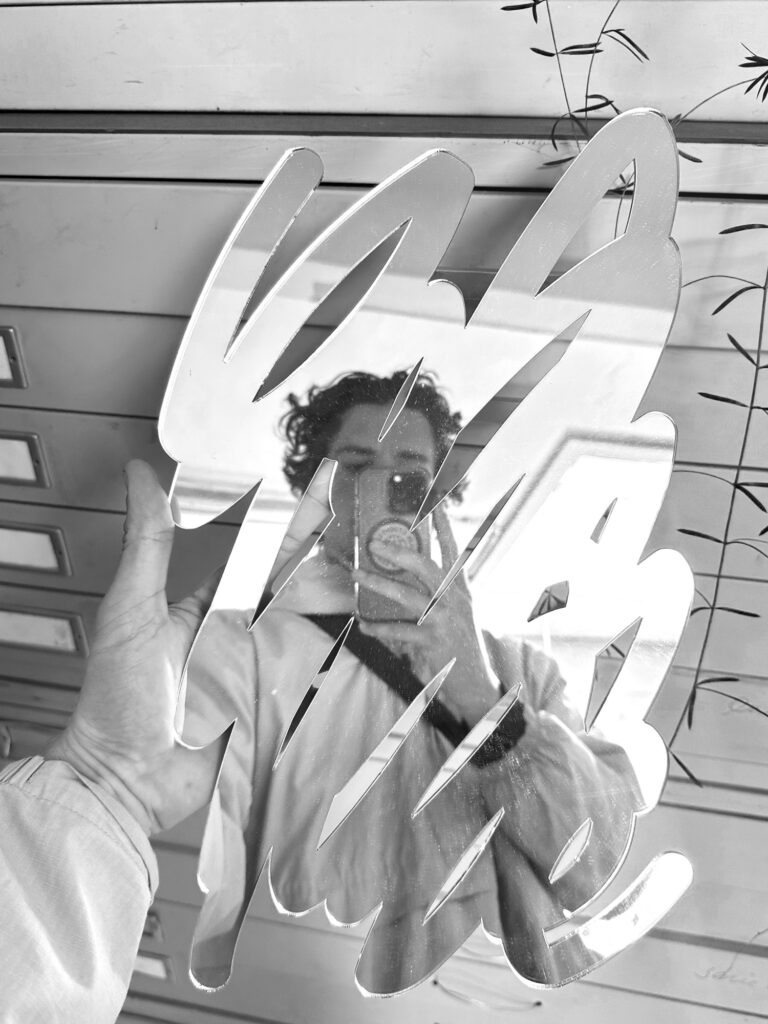
Based in The Hague, Menno de Bruijn is the co-founder of Lennarts & De Bruijn, a post-multidisciplinary, Dutch Design Award-winning creative studio known for making “big, bold, and beautiful things.” Since graduating from the Royal Academy of Art, The Hague (KABK), Menno and his creative partner Max Lennarts have established a reputation for their audacious, high-energy approach to visual identities, digital campaigns, and art direction for clients ranging from the Appelsap Festival to the Rijksmuseum Twenthe. He gained widespread international recognition for co-launching Stay Sane Stay Safe, a viral, pandemic-era poster initiative that was celebrated globally by outlets like The Guardian for its uplifting community impact and design solidarity. In this interview, we connect with Menno to discuss the studio’s signature “boldness and balls” philosophy, his knack for bridging commercial branding with grassroots creative initiatives, and what it takes to design striking visual narratives that instantly demand attention.
Martin: Hi Menno, we have known each other for quite a while now. You invited us (as TwoPoints.Net) to be in Stay Sane Stay Safe, which started as a very organic, community-driven project. Did that experience change how you look at your day-to-day commercial client work, or do you keep those worlds pretty separate?
Menno: It wasn’t a change so much as a confirmation. SSSS proved something I’d felt before: self-initiated projects, made hands-on by a small team running on energy, enthusiasm and focus, work incredibly well. For me, they work best. When you’re responding to something actually happening in society, the work carries an urgency and impact that commercial work can’t guarantee. There’s also something freeing about not having to negotiate every decision. It puts you fully in your own power. So if anything shifted, it’s that I now want more of that autonomy and trust in commercial work too. But that needs ambition, budget and time to line up, and more often than not, we’re more ambitious than our clients have room to be.
Martin: Lennarts & De Bruijn have a reputation for being bold and fun. How do you keep that raw, playful energy alive when you have to fit a project into a structured design system?
Menno: I don’t think structure and playful energy cancel each other out. We push things as far as they’ll go in the sketch phase, and only then test whether that energy survives once it’s poured into a system.
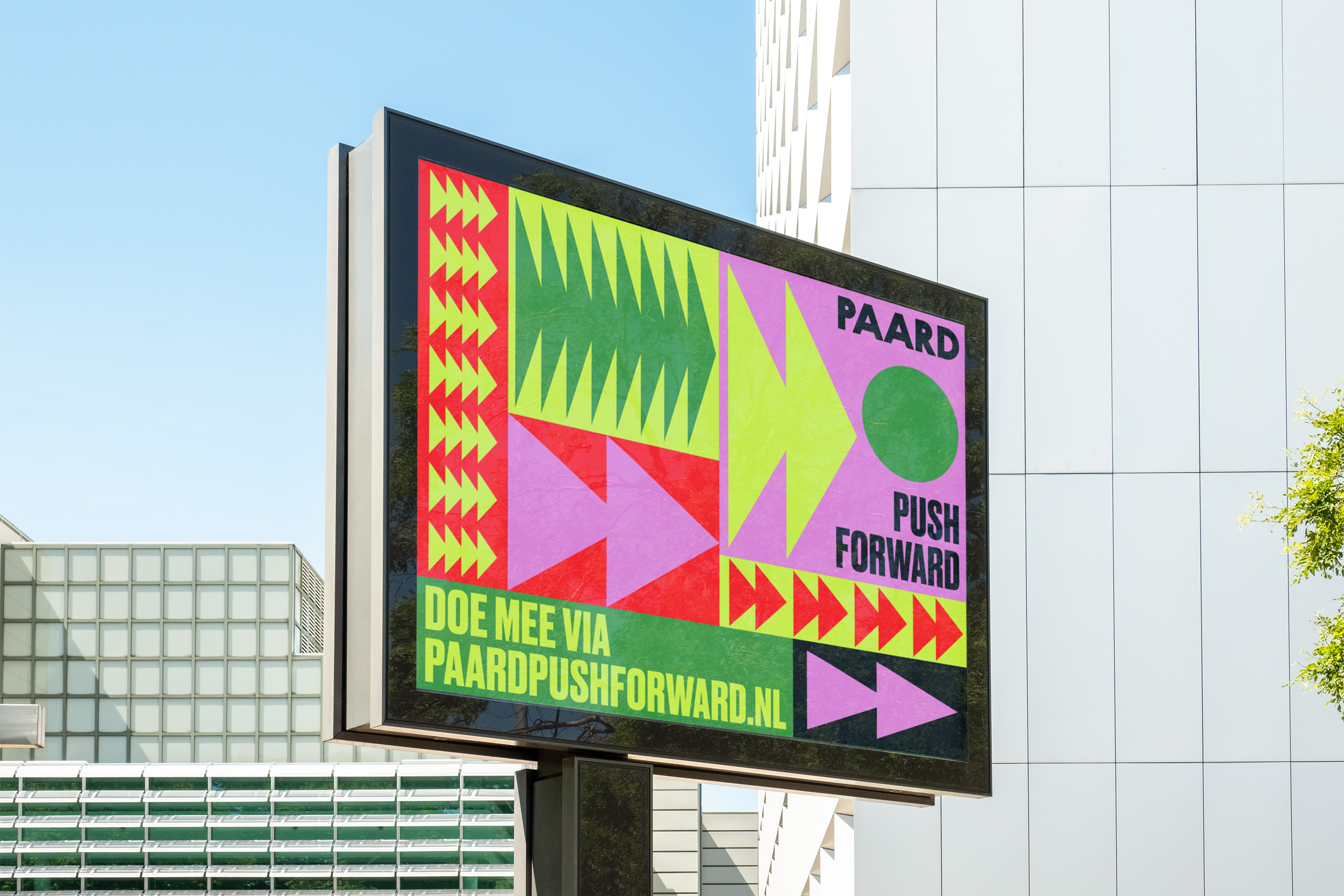
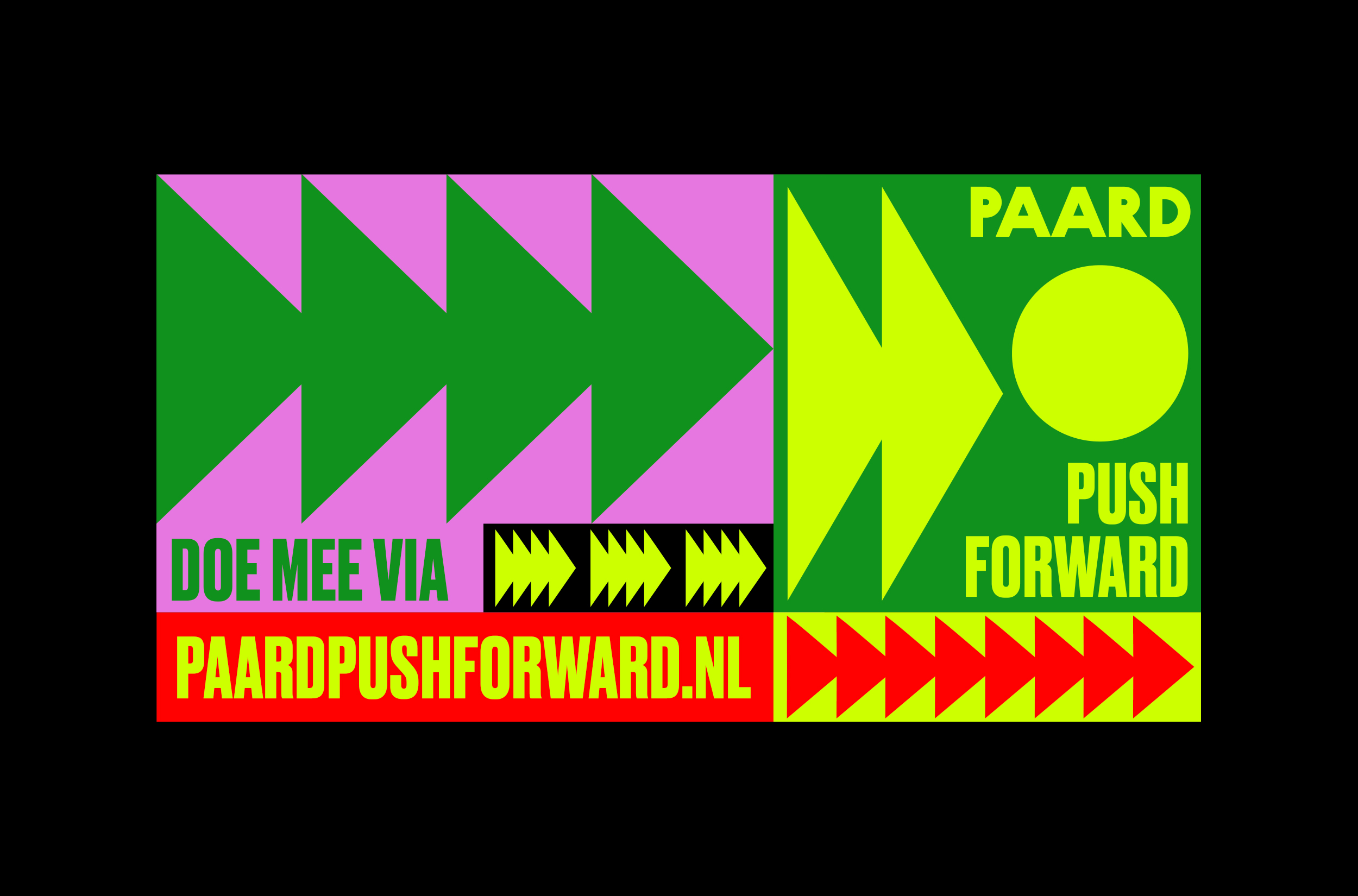
Martin: You and Max have worked together for a long time. How do your different approaches complement each other when you’re trying to strip a complex design problem down to its simplest concept?
Menno: My strength is the sketch and concept phase: experimenting fast, testing ideas, finding the starting point. Seeing the bigger picture, the red thread, spotting what has potential, that comes naturally to me. Max is the more technical one, and reaches for motion and interactivity early, where I tend to work statically at the start. The approaches complement each other. We inspire one another instead of competing.
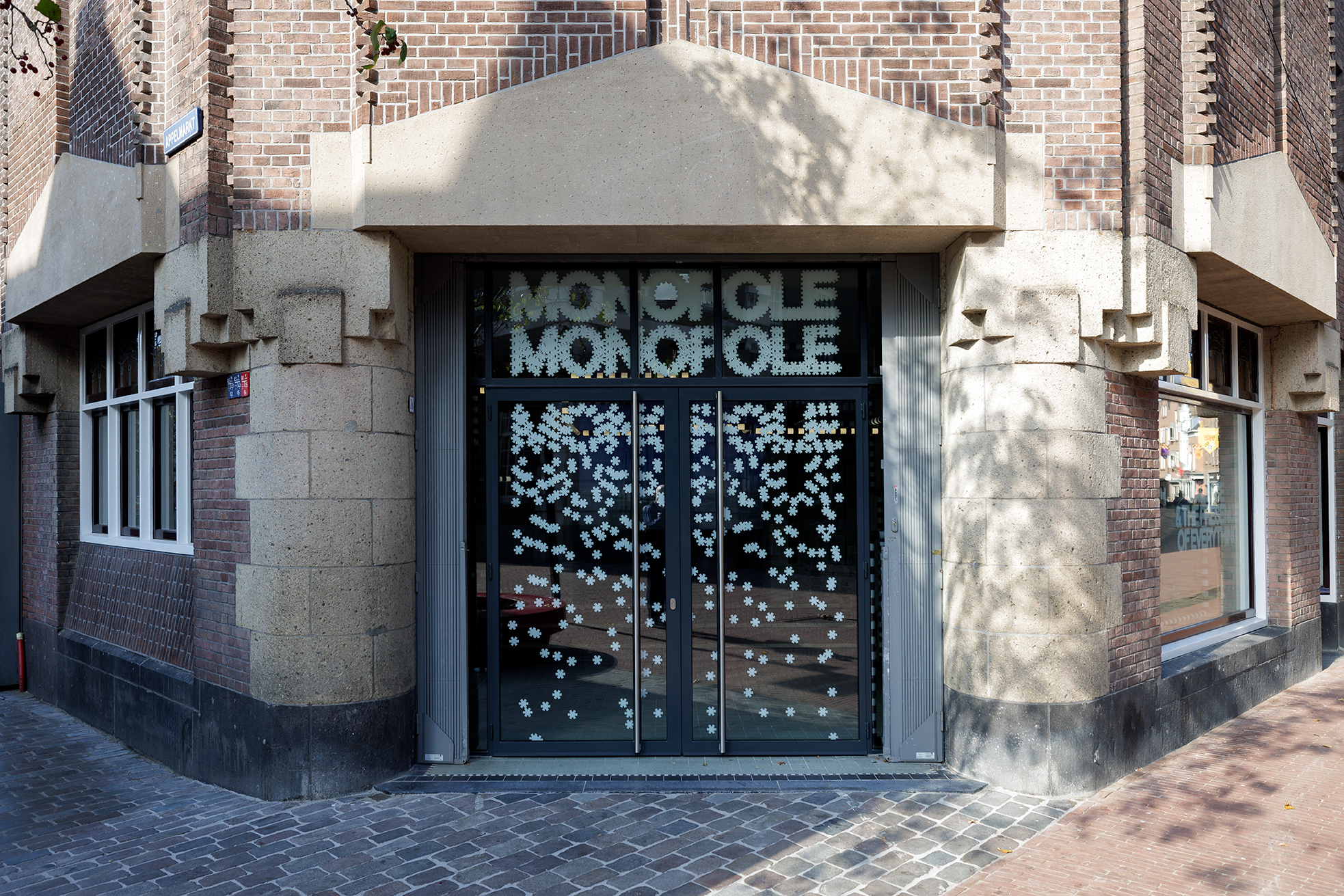
Martin: I am so happy that you will be teaching a workshop on motion identities for our School of Systems. How do you define a “motion identity” today, and how do we get students to think about movement as a core part of a system rather than just animating a static logo at the end?
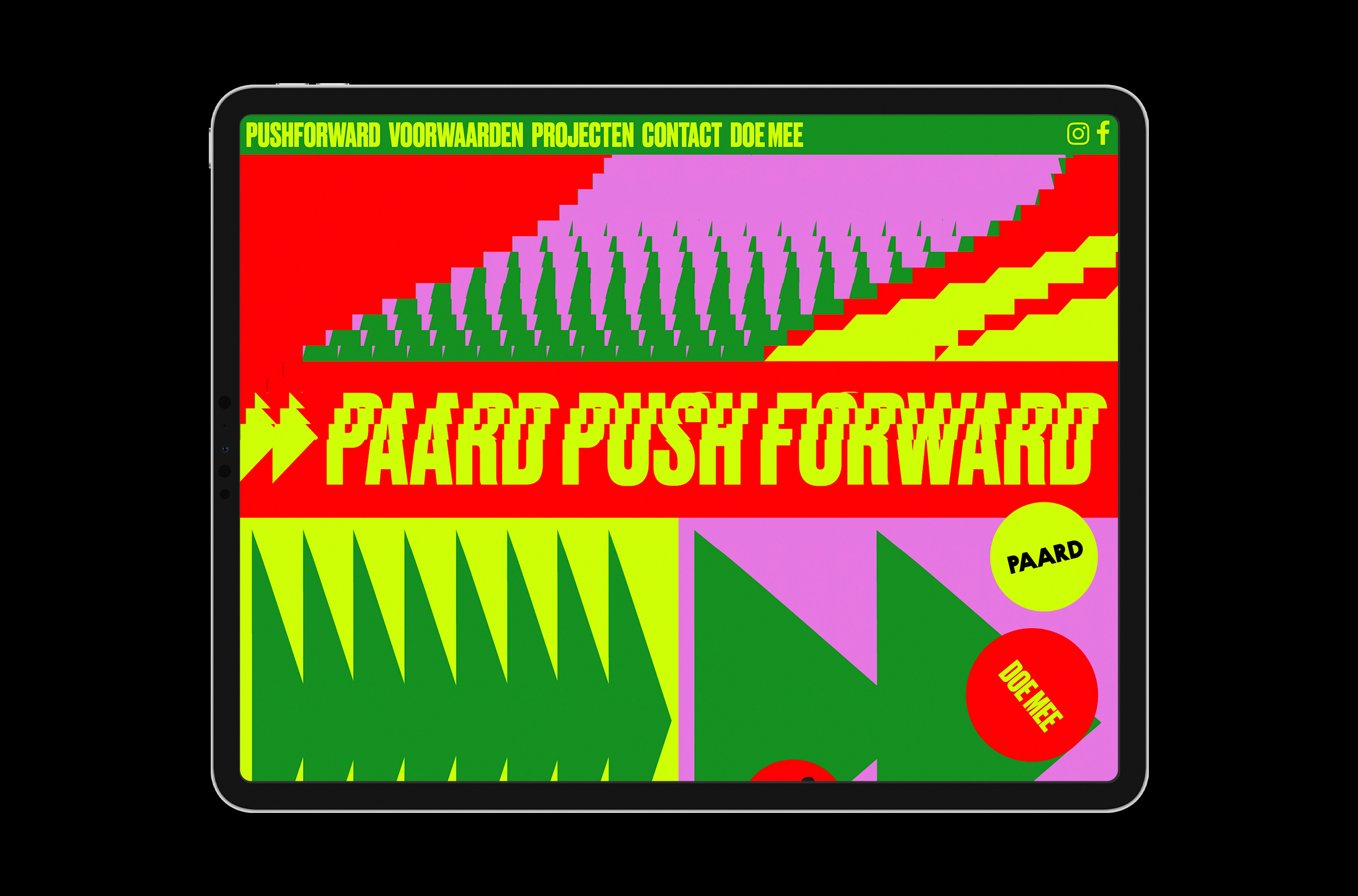
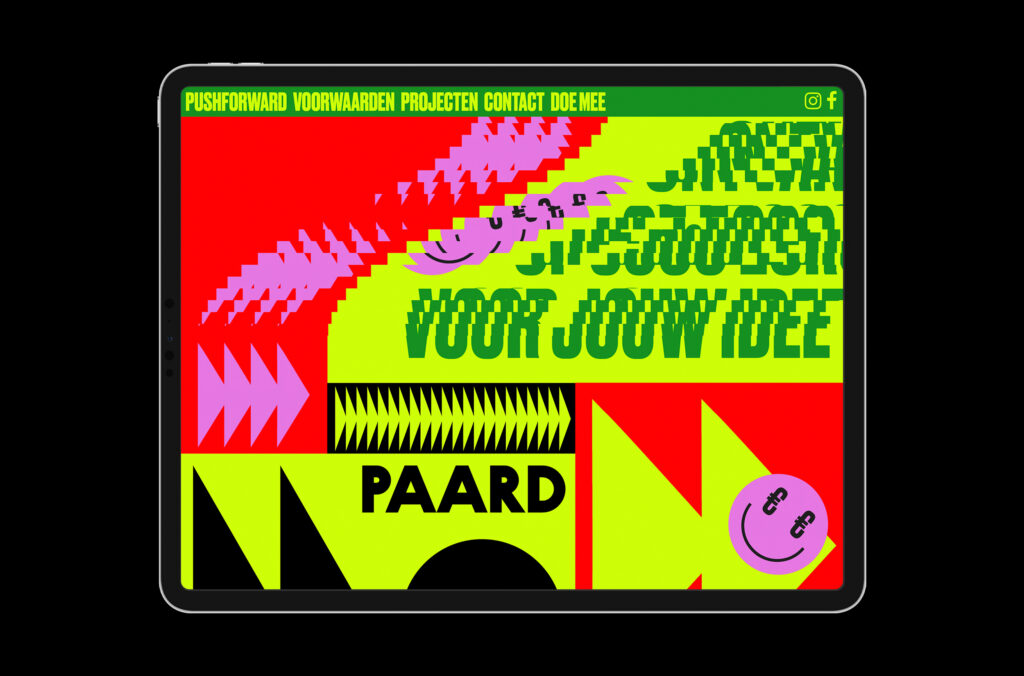
Menno: You’ve already put your finger on the shift of the last decade. Motion used to be an extra: an asset, a deliverable, a phase tacked on at the end. But a motion identity isn’t an animated logo; it’s a set of rules that hold up whether something moves or stands still. Pulling that thinking to the very start of a project is what turns motion and interactivity into a real pillar of an identity instead of an afterthought.
Martin: For the students coming to your upcoming workshop, what’s one traditional graphic design habit or rule you think they should unlearn before they start working with motion systems?
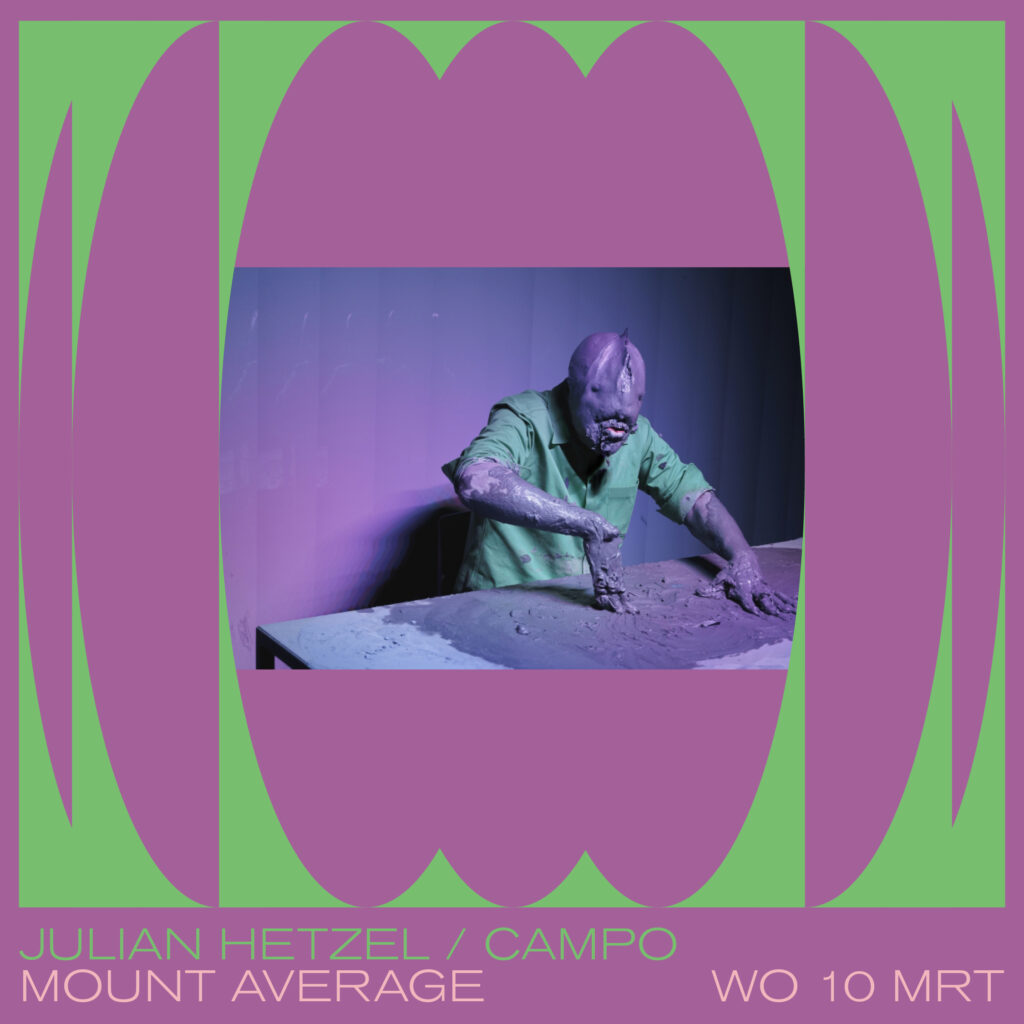
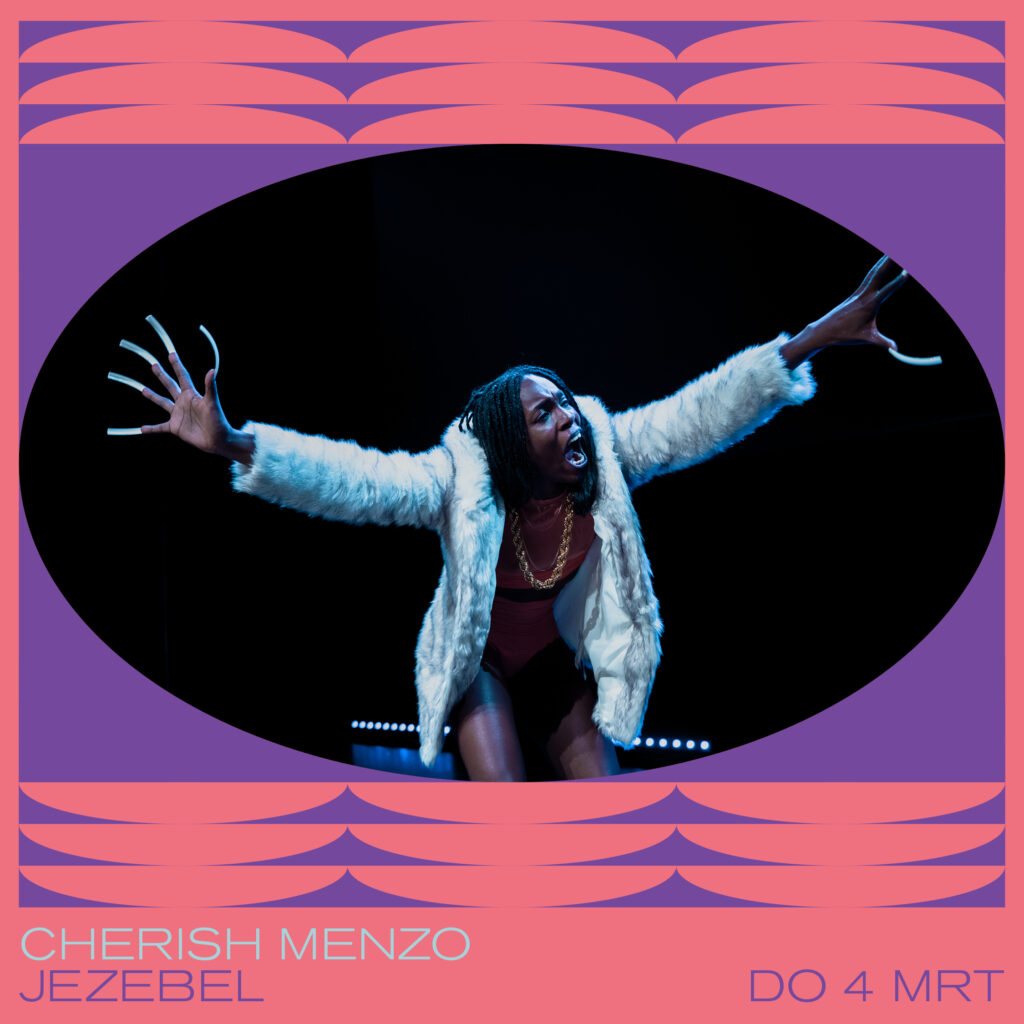
Menno: That the logo isn’t the cornerstone. Look at identities today and the static logo just isn’t that important anymore. It’s become what logo animations used to be, one deliverable among many. What matters now is a set of elements and behaviours that can perform in any context. Take our identity for Grand Theatre Groningen: the oval from the logo matters far more than the logo itself. We rarely use the logo, but we always use its ingredients.
Martin: If you were offering a six-session course as well, what would you make a deep dive into?
Menno: How to build a motion-first system from the ground up. I wouldn’t focus on software. The whole deep dive would be about the approach: how you define the rules a system lives by, then test and rebuild them until they hold up in the real world.
Thank you, Menno!
If this interview made you curious, have a look at Menno’s workshop at the School of Systems, and yes, he will teach a six-session course too. We have limited the number of participants to 15, so don’t wait too long to sign up.