INTERVIEW
Joan Ramon Pastor aka Wete
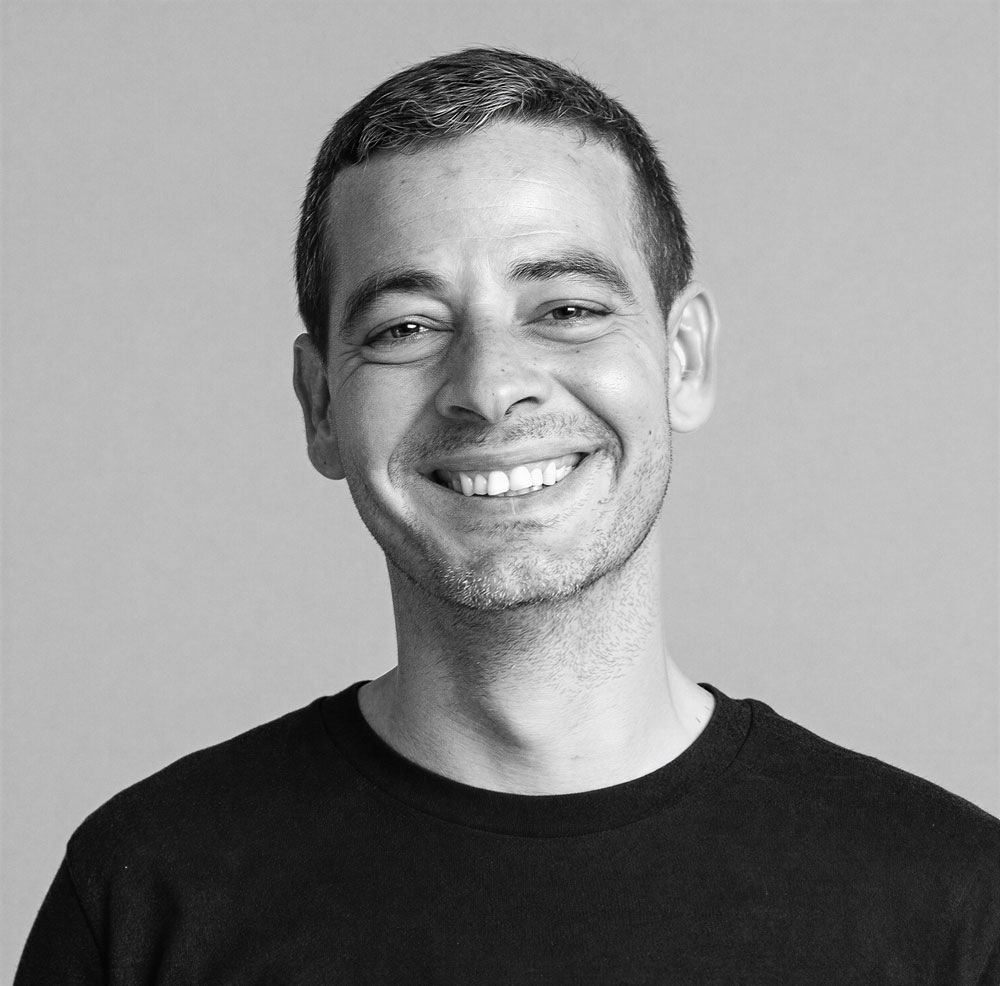
Joan Ramon Pastor, also known as Wete, is a Spanish graphic designer based in Barcelona. Painting graffiti since childhood, Wete loves letterforms and typography, and believes in the complexity of easy things. In 2012 he founded Ultra Types, a small, independent type foundry specializing in display and experimental fonts. He’s worked with a variety of agencies and studios, and his list of clients includes Adobe, DDB, Reebok, Desigual, Havas, Louis Vuitton Möet Hennessy group, Fortune magazine, and W Hotels.
Martin: Hi Juanra, how are you today?
Juanra: Fine!! Glad to have a chat with you.
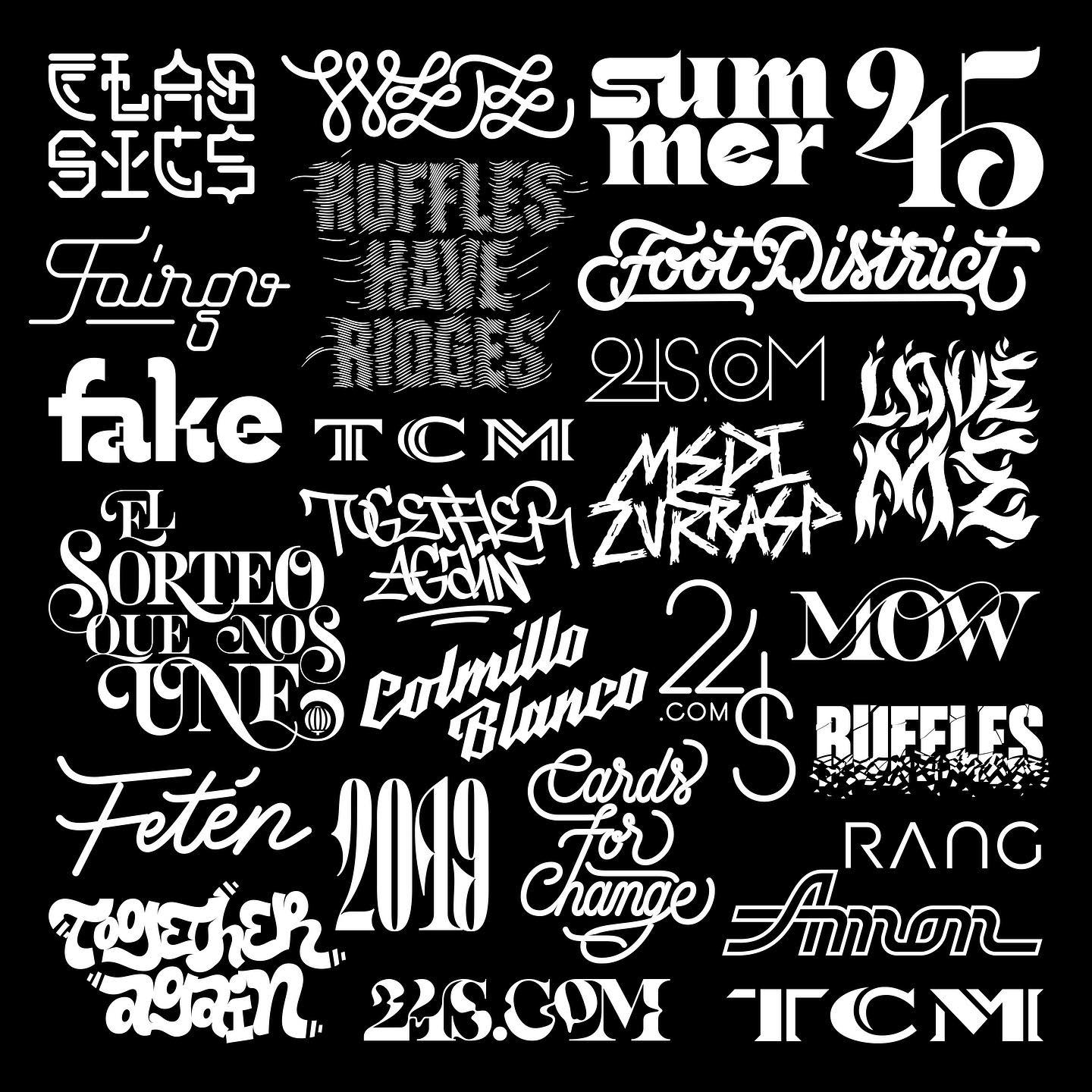
Martin: Do you remember when and how we met?
Juanra: Yeeees! I actually met you during my first year of studies. Almost 20 years ago. Both you and Lupi were my typography teachers, and I really enjoyed the classes, so when I finished my studies, I decided to get in touch with you to do my internship at your studio. I spent a few months there, and I honestly remember it as a really cool time: we listened to hip hop and developed typefaces.
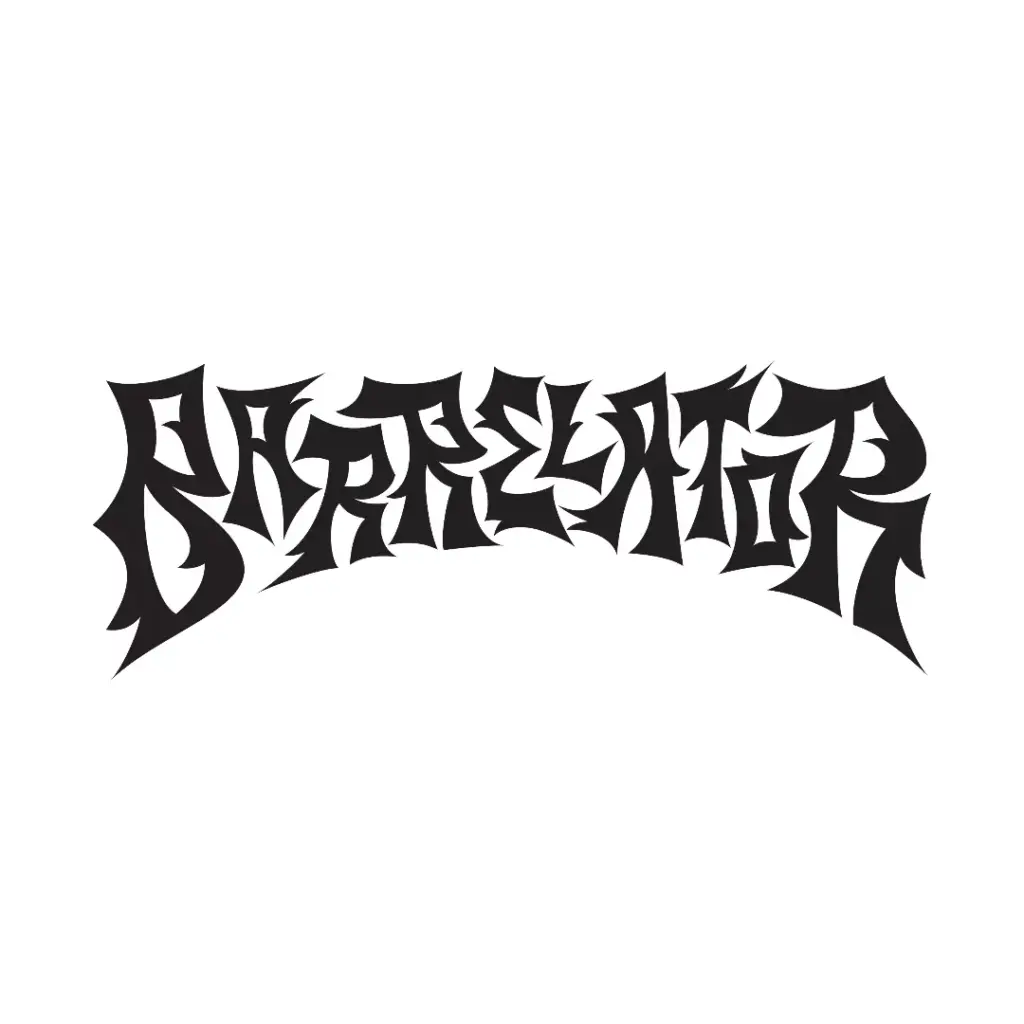
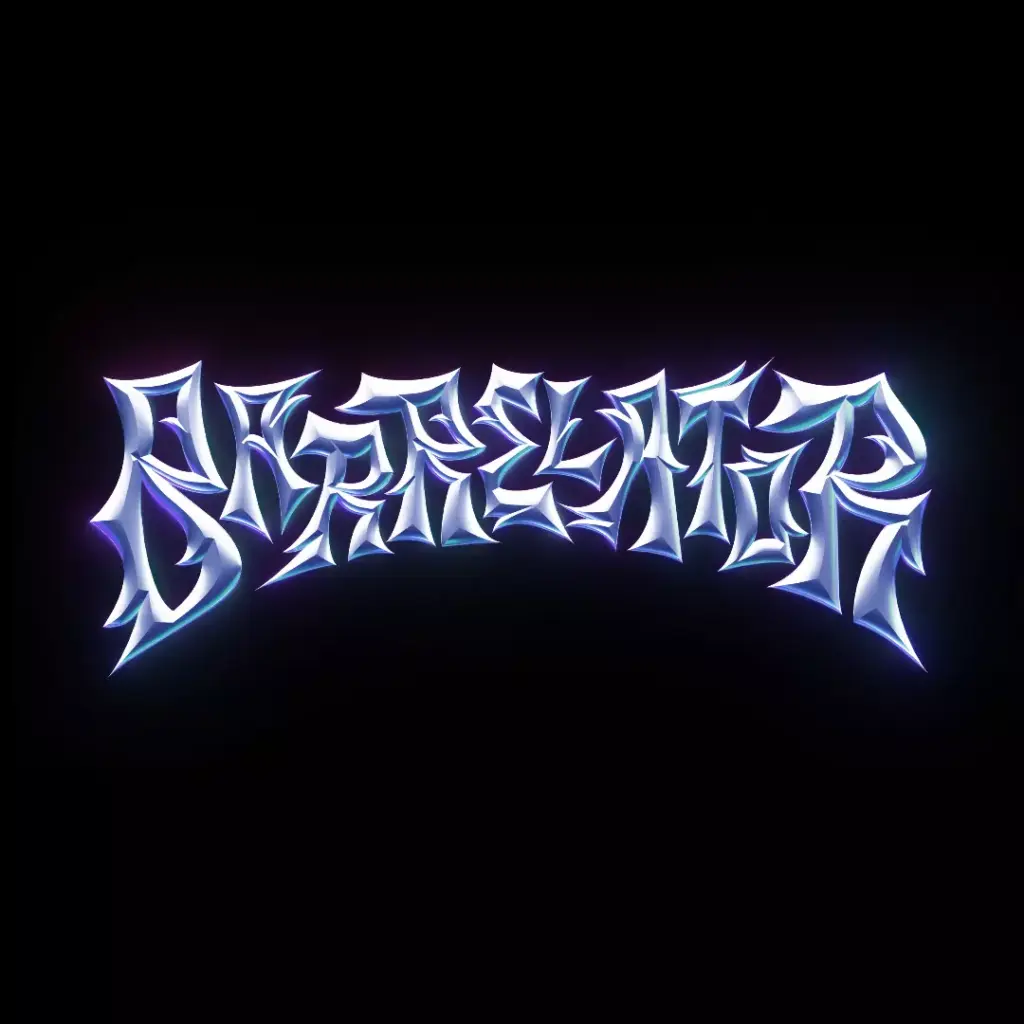
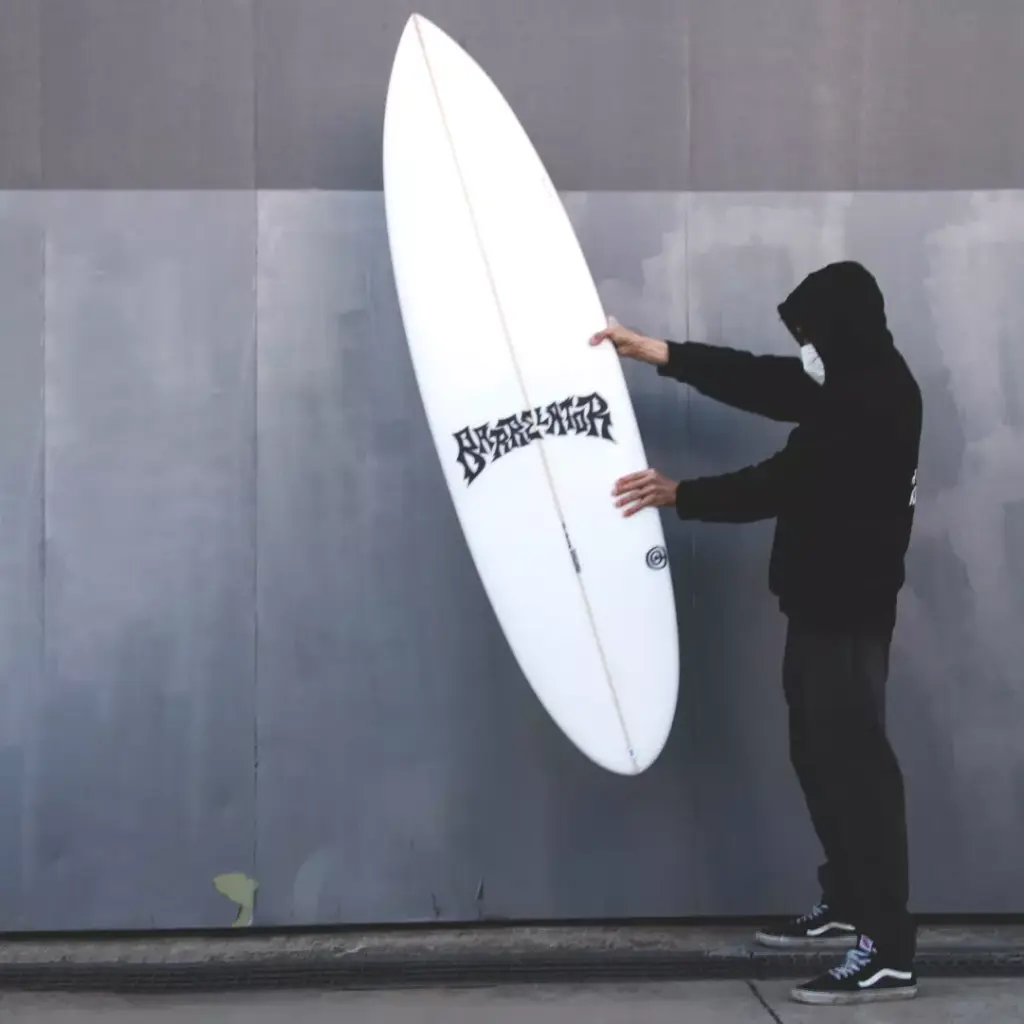
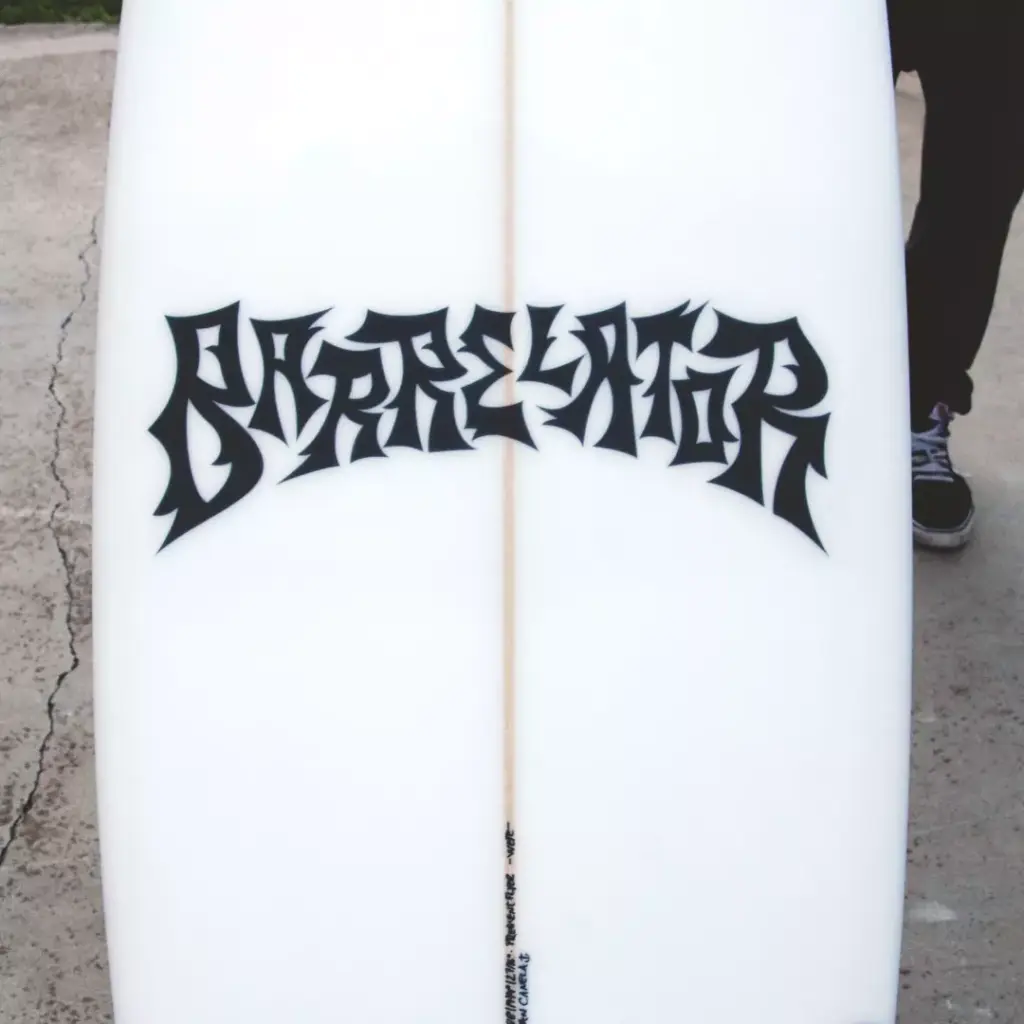
Martin: We quickly found out that we both share a love for graffiti. Was this the beginning of your interest in type design? How did it shape your approach to type design today?
Juanra: Exactly. Without a doubt, the world of graffiti was my entry point into typography. When I was painting graffiti, I wasn’t really aware of it, but while I was studying, I discovered lettering and type design, and that was definitely a turning point for me. I had spent years painting graffiti and being interested in letterforms, and then I found my real passion in type design.


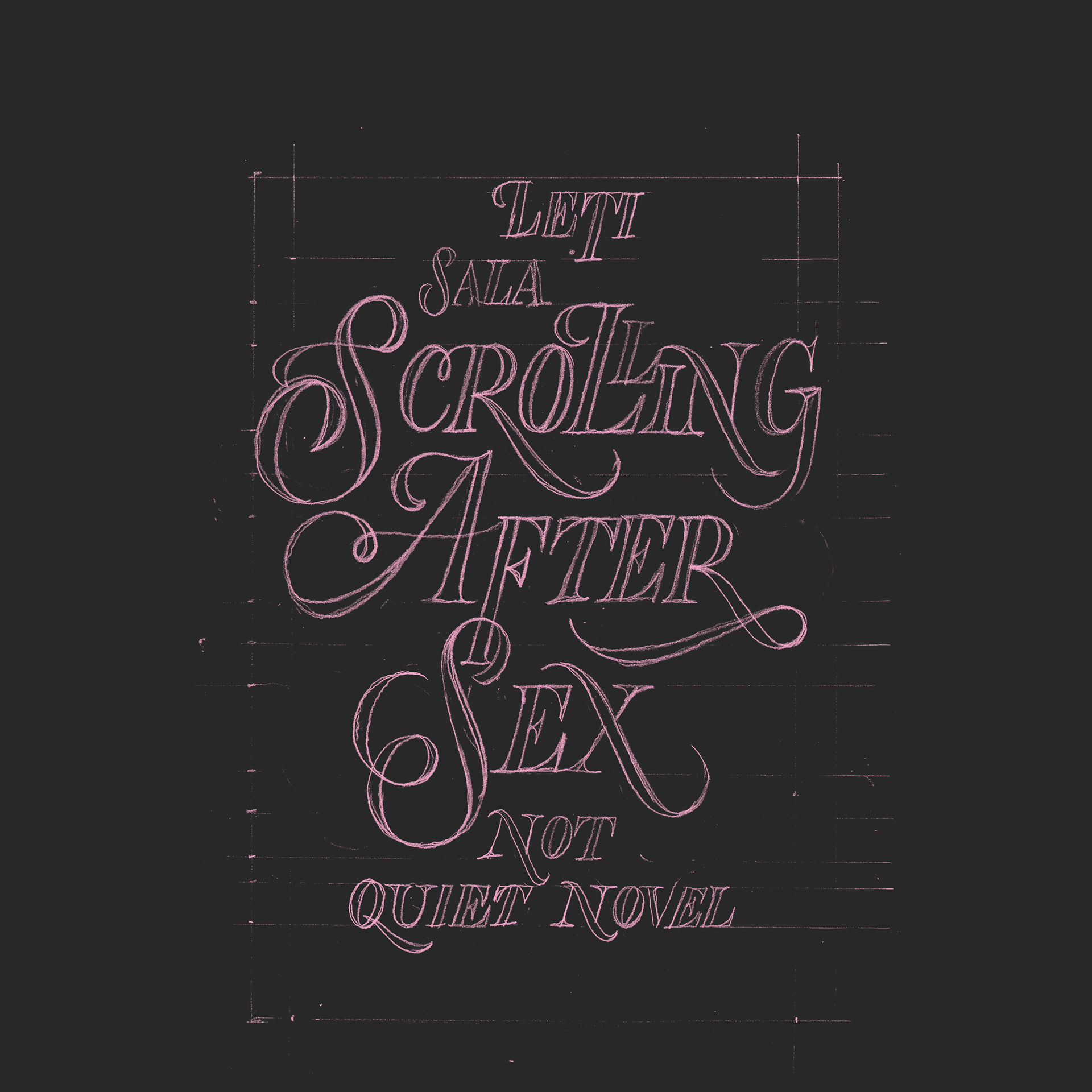
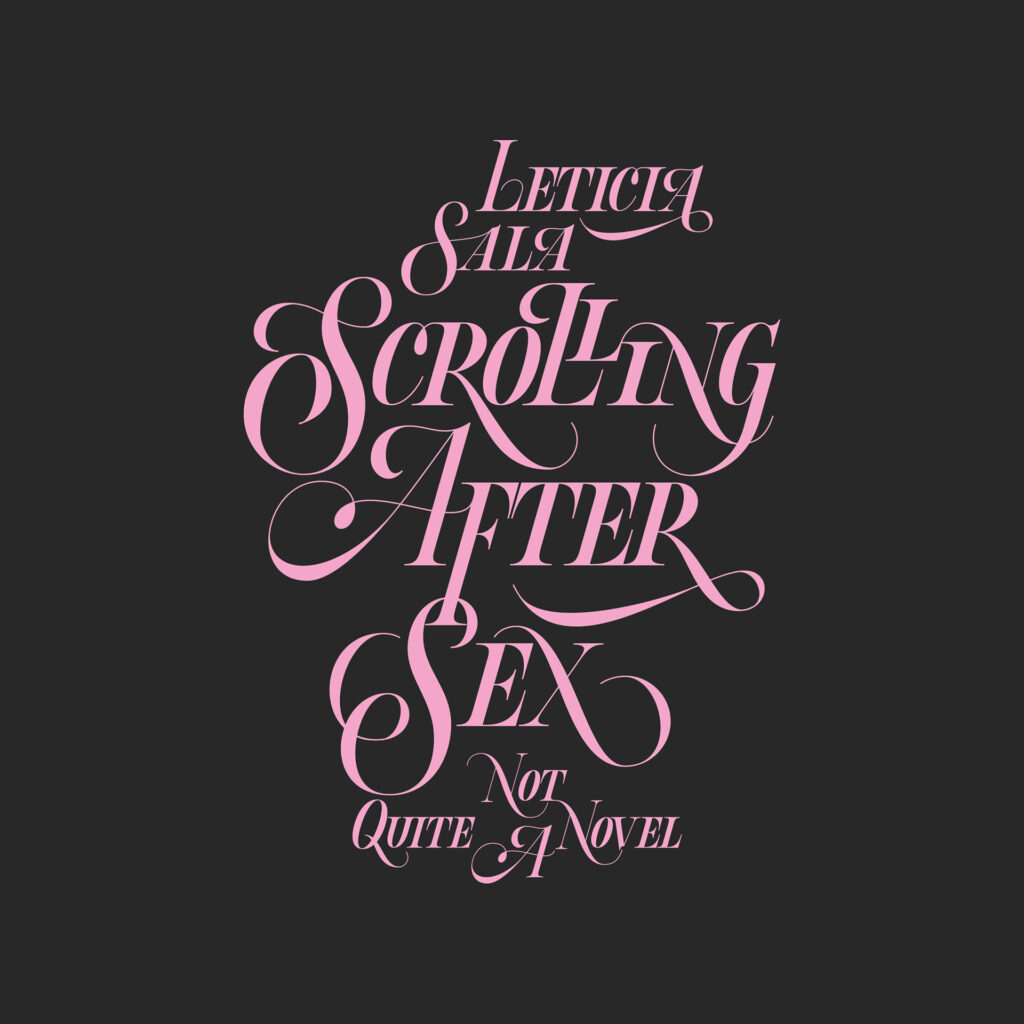
Martin: You have taught type design for many years. What do you recommend to a person who wants to learn type design today?
Juanra: It may sound like a cliché, but the most important thing, as with everything, is to have the drive and the passion. Typography is a discipline that, like many others, requires time and dedication. If you don’t genuinely enjoy it, you’ll probably get bored pretty quickly.

Martin: What are the professional opportunities for someone knowing how to design type?
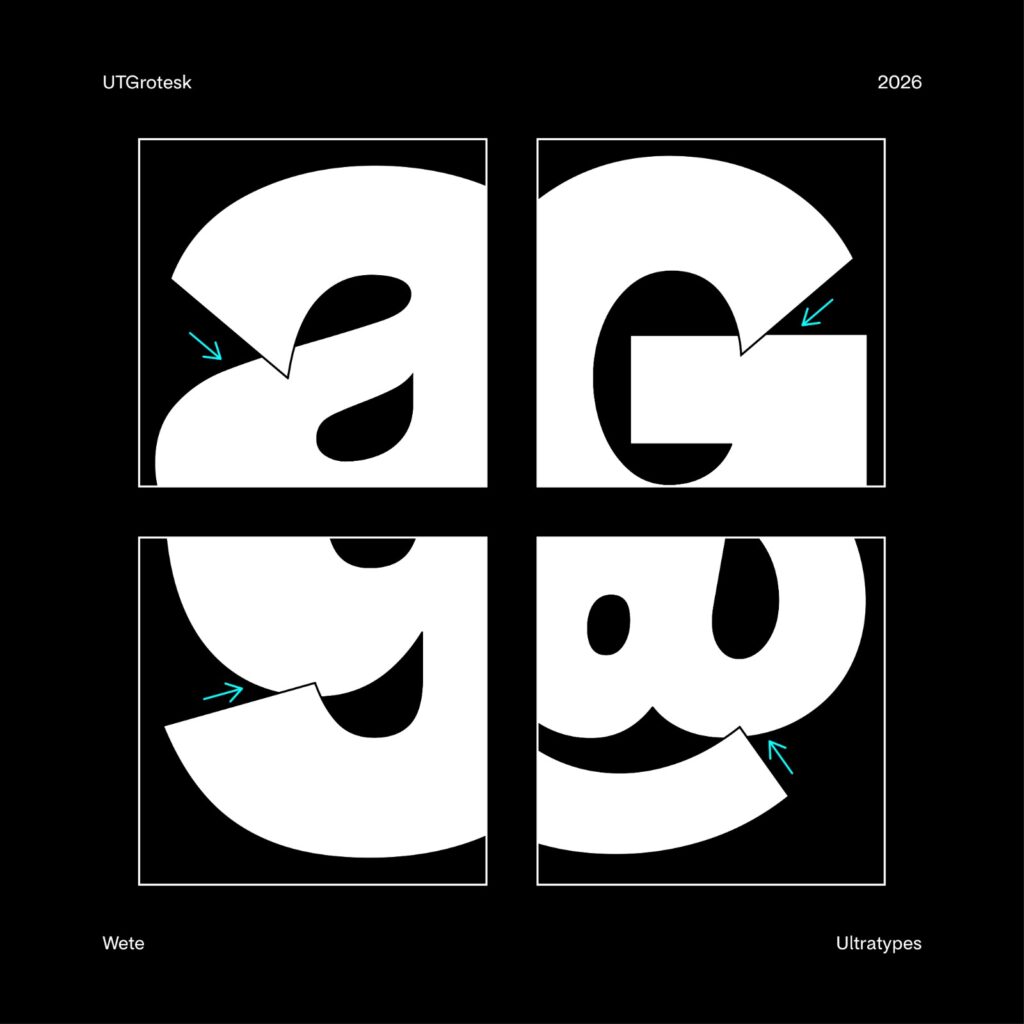
Juanra: Personally, it has helped me stand out from more traditional studios and offer other services beyond just using pre-existing typefaces. I’ve applied these concepts to visual identities, custom typefaces for companies, and retail typefaces for the general public.
Martin: I am really happy that you are going to teach a workshop at the School of Systems. Can you tell me a bit about it?
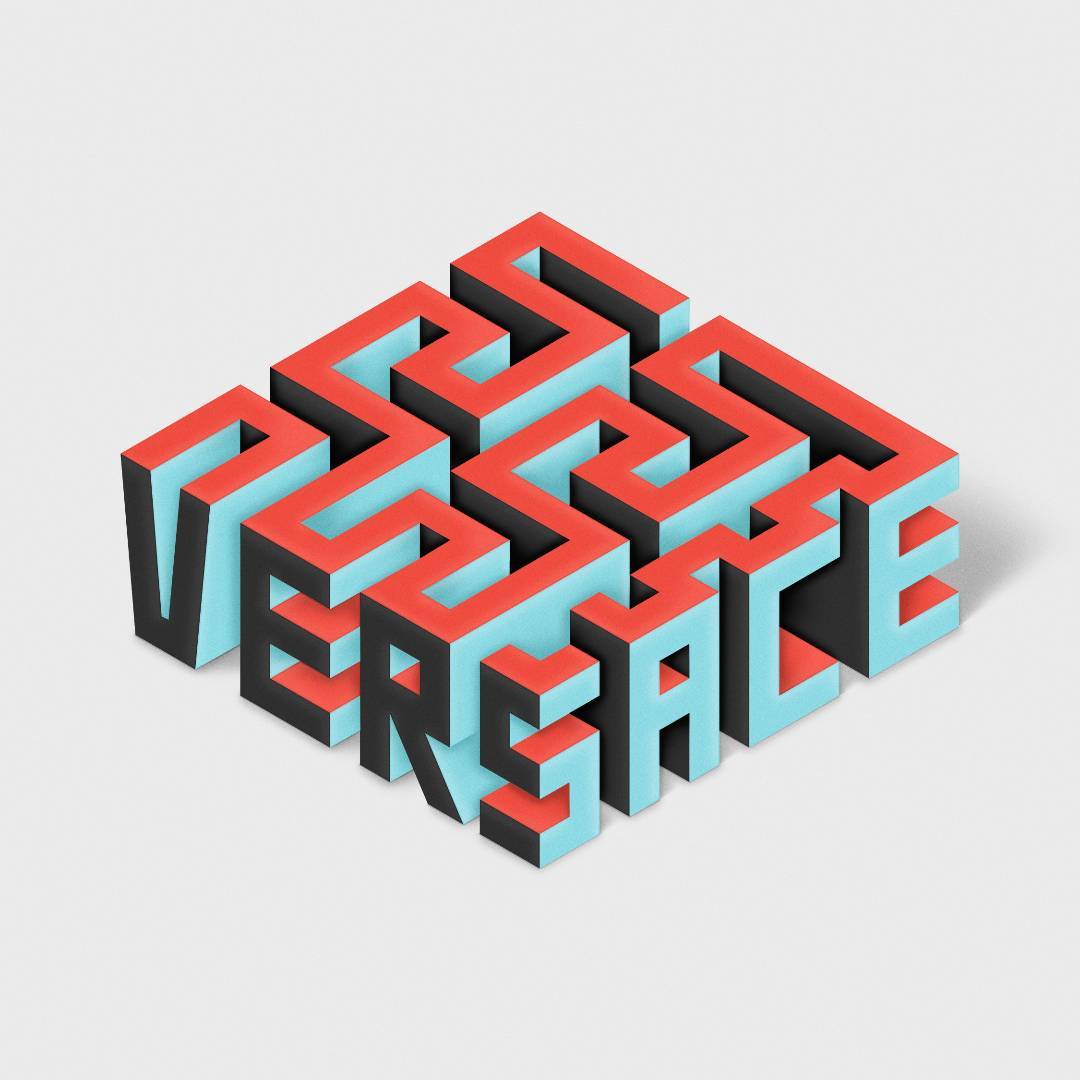
Juanra: This lettering workshop will guide you through the entire creative process, from the initial sketch to the final design. We’ll develop the concept and style of our lettering pieces by exploring references that align with our creative direction. We’ll then refine our ideas through pencil sketches before vectorizing the final artwork to achieve a polished, professional result.
Martin: You will also teach a course to dive deeper into the complex world of type design. What sessions will you teach?
Juanra: That’s right—this course is aimed at anyone who wants to get started in and deepen their understanding of type design. Across the different sessions, we’ll cover typographic fundamentals for modular type systems, drawing glyphs for modular type design, typographic spacing, expanding our alphabet, exporting our font as an installable file, and finally designing a type specimen to help present the typeface.
Thank you Juanra!
If this interview made you curious, have a look at Juanra’s workshop and course at the School of Systems. We have limited the number of participants to 15, so don’t wait too long to sign up.