INTERVIEW
Elio Salichs
«I remember something an editor told us years ago at the Frankfurt Book Fair. We went there because we liked books and wanted to design them. While talking, he said: ‹Publishers don’t need designers. They need authors.› With that sentence, we understood that we had to change our perspective, from designers as service providers to designers as editors.»
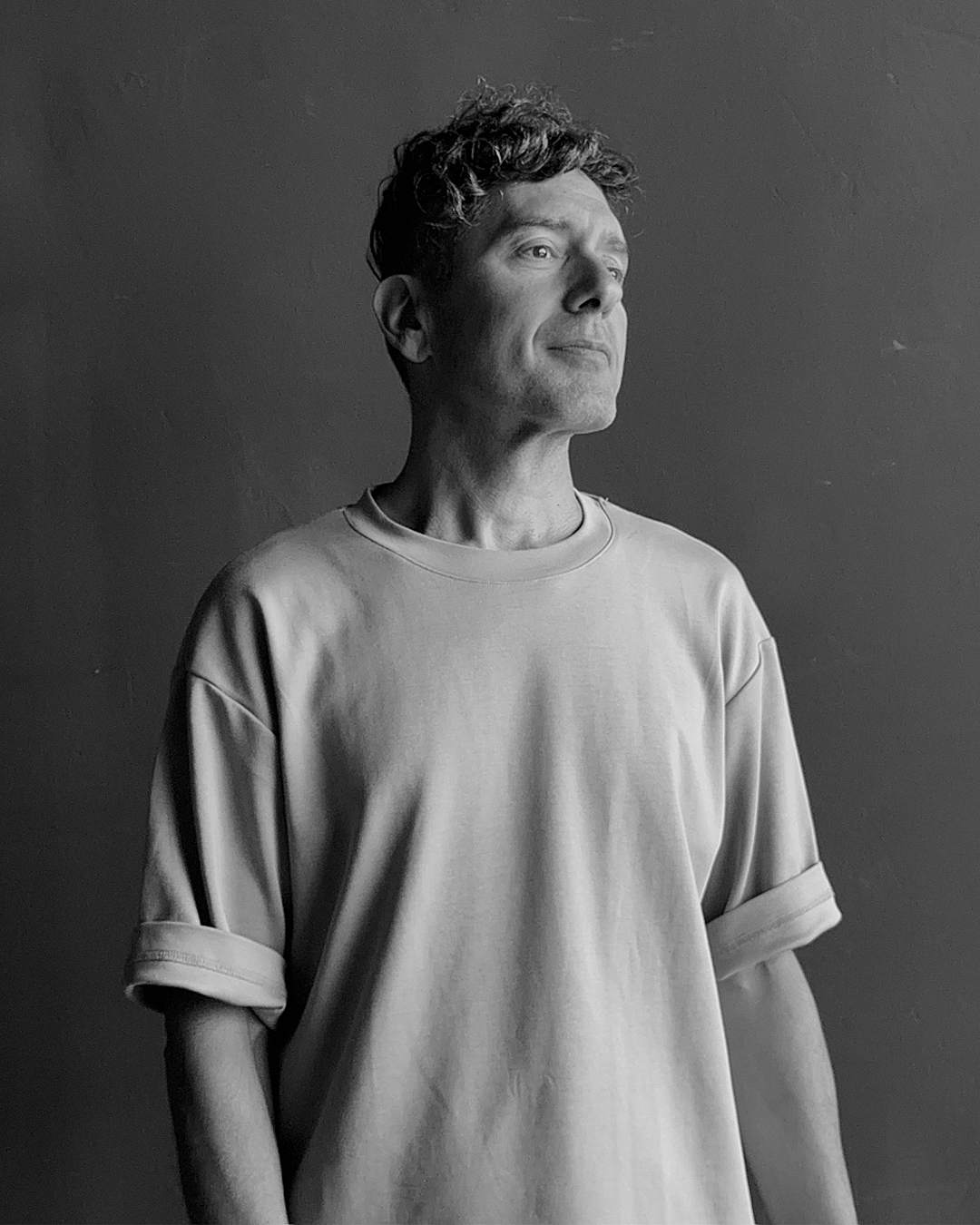
Elio Salichs is the son of a graphic designer. Driven by a desire to take a different path, he initially studied Humanities at Pompeu Fabra University in Barcelona. Two years later, however, he found himself drawn back to graphic design. He graduated in 1999, completed a Master’s in Advanced Typography, and went on to build a ten-year career as an Art and Creative Director across various studios and agencies. In 2010, he decided to forge his own path. He connected with Martin Lorenz and Lupi Asensio, founders of TwoPoints.Net (TPN). Since then, he has coordinated and executed projects for the TPN Barcelona office.
Alongside his professional practice, he has developed a strong teaching profile in editorial design and visual identity, with a particular focus on flexible visual systems. He has taught, lectured, and led workshops at various schools and universities in Spain, Italy, France, Germany, and the Dominican Republic.
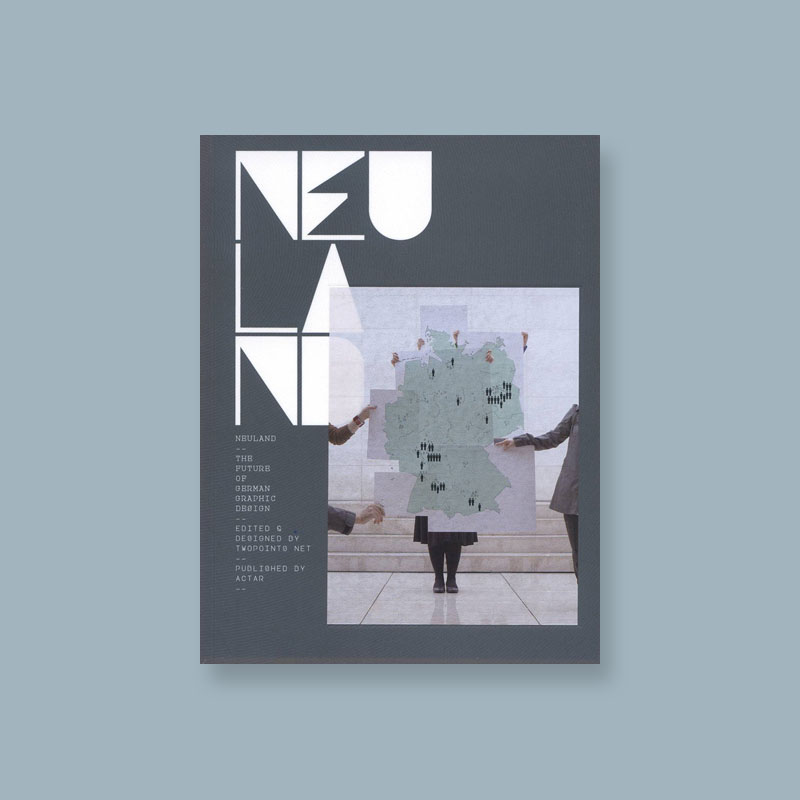
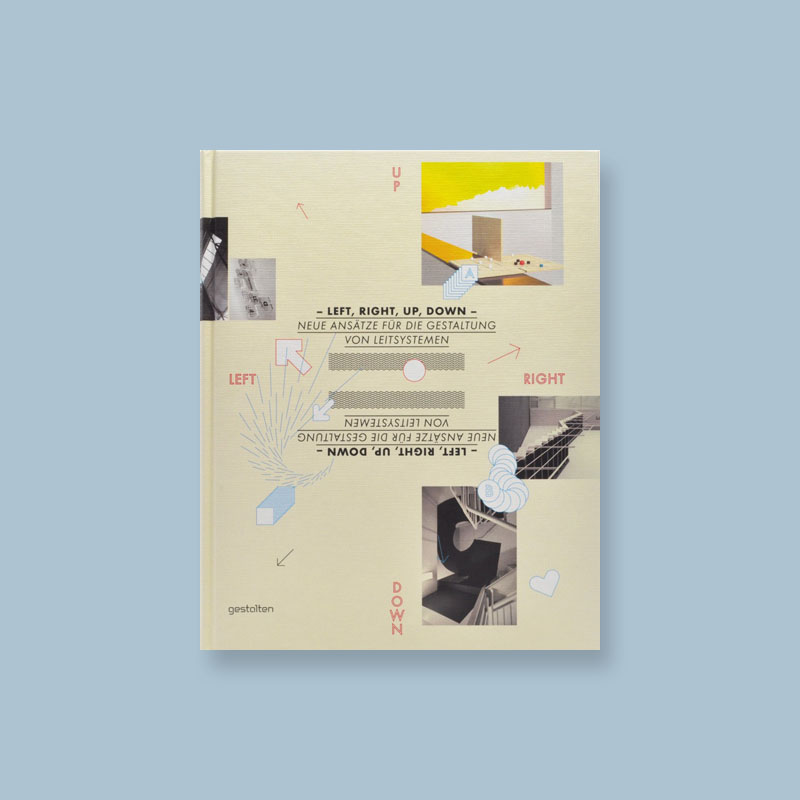
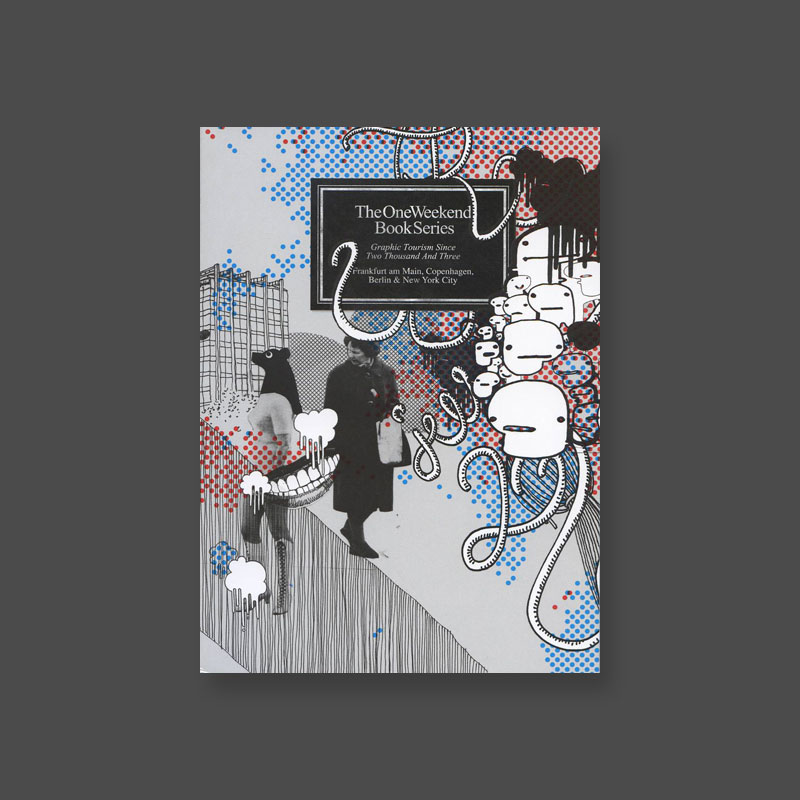
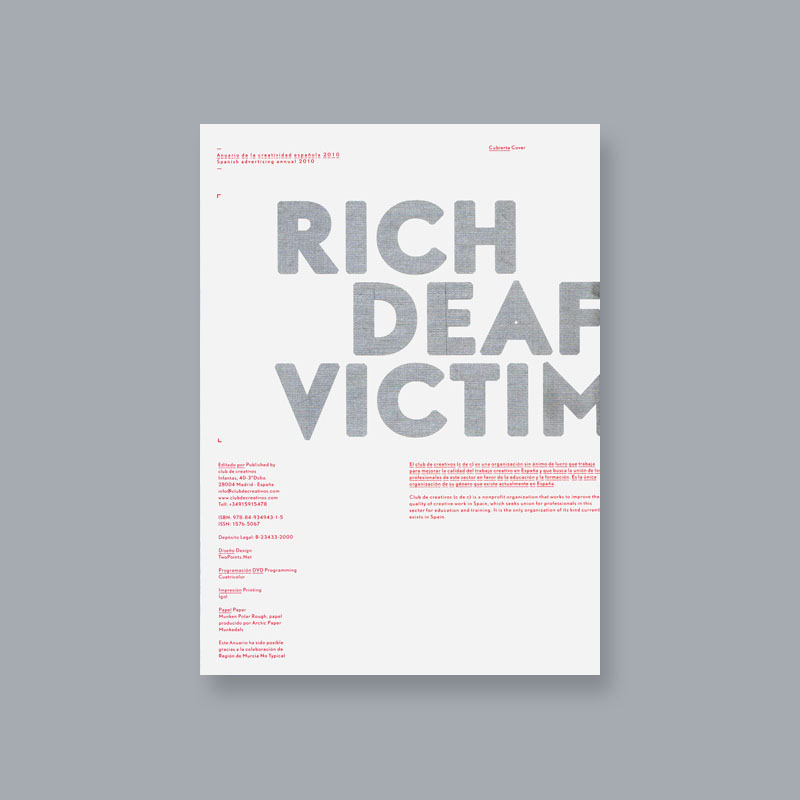
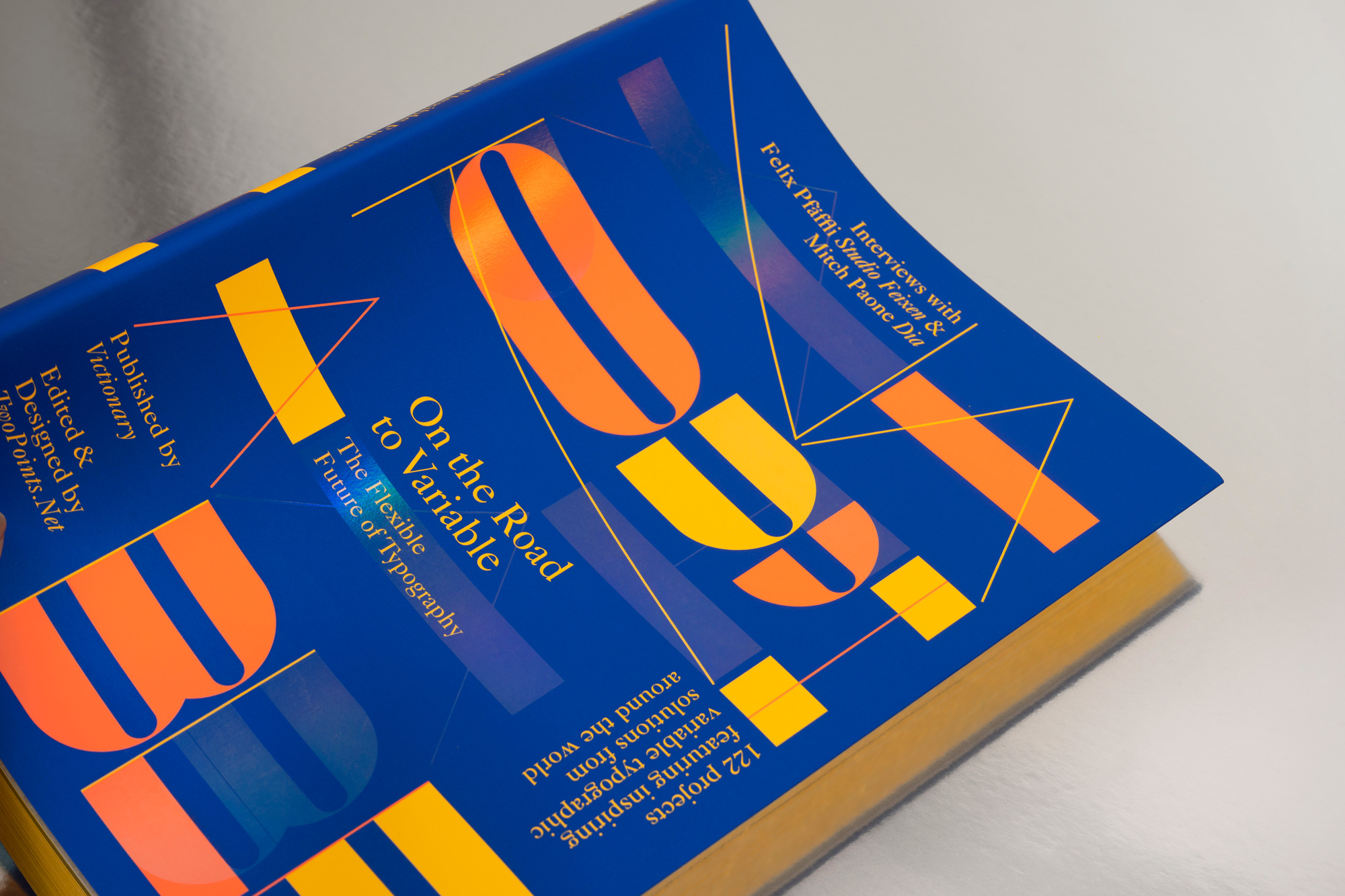
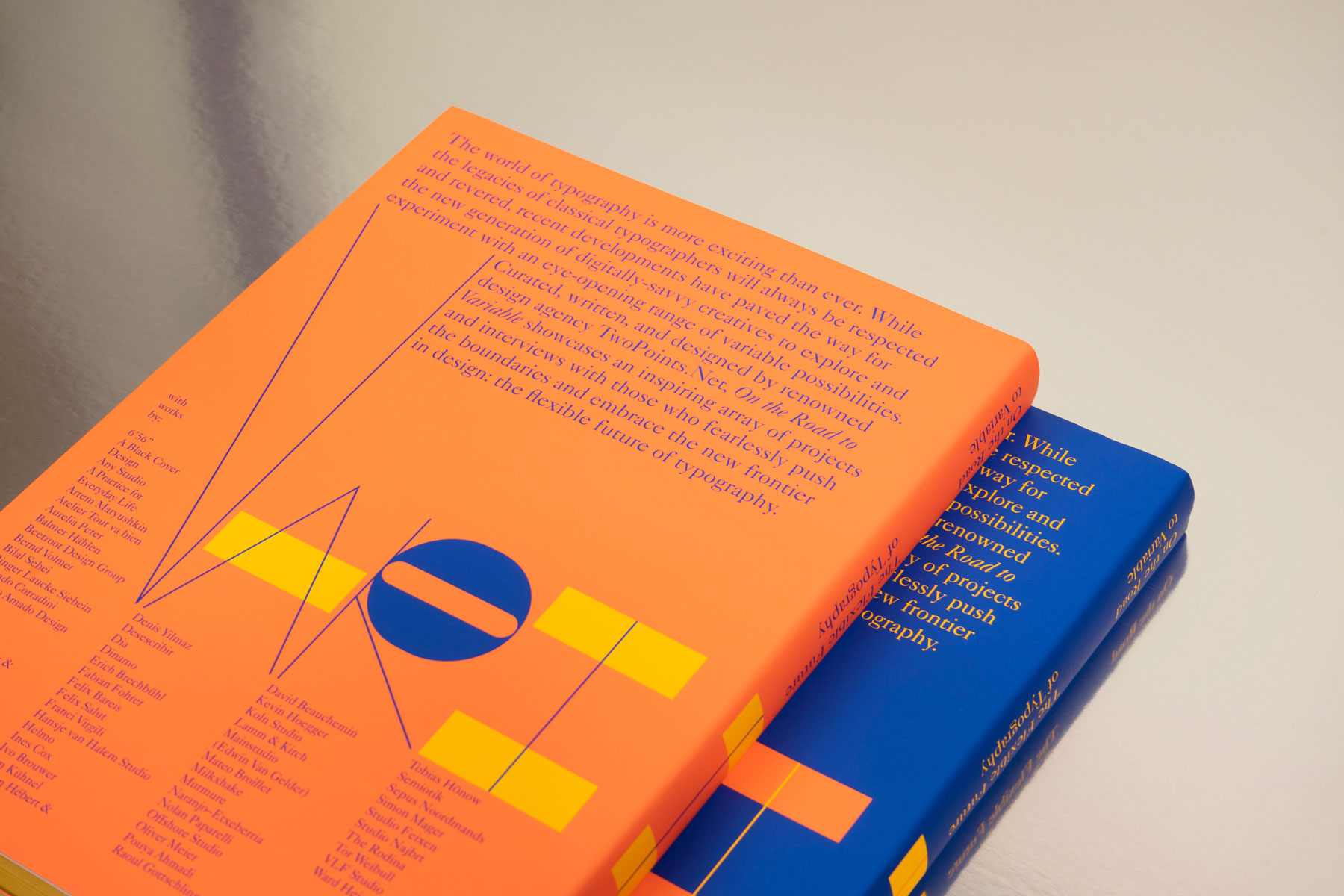
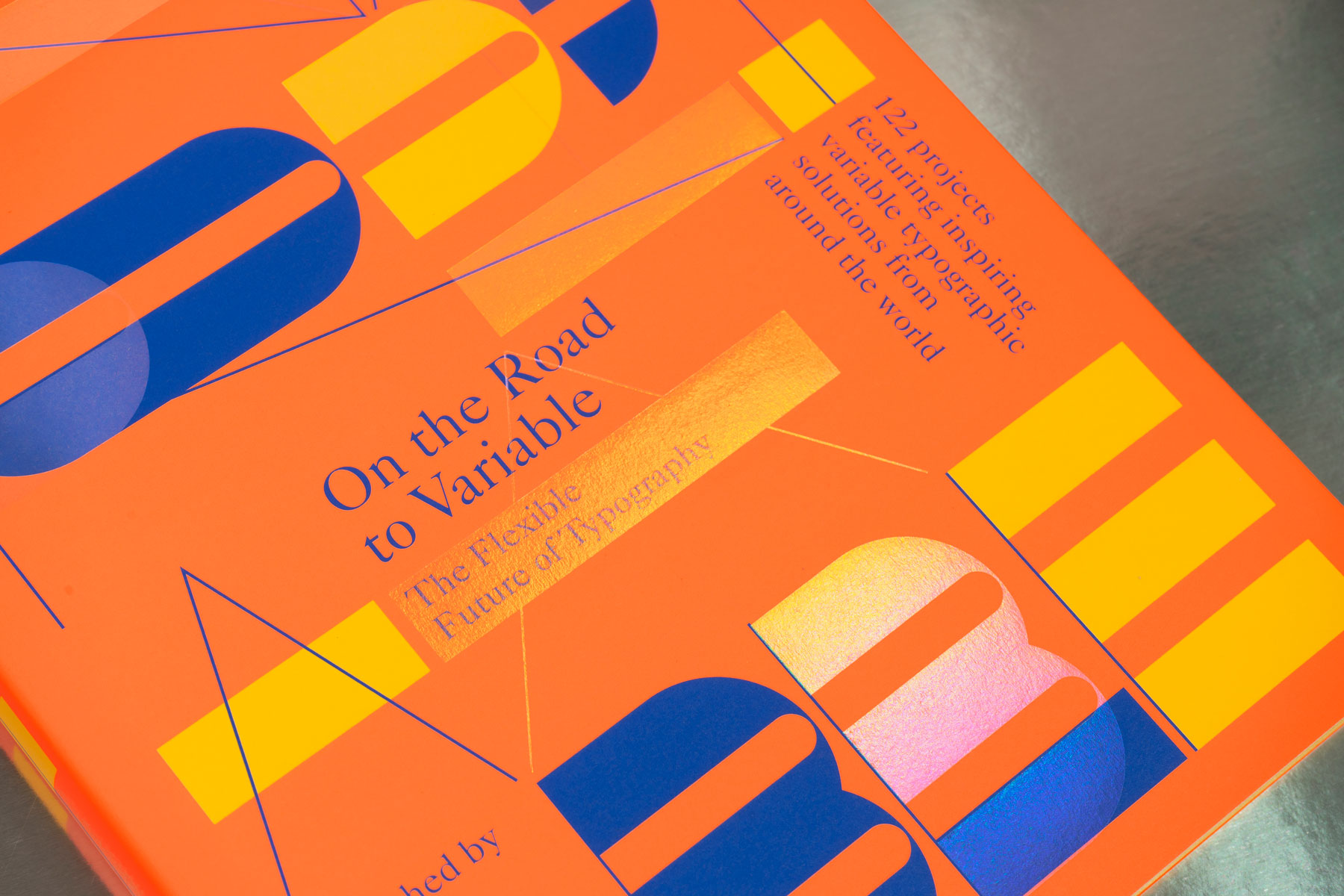
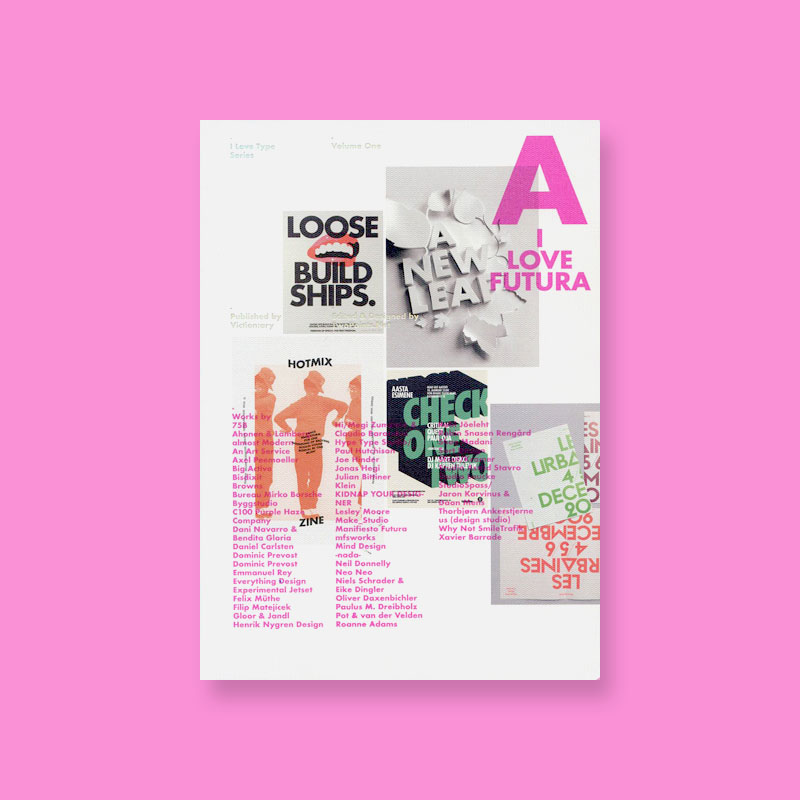
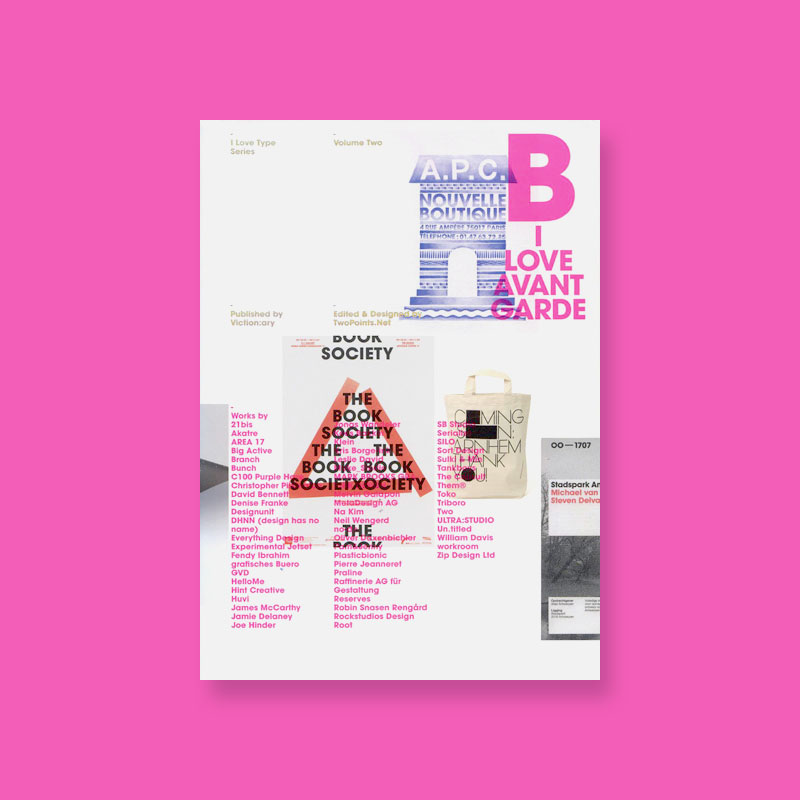
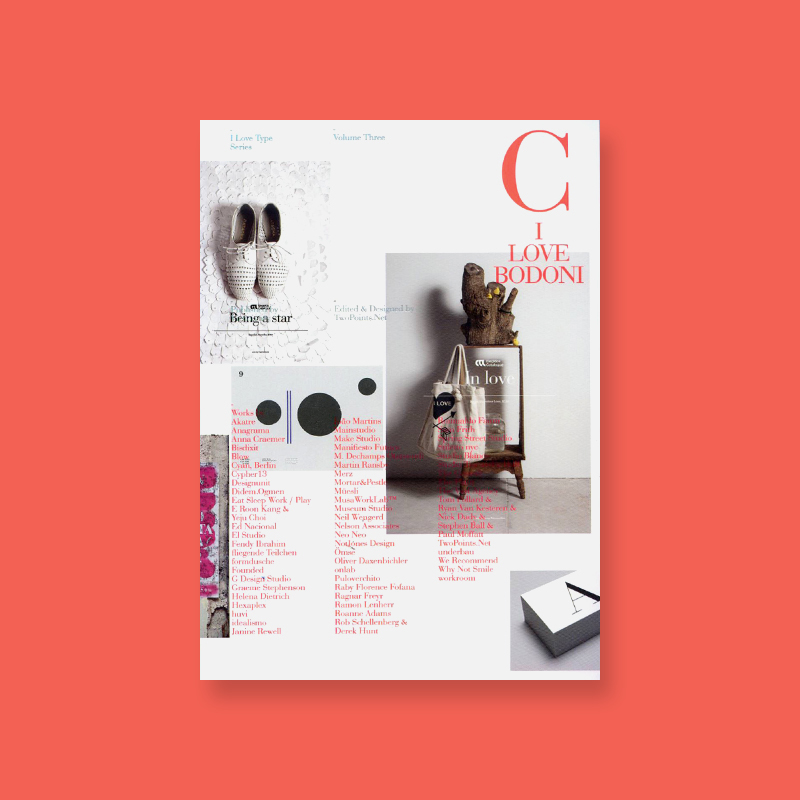
Martin: Hi Elio, TPN has authored more than 30 books over the almost 20 years of its existence. Making a book is both an under- and overestimated project. There are so many hurdles one has to overcome. You need an idea for a book that does not exist in this shape and form, you need a publisher to believe in you, and most importantly, you need to have the motivation to survive the book-making process. My motivation comes from an early love for books. Where does your motivation come from?
Elio: My motivation is perhaps less romantic. I love the idea that a simple intuition can grow into a book that didn’t exist before.
Of course, the moment when the boxes arrive from the printer is incredibly rewarding. But that moment is the reward rather than the motivation itself. What keeps me going is seeing many separate ideas, contributions and decisions slowly come together as a book.
Martin: Let’s go into them right now!
Which other aspects of making a book motivate you?
Elio: One of them is the possibility of generating your own project. There is something slightly crazy—and exciting—about deciding to make a book that nobody has asked for. You do it because you believe there is something worth exploring and that it should exist as a book.
If you are not deeply connected to the publishing world, it is unlikely that an editor will simply ask you to design one. But if you develop the idea yourself, you create that opportunity.
I remember something an editor told us years ago at the Frankfurt Book Fair. We went there because we liked books and wanted to design them. While talking, he said: “Publishers don’t need designers. They need authors.” With that sentence, we understood that we had to change our perspective—from designers as service providers to designers as editors.
A book also gives you an excuse to research something you are interested in. You learn, meet people and sometimes one project leads to another: a lecture, a class, a commission or a new collaboration. The book reaching the shelf is not always the end. Sometimes it is where something else starts.
And then there is the physical side. I like the weight of books, touching them and seeing them on a shelf. Digital content is constantly moving and changing, while a book fixes a particular moment and gives it a certain presence.
I also enjoy laying out books. Placing texts and images across double-page spreads, page by page, there is something almost artisanal about it that I really like.
Martin: You will be giving a workshop at the School of Systems. Can you tell me a bit about it?
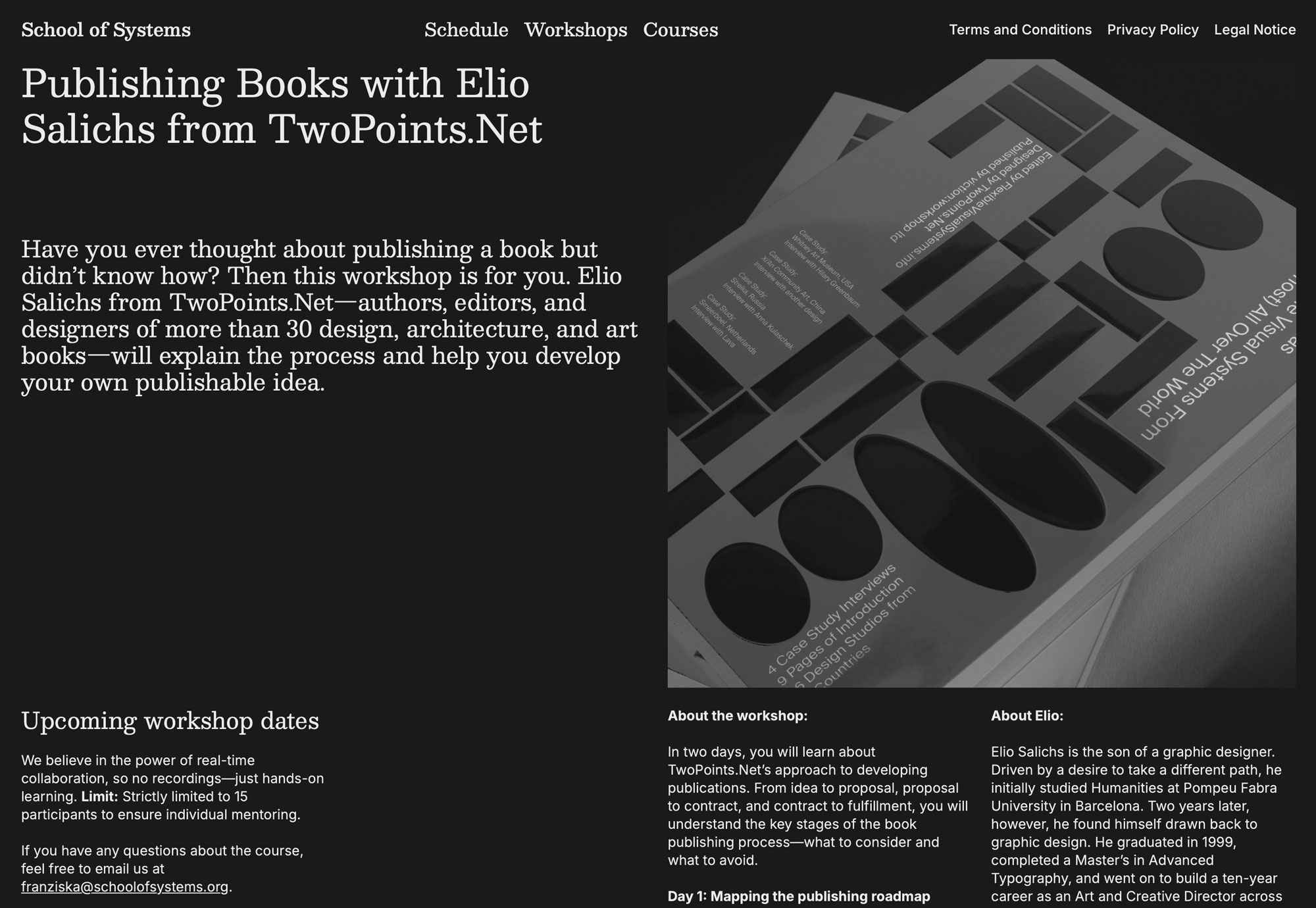
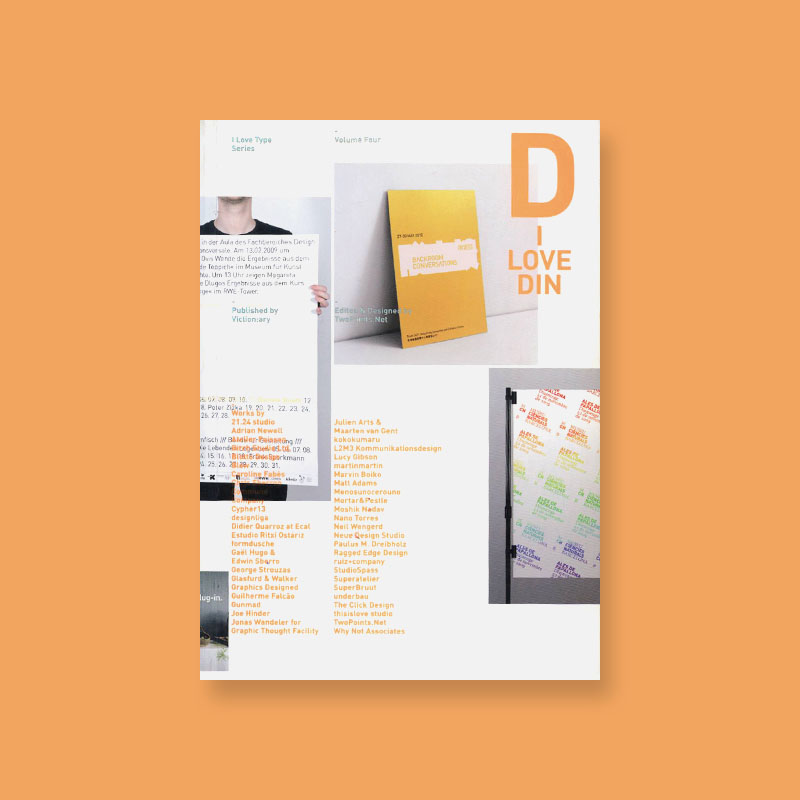
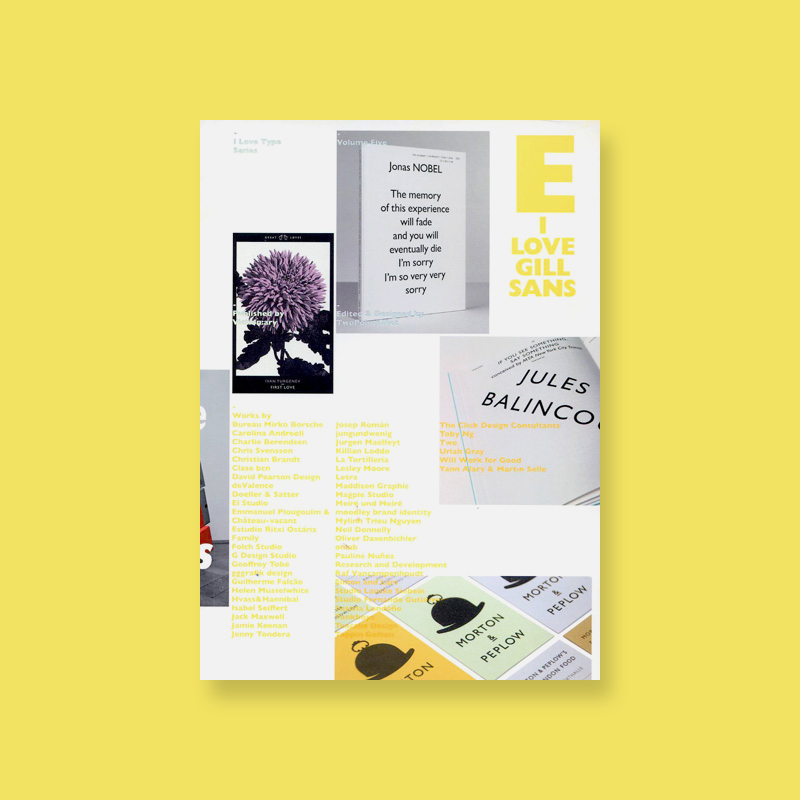
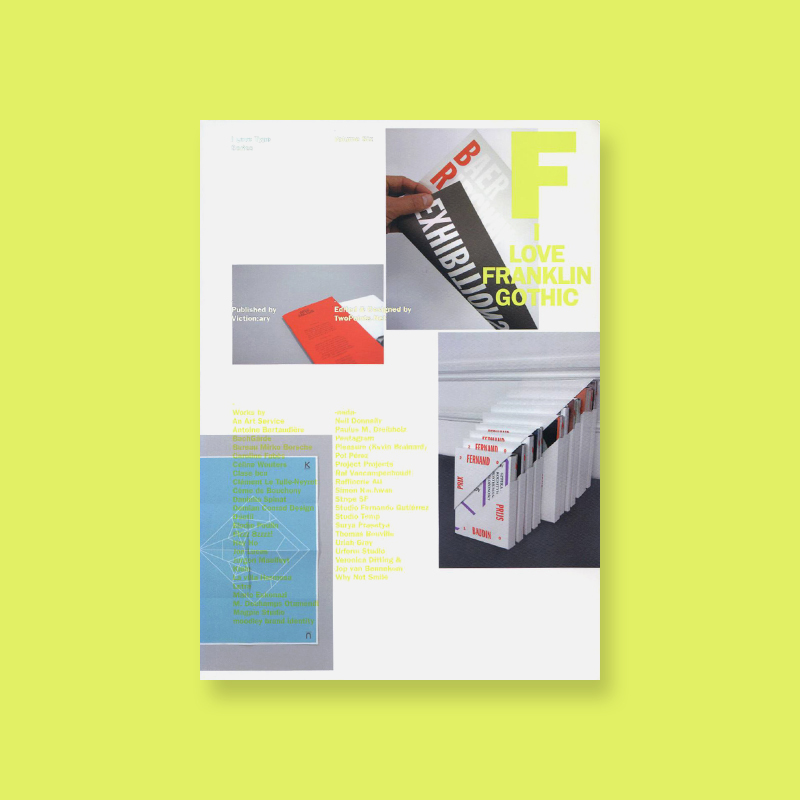
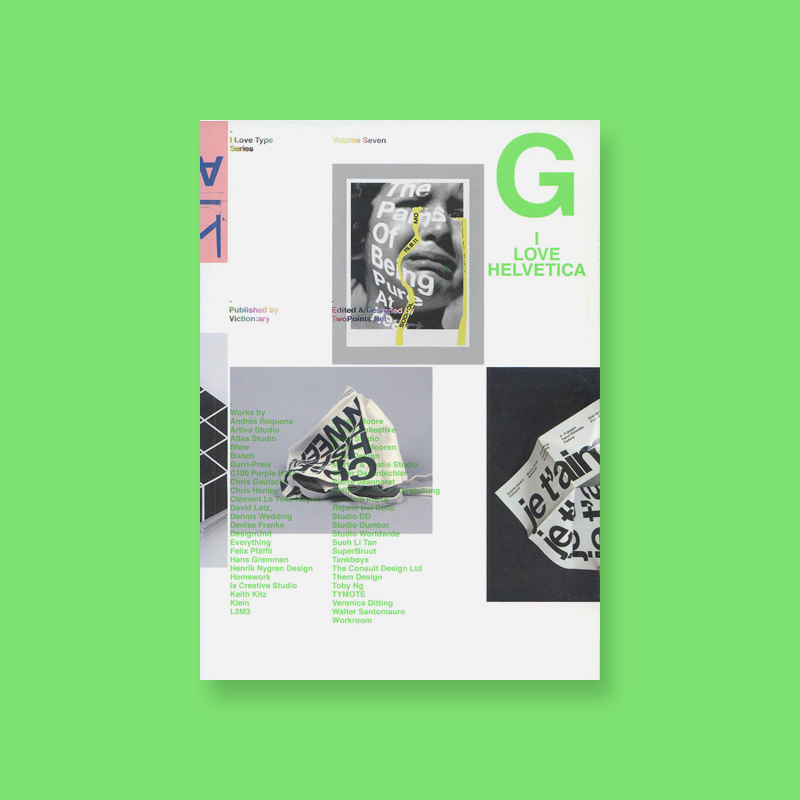
Elio: Yes. It comes directly from what we have been talking about. At TwoPoints.Net, we have worked on more than 30 books in different roles—sometimes designing projects initiated by others and sometimes developing our own through research, editing, curation and design.
We know many designers and creative professionals who would love to make a book but are not sure where to begin. The workshop is for them, whether they already have an idea or only an intuition that there might be a book somewhere.
During the first day, we look at real TwoPoints.Net projects and discuss where an idea can come from, how it starts taking shape and what the wider publishing roadmap looks like.
On the second day, the attention shifts to the participants’ own ideas. What is the book really about? Who might care about it? Why should it be a book? Where could the content come from? The aim is to explore and test different directions, so that each project begins to find a clearer focus.
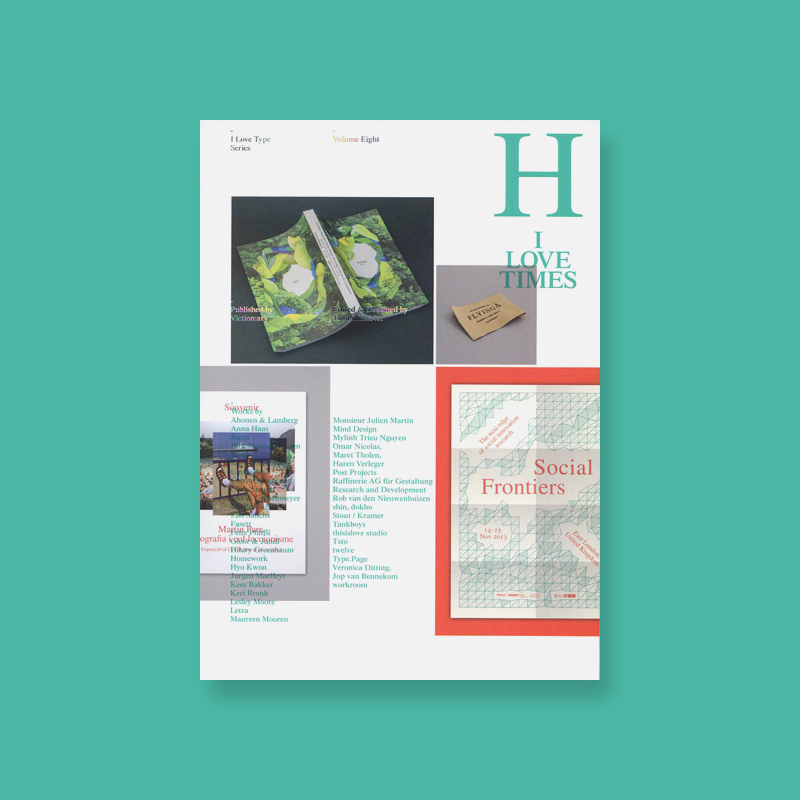
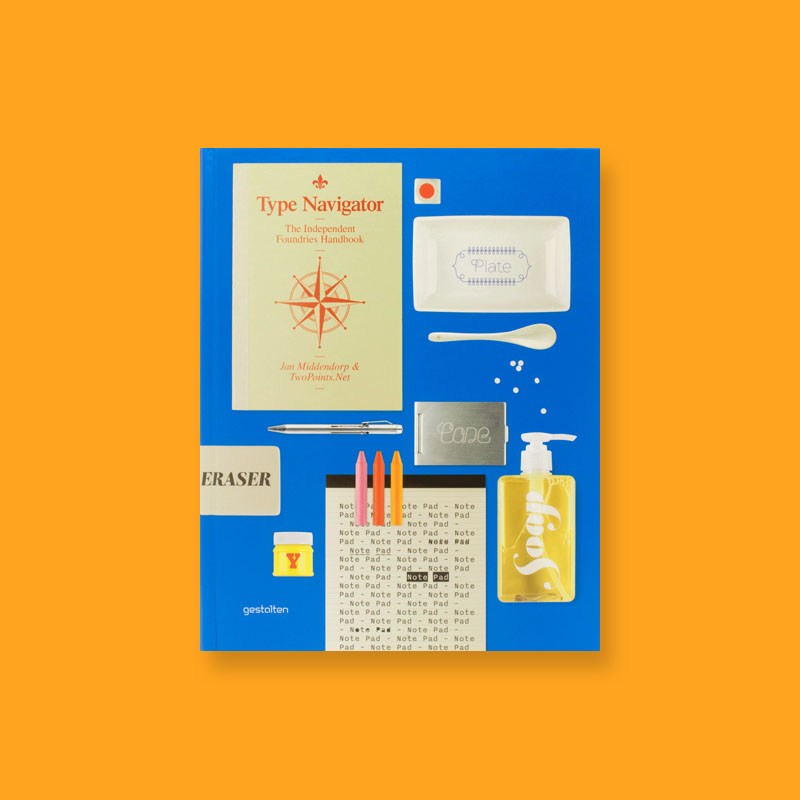
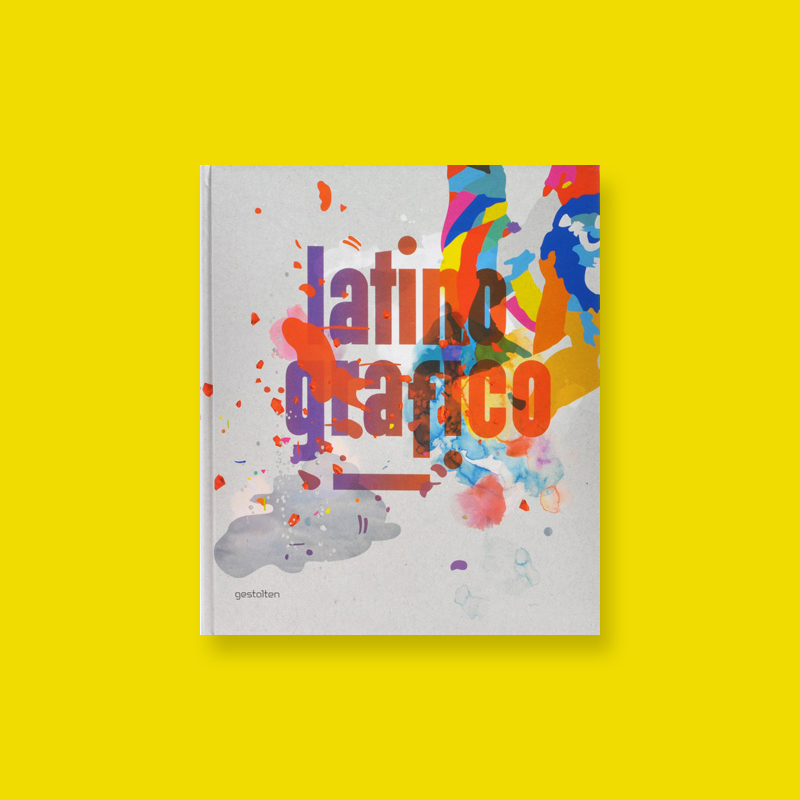
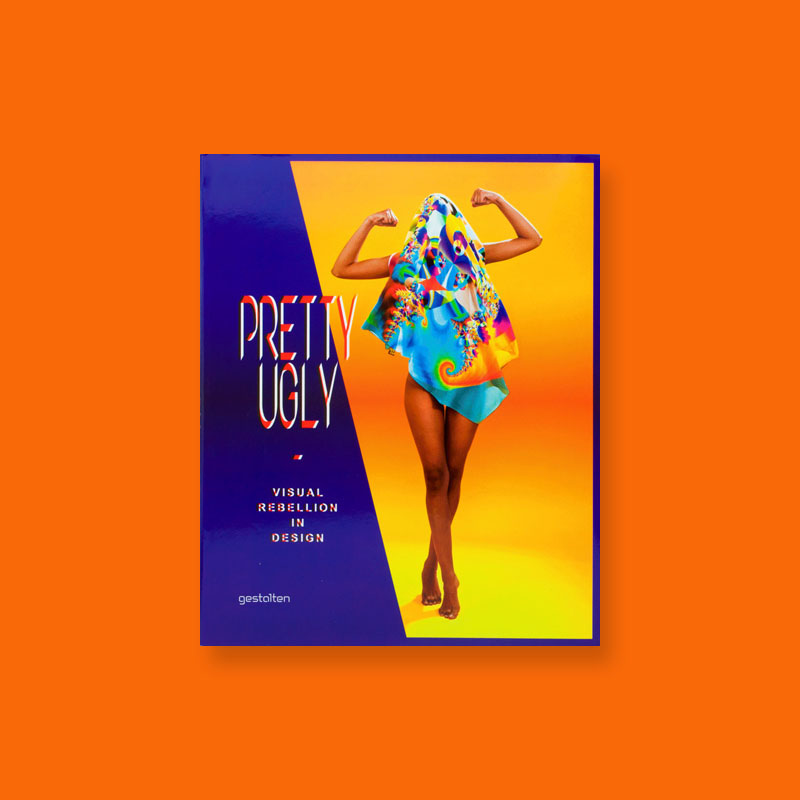
Martin: Sounds exciting. I don’t know of any workshop that offers insights into the actual process of getting a book published. It seems obvious that designers can also be authors—we know how to design and produce books. We just need to learn how to develop an idea and how to propose it to a publisher. What is it that you won’t cover in the workshop, but will explore further in the course?
Elio: The workshop starts that first conversation. In the six-week Deep Dive, there is time to develop the project much further, with mentoring and feedback throughout the process.
We work on one project over six weekly sessions, connecting the idea with research, content, structure and visual direction, and gradually bringing everything together into a proposal that a publisher can understand and respond to.
We also discuss the practical side of publishing: how to identify and approach the right publisher, how to work with contributors, and what you need to consider when dealing with contracts, copyright, rights and royalties.
An important difference is the time between sessions so the participants can work on their projects during the week, bring the results back and receive feedback.
In the final session, participants will have the opportunity to present their proposals to Slanted publishers and receive direct editorial feedback. Having a real editor respond to your project is incredibly valuable. And who knows? Perhaps one of those conversations will become the beginning of a first publication.