Lucile Martin (Alliage)
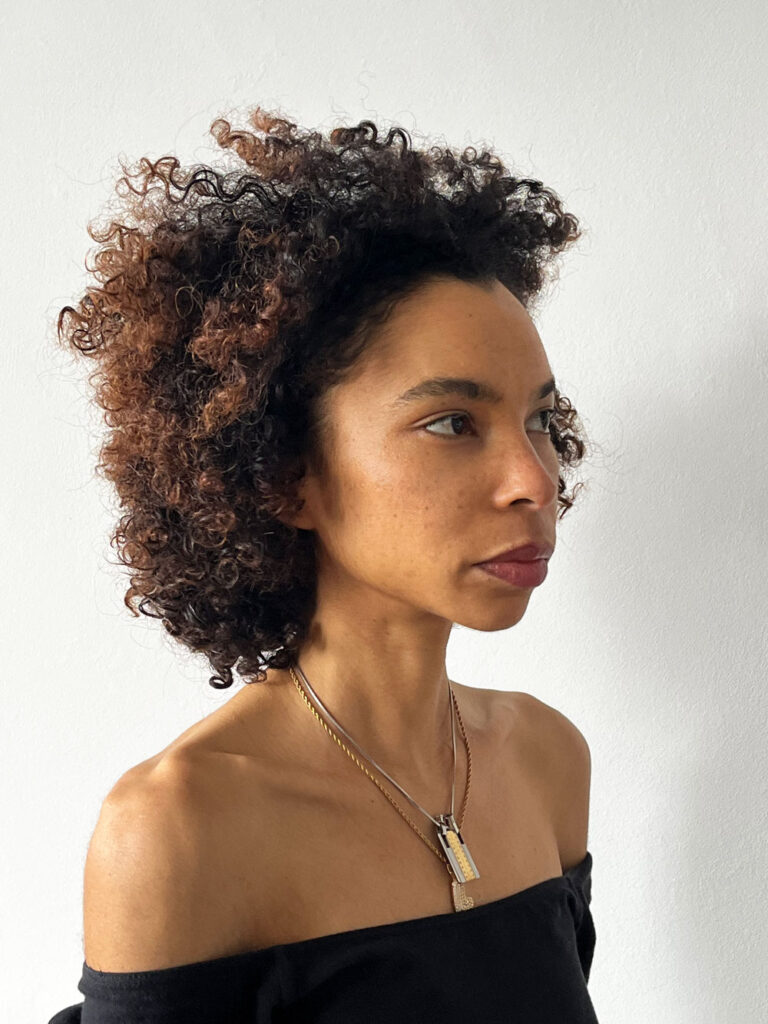
Lucile Martin is a French art director and graphic designer based in Brussels. She co-founded Alliage in 2018, a studio dedicated to developing visual identities, editorial objects, and digital environments for cultural and hybrid projects. Today, Lucile continues to lead Alliage, following the departure of her collaborator Julien Pik, who has moved into another field. Under her direction, the studio remains true to its name—the idea of an alloy, a fusion—and continues to evolve through collaboration, bringing together designers, artists, and researchers with diverse sensibilities. Her practice exists at the intersection of graphic design, visual arts, and research, where systems are conceived as living organisms rather than rigid frameworks. Lucile is particularly interested in how materiality, texture, and digital painting can inform flexible visual systems. For her, each project becomes a field of experimentation—a space where structure and intuition coexist, and where an image can be both legible and ambiguous.
Alliage is one of the 46 design studios from 23 countries showcased in the book FVS Atlas, published by Viction:ary and authored and designed by TwoPoints.Net. The book serves as evidence of a shift in how designers worldwide approach brand identity design. While in the last century, the identity design revolved around logos, representing a message, this century is about systems functioning as flexible visual languages. In this series of interviews, the trailblazing designers give insight into their systemic approaches.
Focusing on Flexible Identity Systems as a global phenomenon, I would like to know which places influenced your understanding of systems.
I’ve always perceived systems as organic rather than rational structures. This understanding first emerged through drawing and painting, practices that taught me how repetition and variation can create coherence without uniformity. My studies at HEAR in Strasbourg and later at ERG in Brussels opened me to computational thinking and conceptual design, revealing that a system could also be a poetic device. In my practice, a system is not a tool of control but a space of balance: between logic and emotion, between order and friction. I’m interested in how visual languages can mutate, like ecosystems adapting to their environment. The system then becomes a framework for emergence rather than prescription: a set of visual behaviours that allows forms to live, breathe, and transform over time. I’m also influenced by the fluidity of the web and by the aesthetics of digital cultures, where identities are in constant motion and self-reinvention. I try to design visual systems that reflect this vitality: structures capable of transformation rather than strictly static frameworks, through a practice inspired by dynamic and generative systems, kinetic typography, and motion design.
Which of the Identity Systems you designed is your favorite and why?
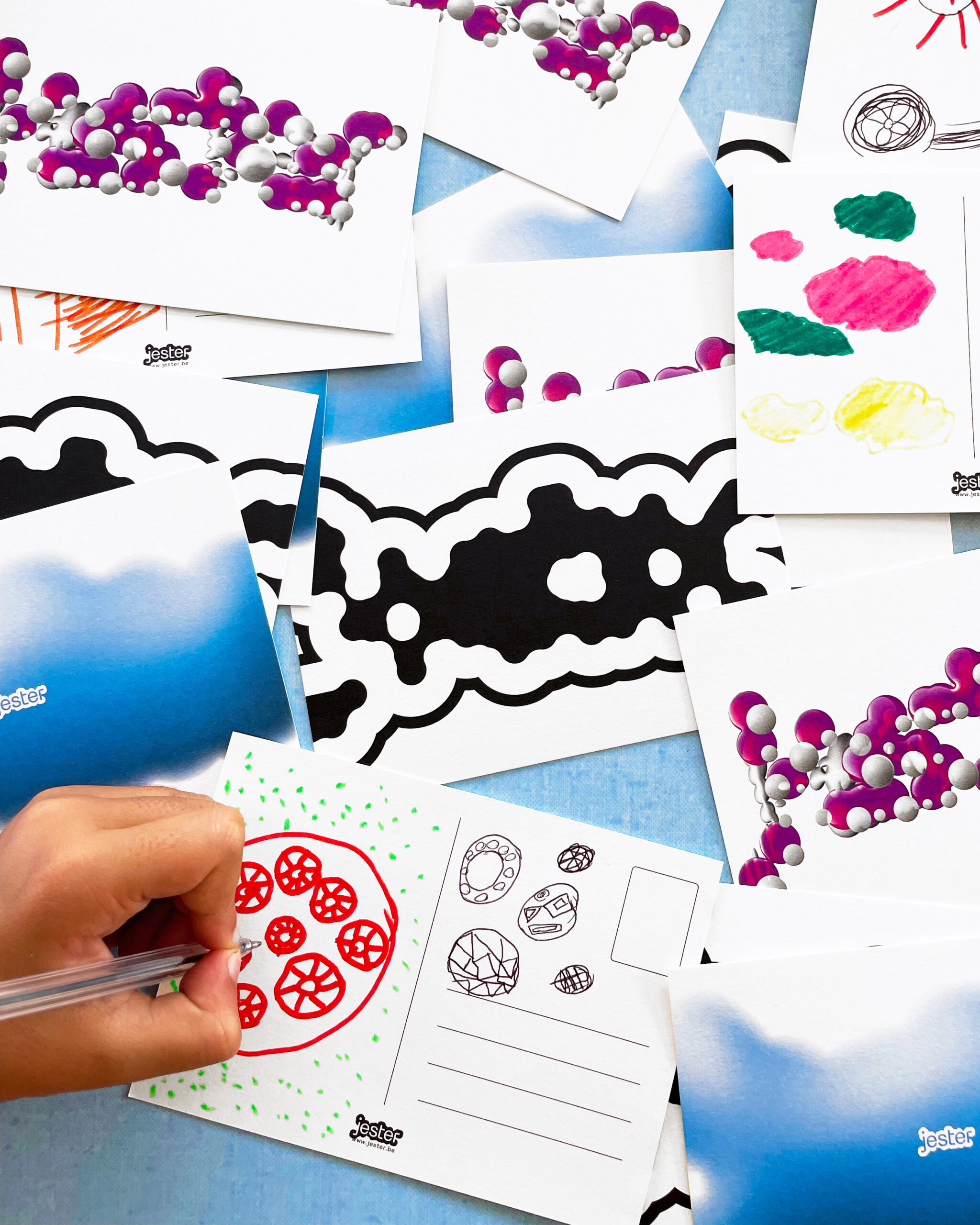
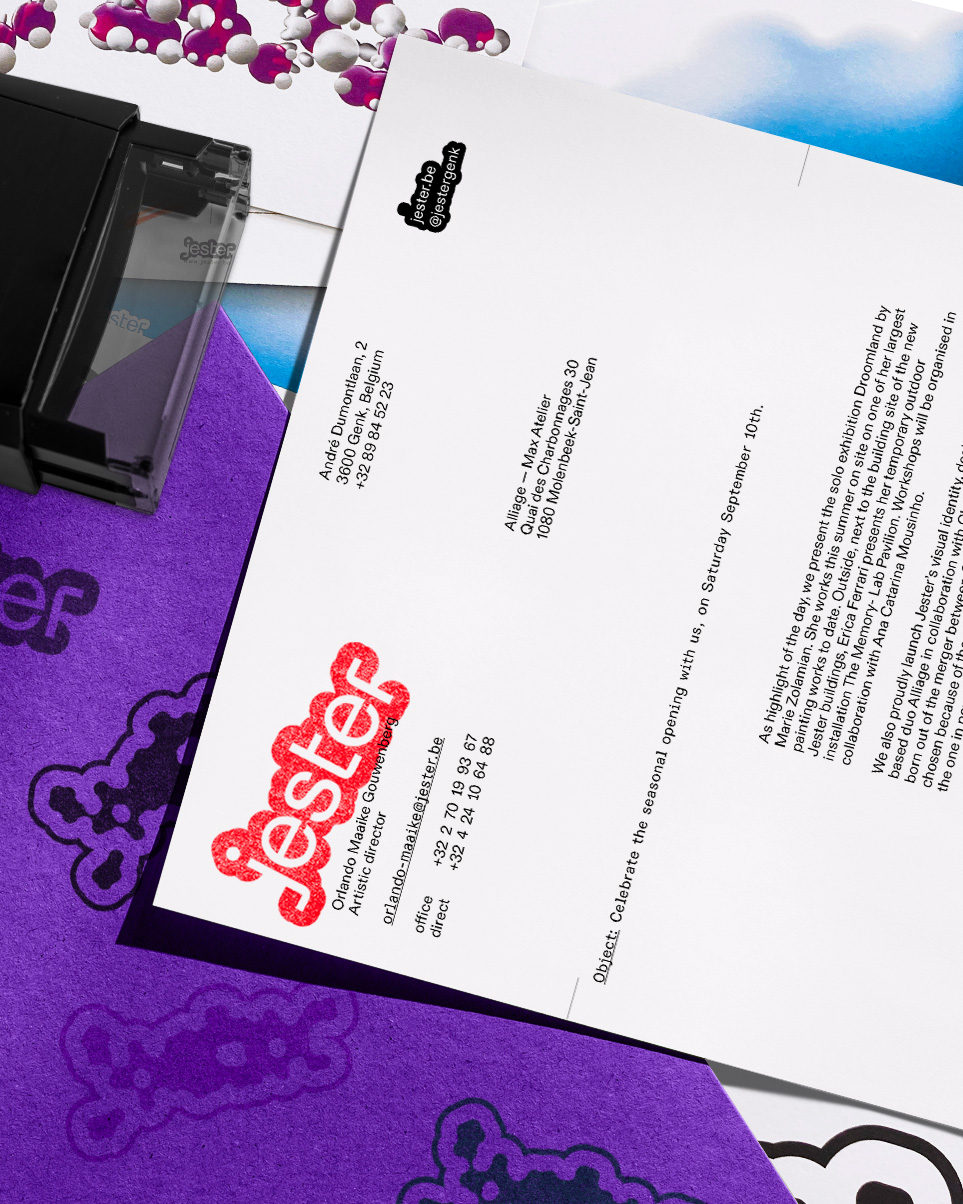
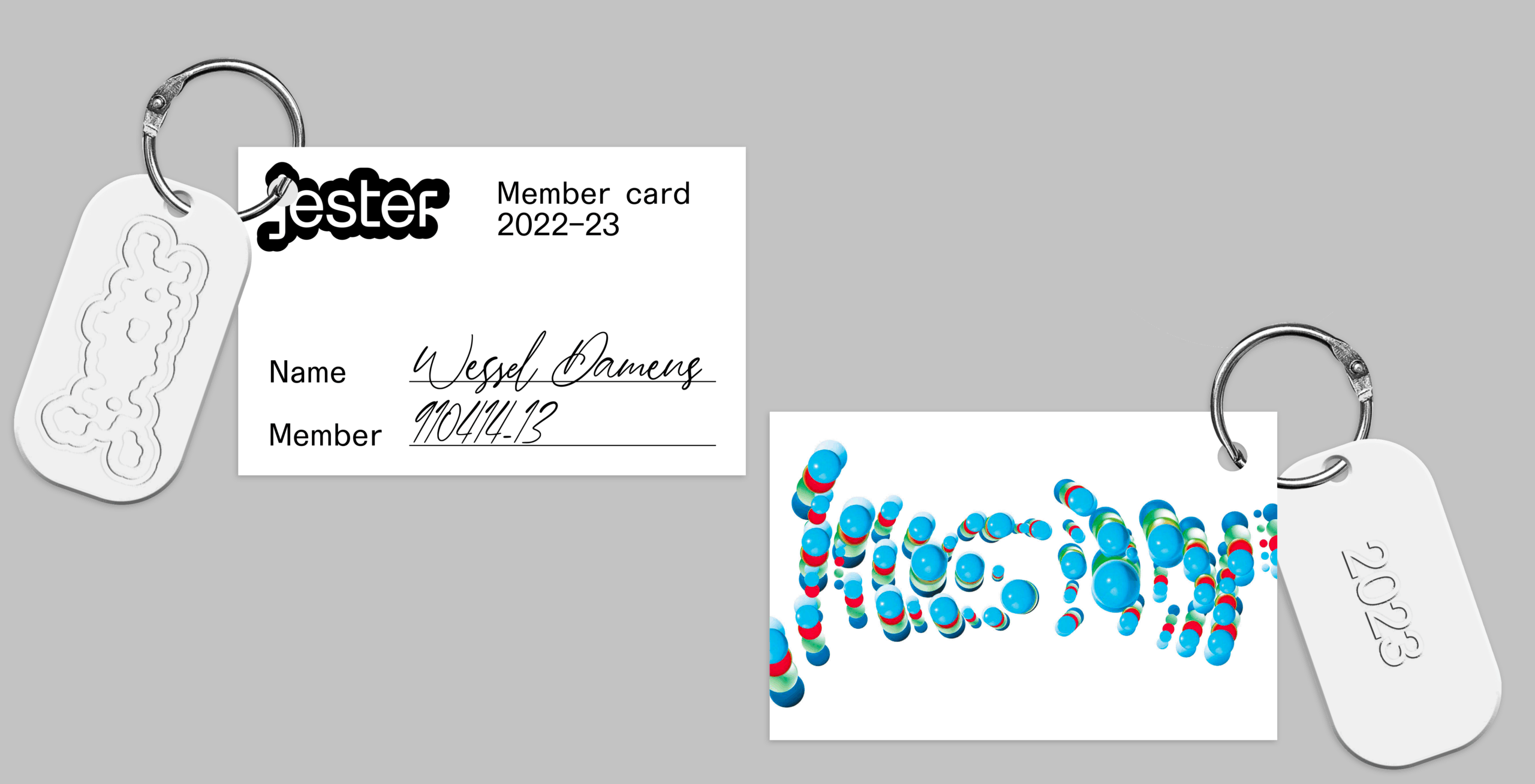
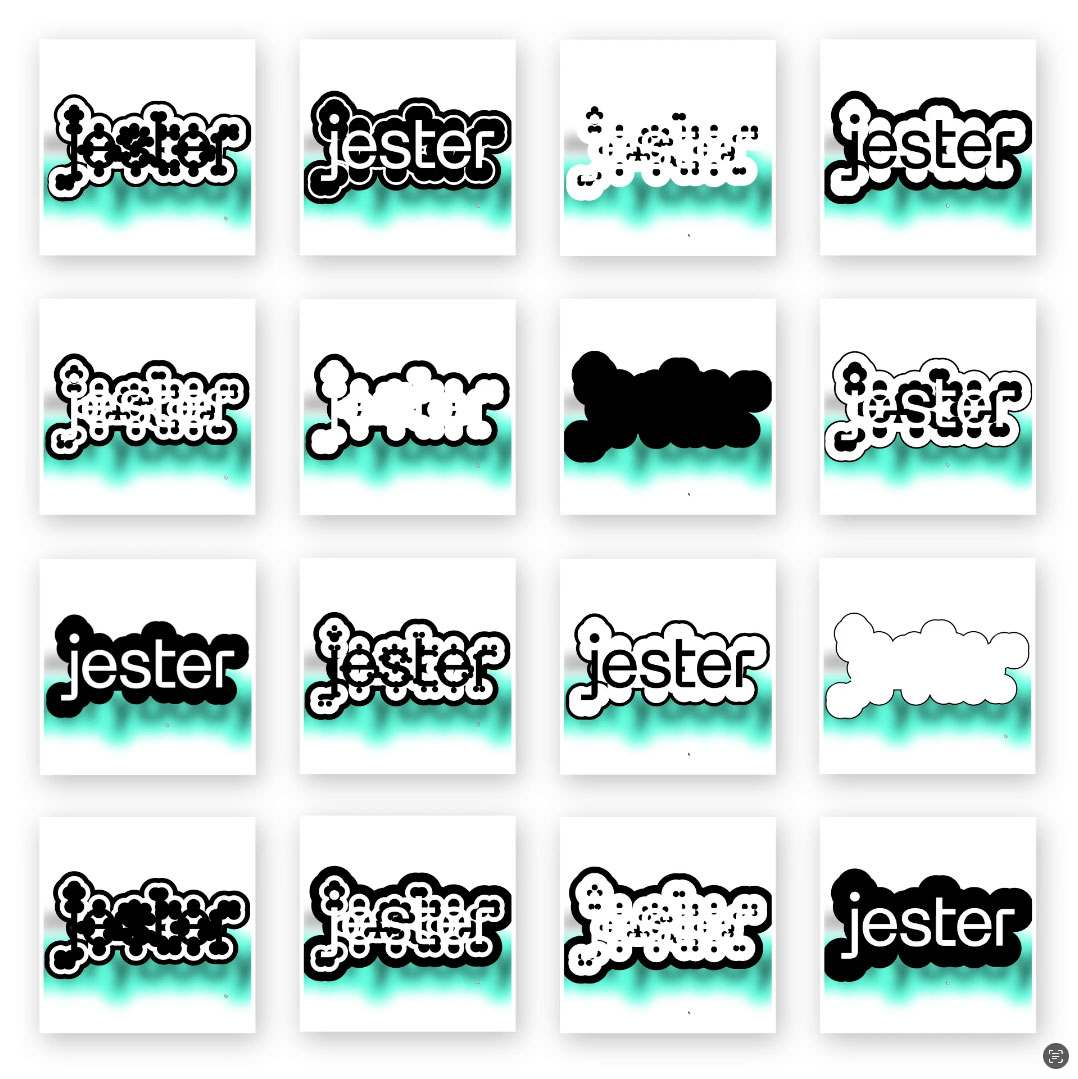
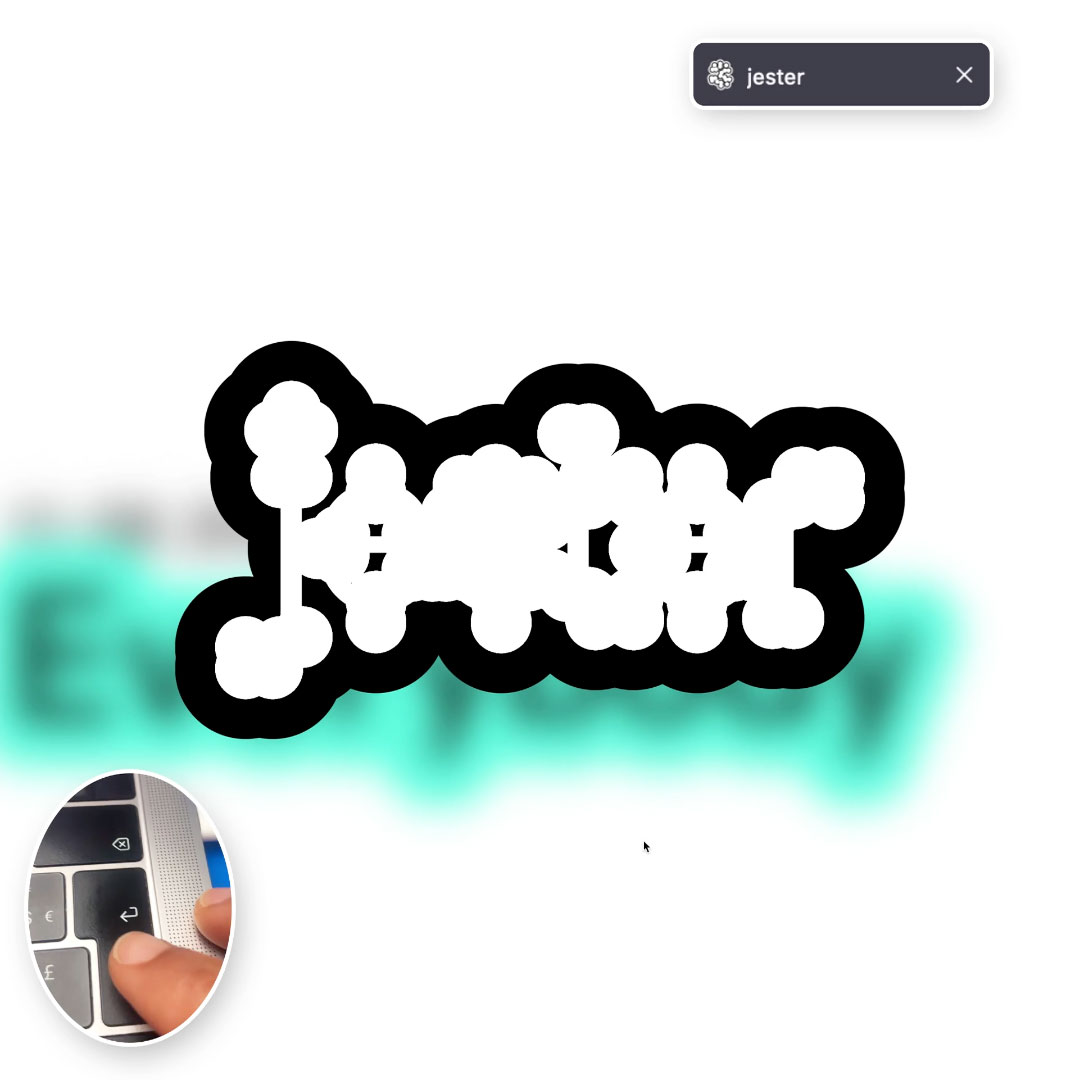
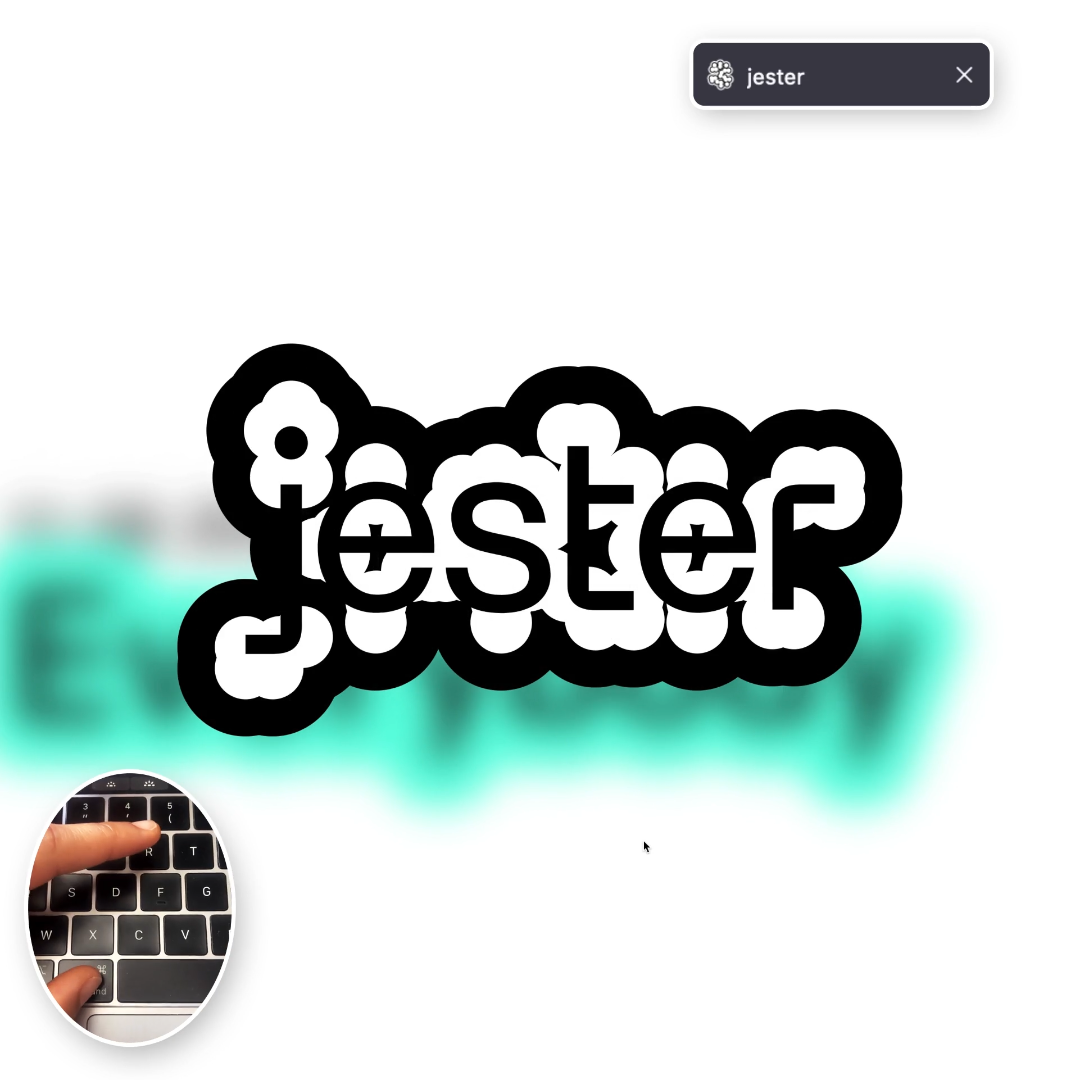
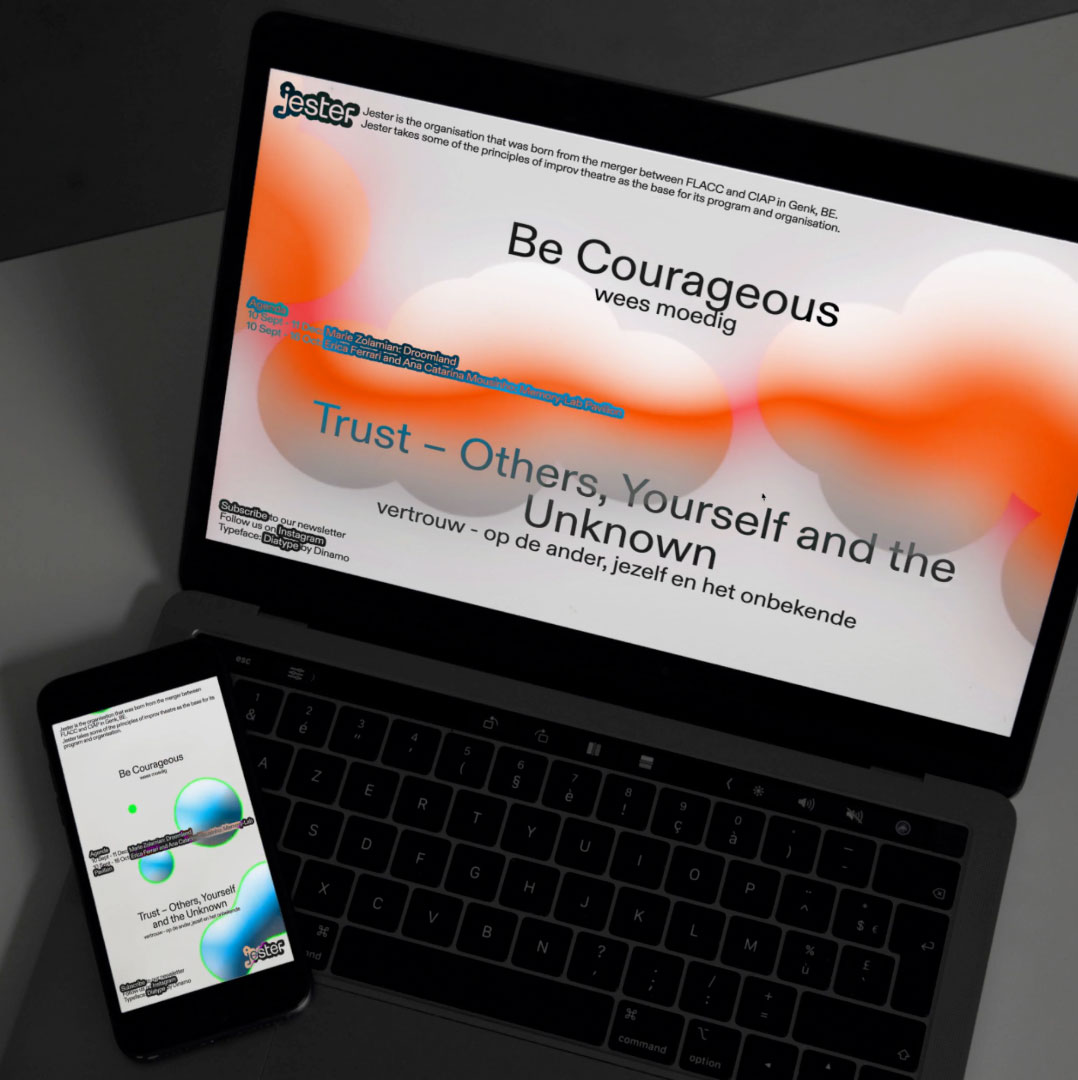
The visual identity developed for Jester (in collaboration with art director Clément Horad), a contemporary art center in Genk, is probably the one that best embodies my way of working. Jester is both a creative space and a research laboratory, constantly evolving. I wanted the identity to reflect this shifting, transformative energy. The entire system is built around a single primitive form: the circle. It acts as a cell, a cycle, or a zone depending on how it’s transformed. Through duplication, distortion, or fragmentation, it becomes the project’s visual DNA. Each context: poster, exhibition, publication; generates a new composition, as if the system were reconfiguring itself in real time. What I love about this project is the simplicity of its starting point and the vitality of its results. It embodies what I believe flexible identities should be: coherence doesn’t come from repeating a form, but from the persistence of an intention.

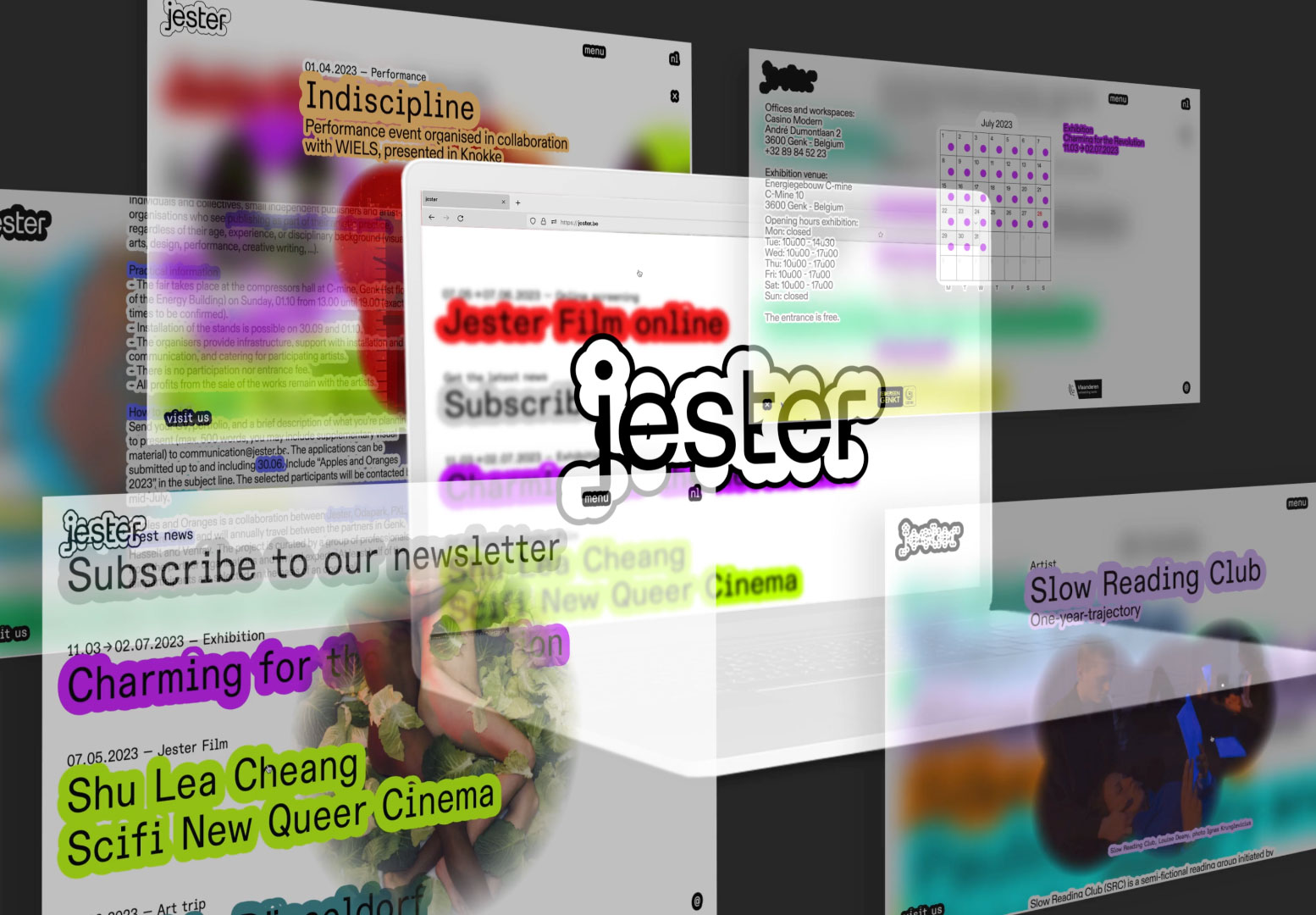
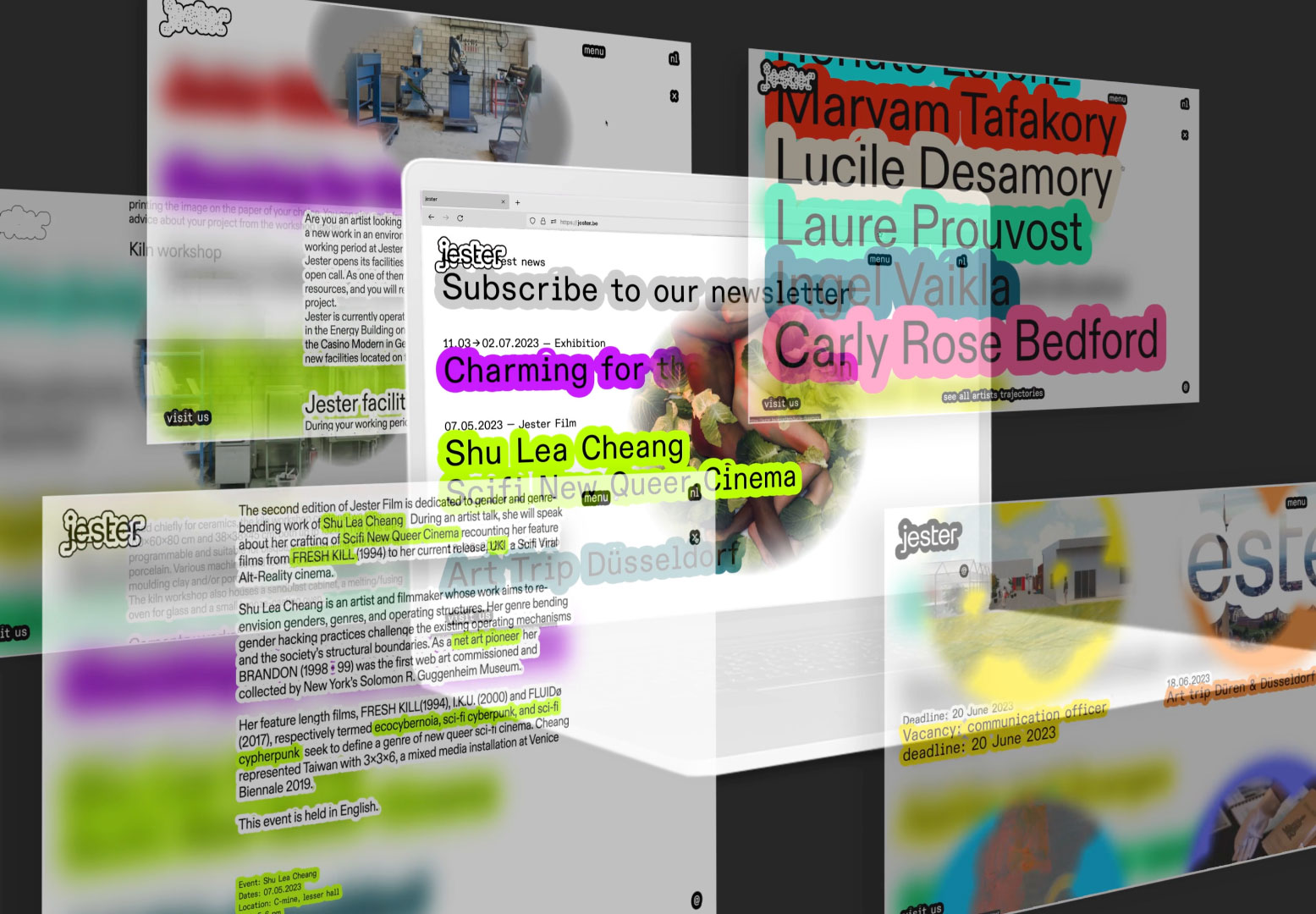

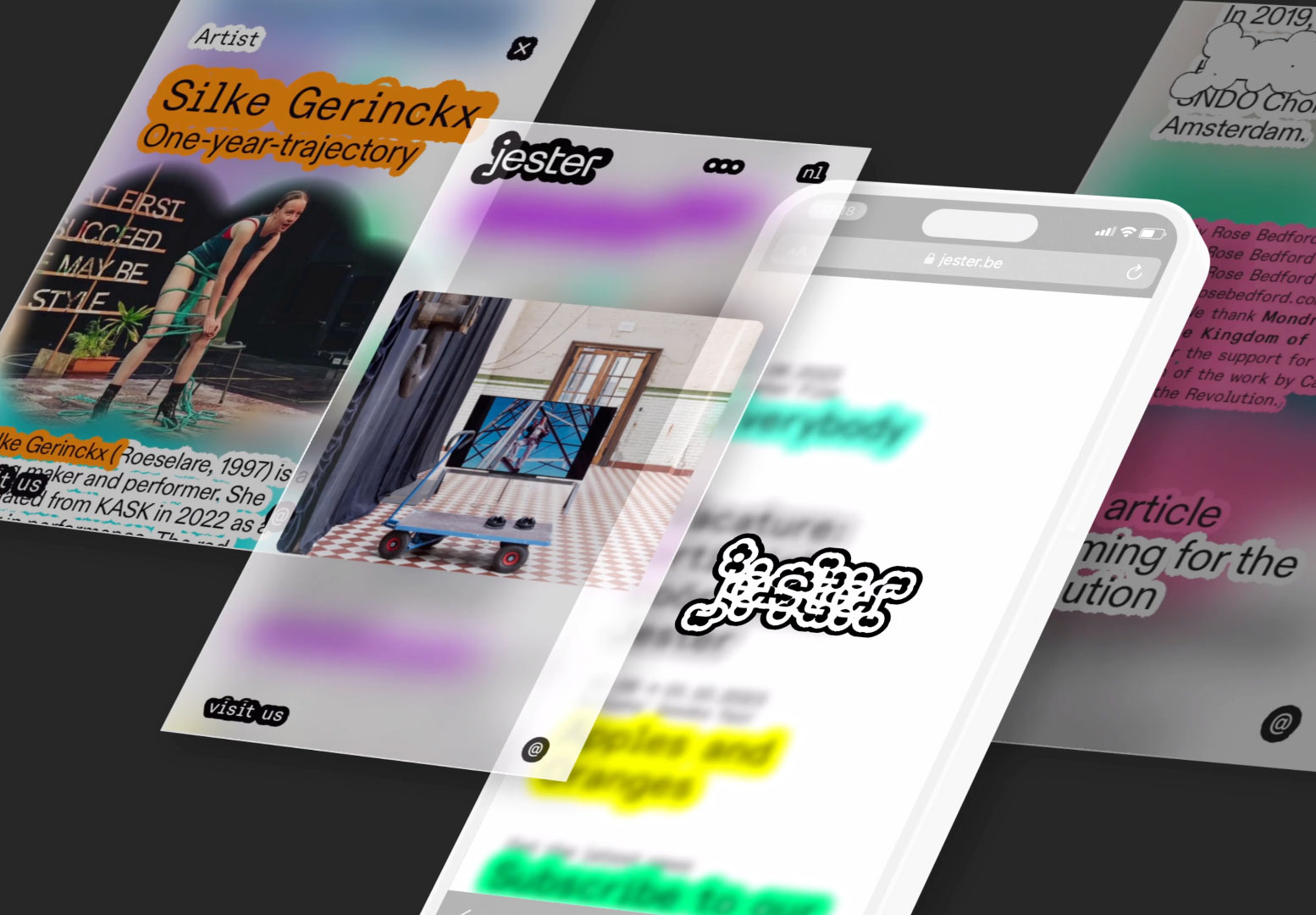

Can you describe your system with less than ten rules, like if it were a cooking recipe?
- Start from a simple form,
- Transform and duplicate it until it begins to feel unique,
- Deform, cut, merge: each gesture becomes a dialogue,
- Let accidents happen; they often reveal the system’s logic,
- Play with scale and rhythm to create visual tension,
- Use color as temperature: to set a mood rather than a hierarchy,
- Keep typography minimal, to let the forms speak,
- Let each iteration question the previous one,
- Observe how the system breathes across media: print, screen, motion,
- Stop when the composition feels alive.