What to consider when publishing a book
Interview with Slanted co-founder
and editor-in-chief Julia Kahl
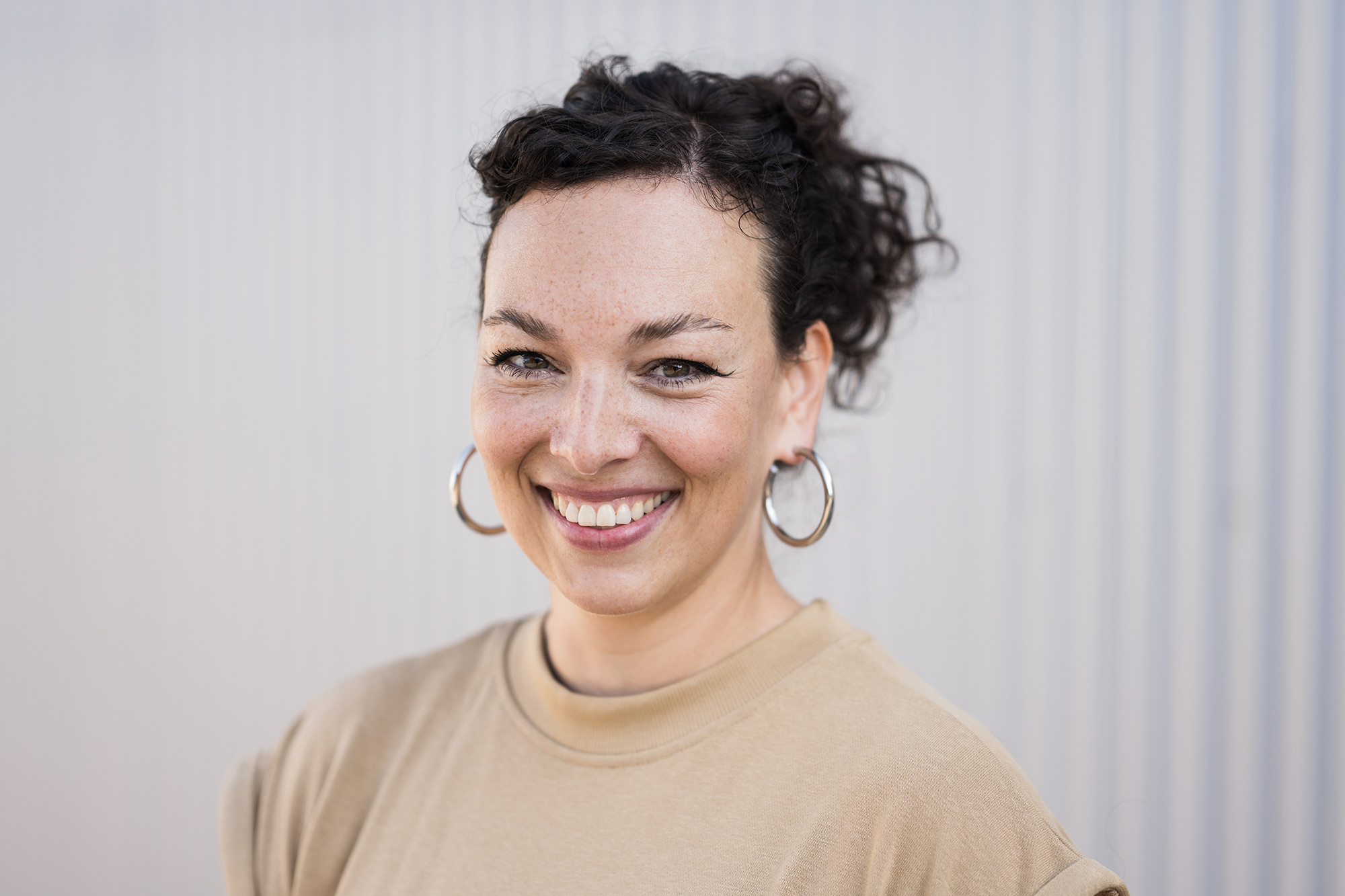
In 2019, when all publishers I spoke to rejected the book Flexible Visual Systems, it was Slanted that believed in the project and gave it a home. Today, 7 years and 6 editions later, I have the pleasure of interviewing the co-founder and editor-in-chief, Julia Kahl.
Julia joined the Slanted project in 2007 after studying Communication Design at the University of Applied Sciences in Darmstadt. In 2014, she then set up the publishing and media house Slanted Publishers together with Lars. As managing director, she is responsible for the overall strategic and commercial development of the company and leads its editorial direction across print and digital platforms. Her work connects publishing, business development, and content strategy, ensuring the continued growth and evolution of Slanted. In addition, Julia teaches typography and editorial design at various universities and is currently an interim professor at Mainz University of Applied Sciences.
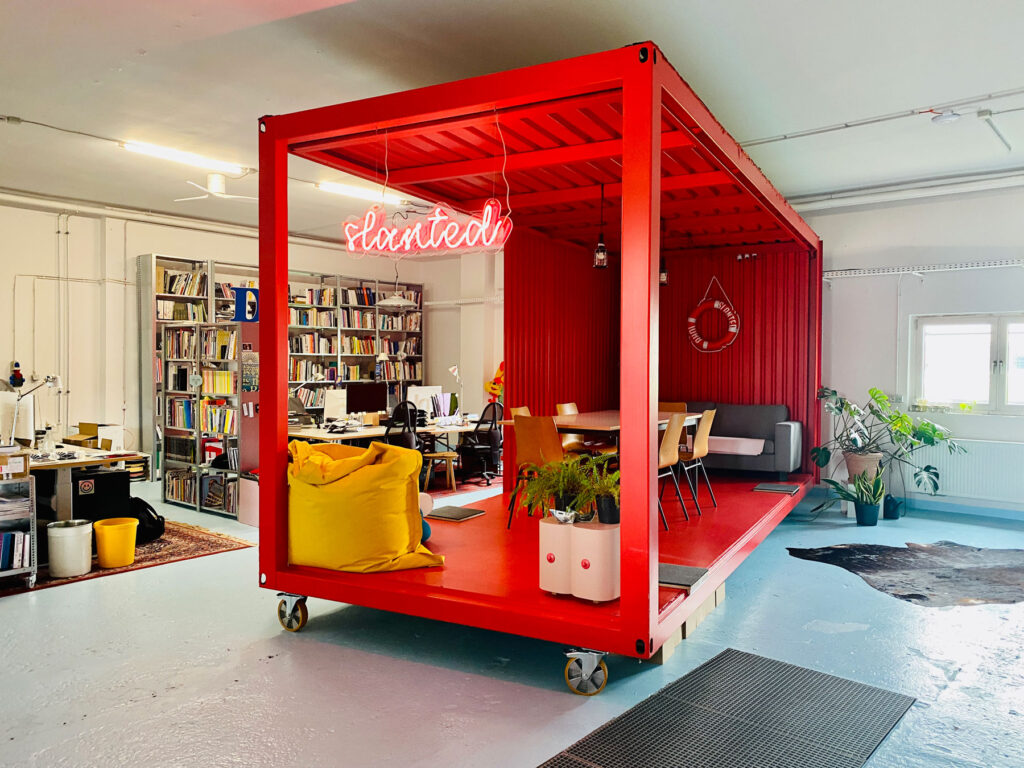
Martin: Julia, it’s a true pleasure to sit down with you and talk about the joy and pain of publishing books. Let’s start at the very beginning: where does your love for books come from?
Julia: I think books have always fascinated me. I remember being read to a lot as a child, then becoming an avid reader myself, and as a teenager I even started conceiving and designing my own publications. I simply loved immersing myself in a topic and turning it into something tangible on paper. Printed matter always felt somehow true and real to me.
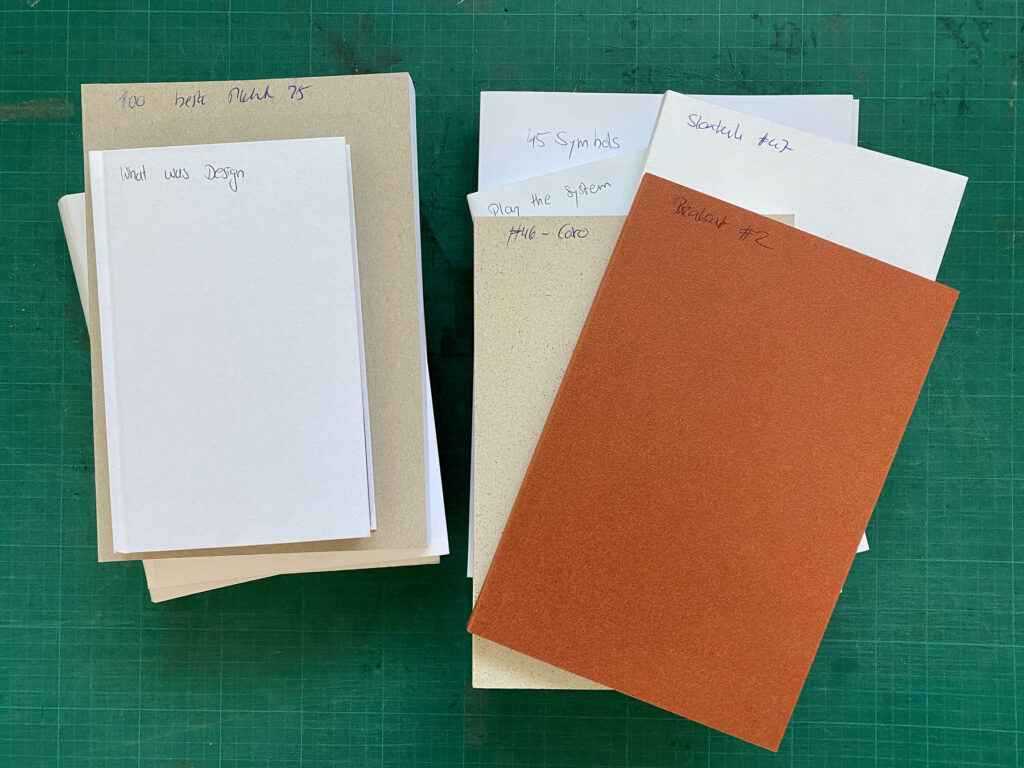
Part of my diploma thesis focused on paper and printability, and for many years I collected papers from all kinds of sources until I eventually had to give a large part of the archive away during a move. Fortunately, thanks to my son and all the craft projects that come with parenthood, my paper collection has been growing again quite substantially. So, in a way, my fascination with books and paper has never really left me—it has simply evolved over time.
Martin: What criteria does a great book meet? It’s a broad question, I know, but I’d love to hear your personal, subjective take on it.
Julia: Actually, it’s quite simple: we have to love it. A book should bring something new to the table—whether that’s through its content, its design, or, ideally, both.
Of course, it also needs to fit our publishing programme, which has a strong focus on typography and graphic design. Every now and then we publish books that sit a little outside those boundaries, simply because a topic has completely captured our attention.
Over the years, I’ve also gained a lot of experience and, hopefully, developed a good intuition for what might resonate with our readers. Publishing is never an exact science, but you learn to recognise when a project has that special quality and the potential to connect with a community.
Martin: A great book doesn’t automatically equal high sales numbers, yet commercial success is usually what gives a book its reach. In your experience, what are the key ingredients that help a book succeed in the market?
Julia: That’s a difficult question. If I had a definitive answer, we would probably publish more commercially successful books in order to finance even more niche projects.
In general, I would say that monographs and books with a very poetic or artistic approach often have a harder time reaching a broader audience. Practical books tend to perform better—guides, encyclopaedic publications, or books that explore a specific topic in great depth and offer real value to their readers.
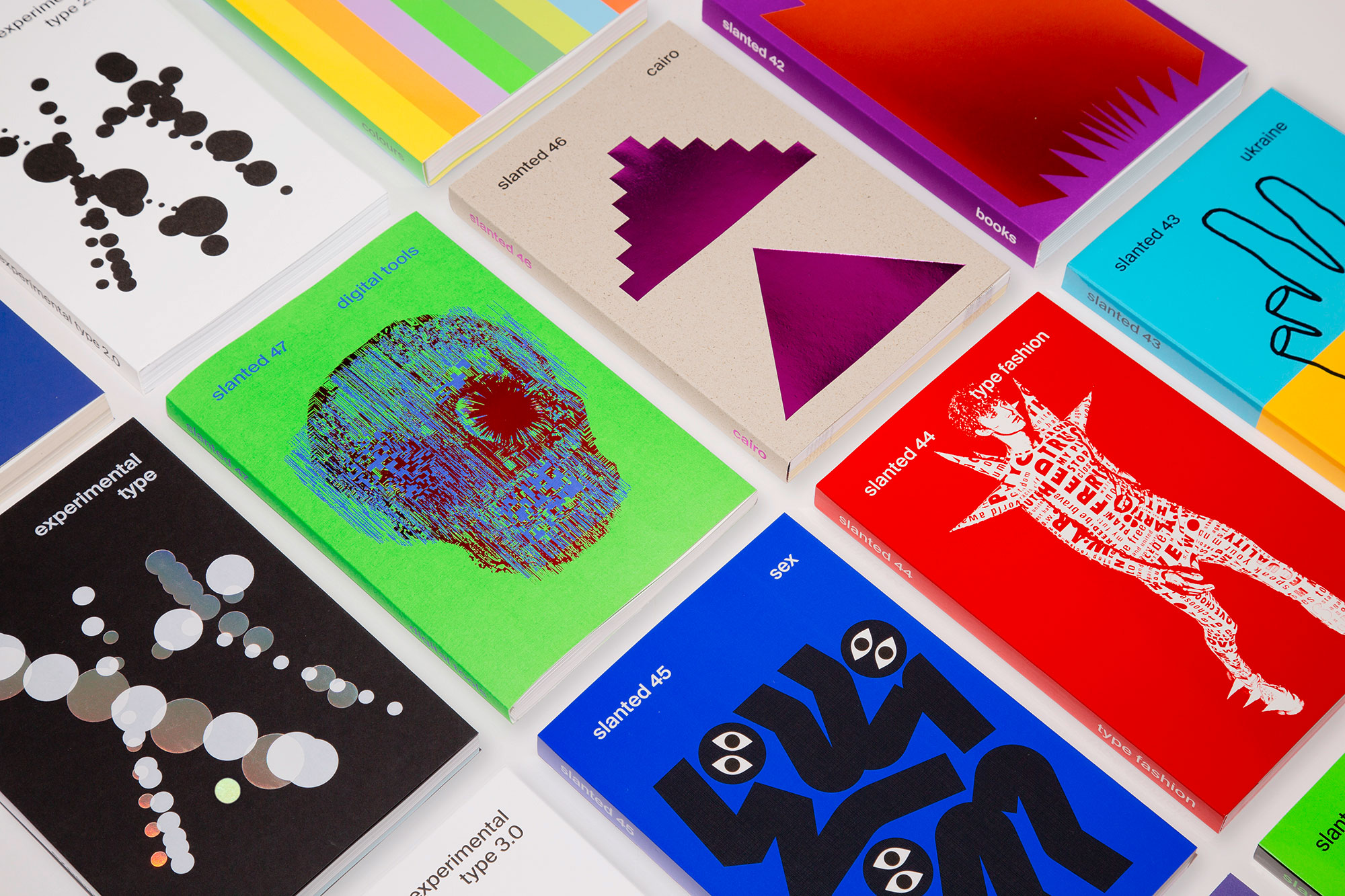
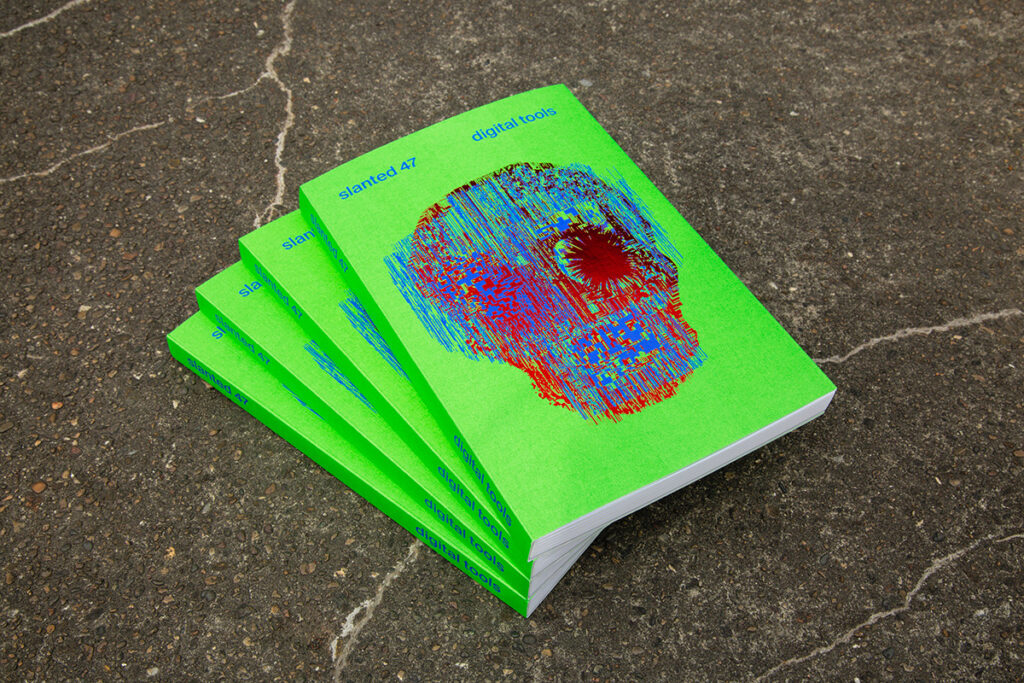
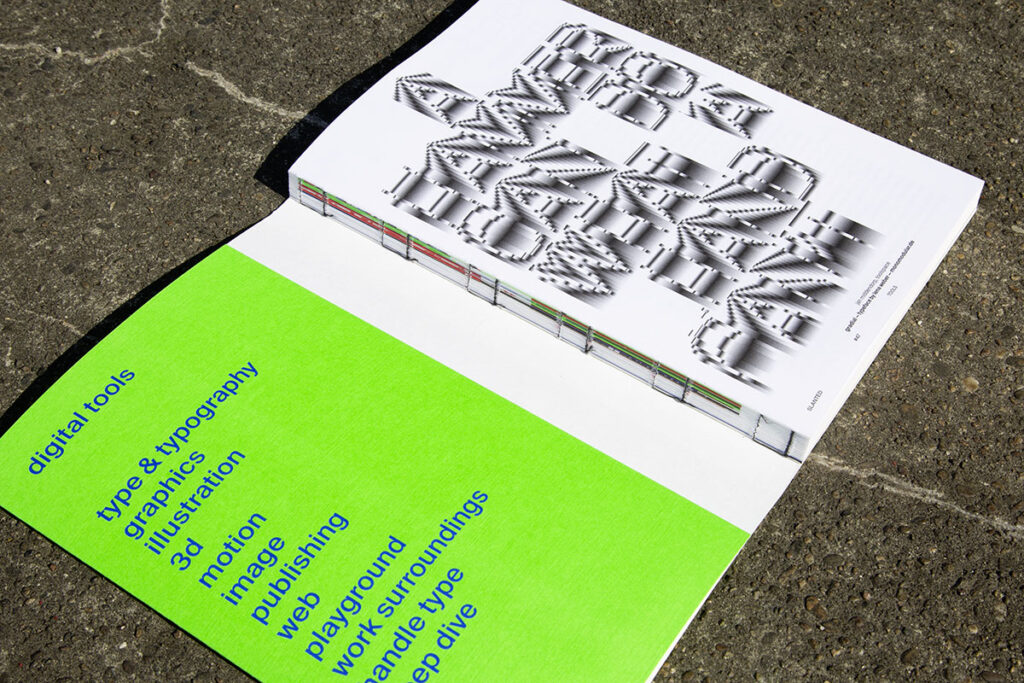
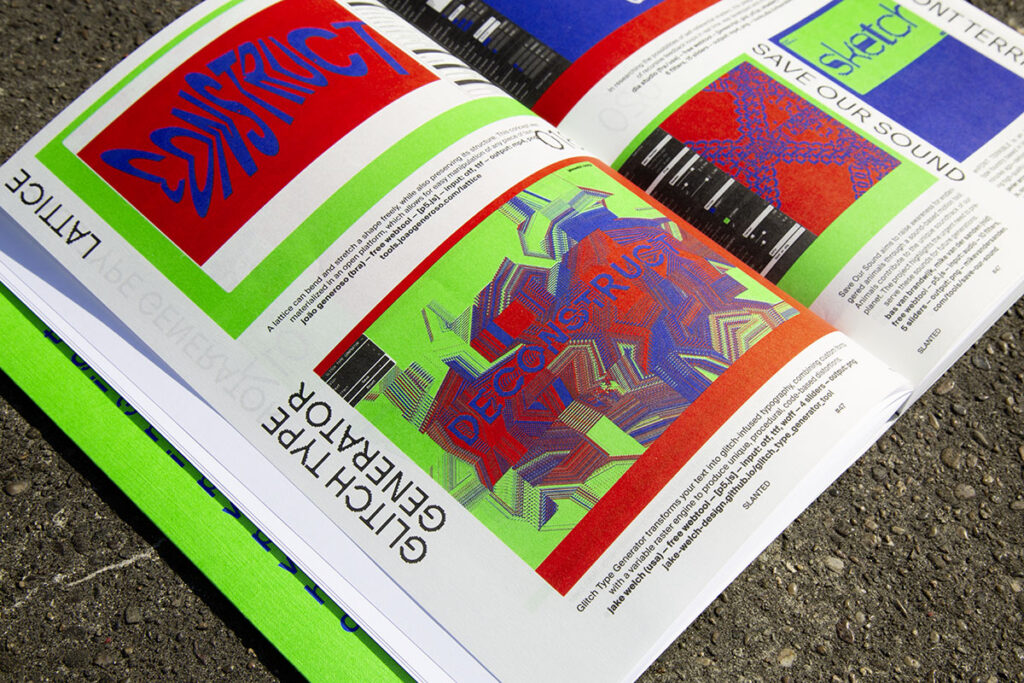
A good example is our recent issue, Slanted Magazine #47—Digital Tools, which has been performing very well. I think that’s because we chose a topic that truly reflects the current moment and provides genuine value for creative professionals. The issue is an extensive collection of contemporary digital tools that encourage experimentation across different creative disciplines and challenge readers to rethink their own processes.
Ultimately, commercial success often happens when the right topic meets the right audience at the right time. There is certainly strategy involved, but there is also a fair amount of intuition—and sometimes a little bit of luck.
Martin: I imagine your desk is constantly flooded with book pitches, both the brilliant and the bad. What makes a proposal stand out to you? Conversely, what are the absolute red flags to avoid when pitching a book?
Julia: We receive book proposals from all over the world almost every day. A proposal doesn’t need to be fully developed yet, but it should communicate a clear vision and direction. We want to understand where the project is heading and why it matters.
If the authors or editors are also designing the book themselves, we naturally want to see visual material as early as possible. That is perhaps one of the particularities of Slanted Publishers: because we come from a design background ourselves, we see publishing as a collaborative process and often act as sparring partners throughout the development of a book. In some cases, we also design the books ourselves and receive little more than a manuscript at the beginning.
Publishing books has become significantly more expensive in recent years, so it is always helpful when authors have already thought about possible ways to support the production—whether through partnerships, institutional support, or other forms of funding. This is by no means a prerequisite, but it shows an understanding that publishing is a shared endeavour and that bringing a book into the world often requires creative thinking on many different levels.
Martin: Speaking of pitches, Elio (TwoPoints.Net Barcelona) will be giving a School of Systems course dedicated to developing compelling book proposals. Would you be open to sitting on the jury for the students’ final presentations at the end of the course?
Julia: Of course! I would be very happy to be part of the jury.
I find it incredibly exciting to see the projects that are developed at universities. Teaching is also a very important part of my own work, and I always try to encourage students to develop ideas that are not only experimental and creative, but also applied and connected to real-world contexts.
Seeing how students approach the challenge of developing a book proposal and helping them refine their ideas sounds like a wonderful opportunity.
Thank you Julia!
As you read, Julia will make a special appearance at Elios’ course. Learn more about Elio’s workshop and course at: https://schoolofsystems.org