Interview with
Donald Roos
«Time management isn’t about cramming as much as possible into your day. We’re not machines. Being busy doesn’t always mean being productive. For me, time management is about spending your time wisely, since you only get to spend it once.»
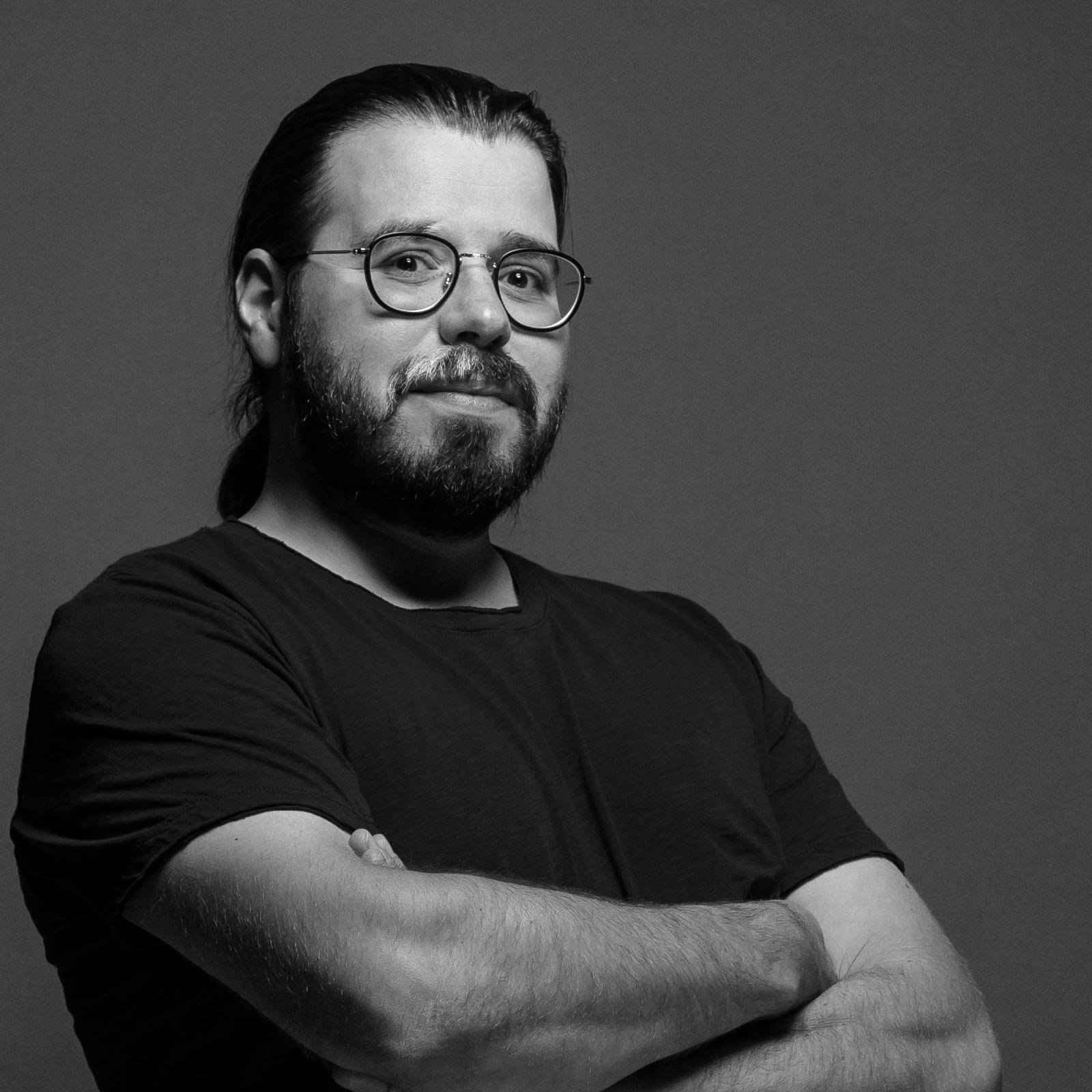
Donald Roos is a creative entrepreneur based in Amsterdam (the Netherlands). Trained as a (typo-) graphic designer at the Royal Academy of Art, The Hague, he sets up and runs projects with other professionals from different fields. Like many creatives, he has too much to do and too many ideas, so he came up with the ToDontList method.
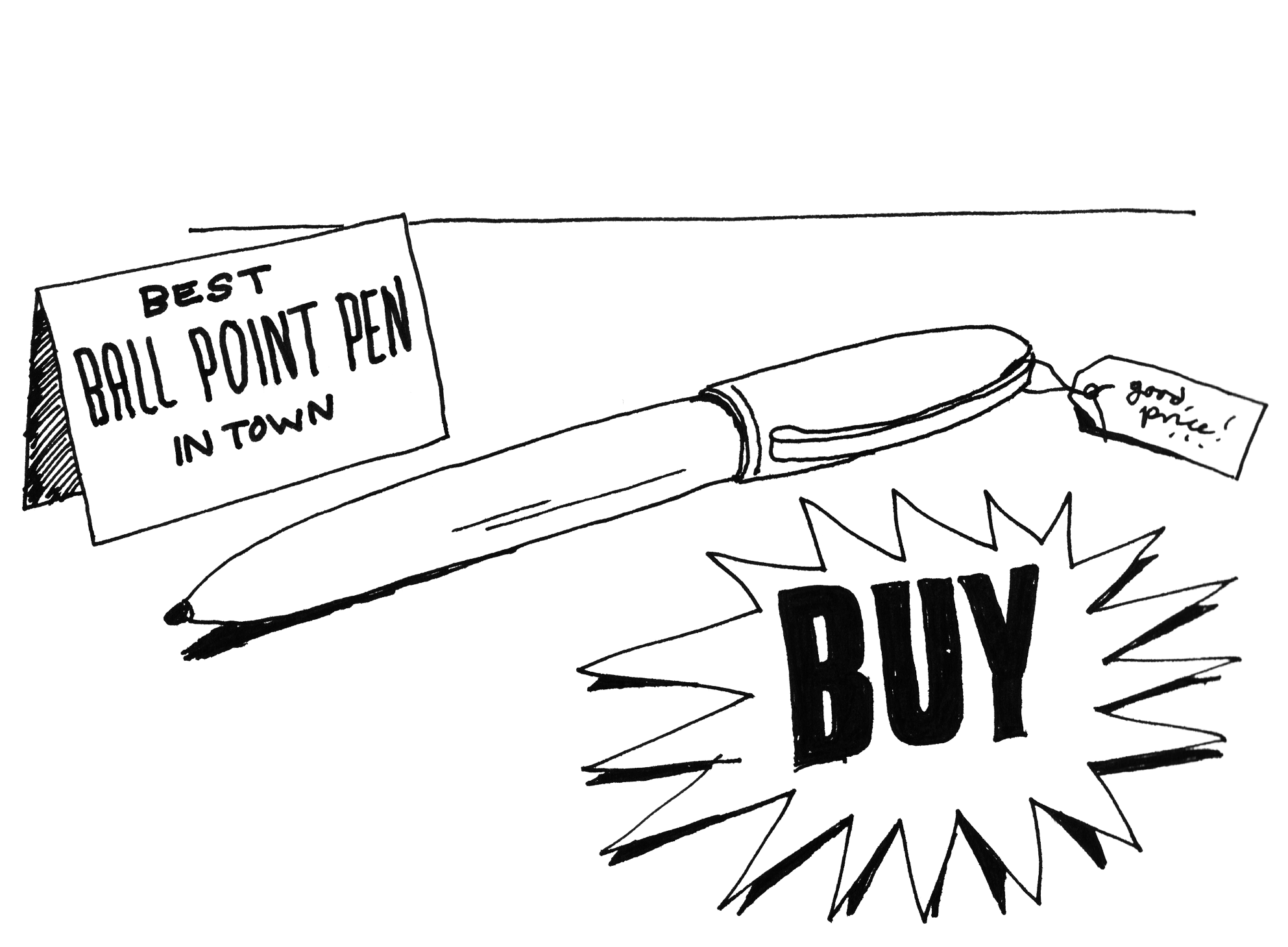
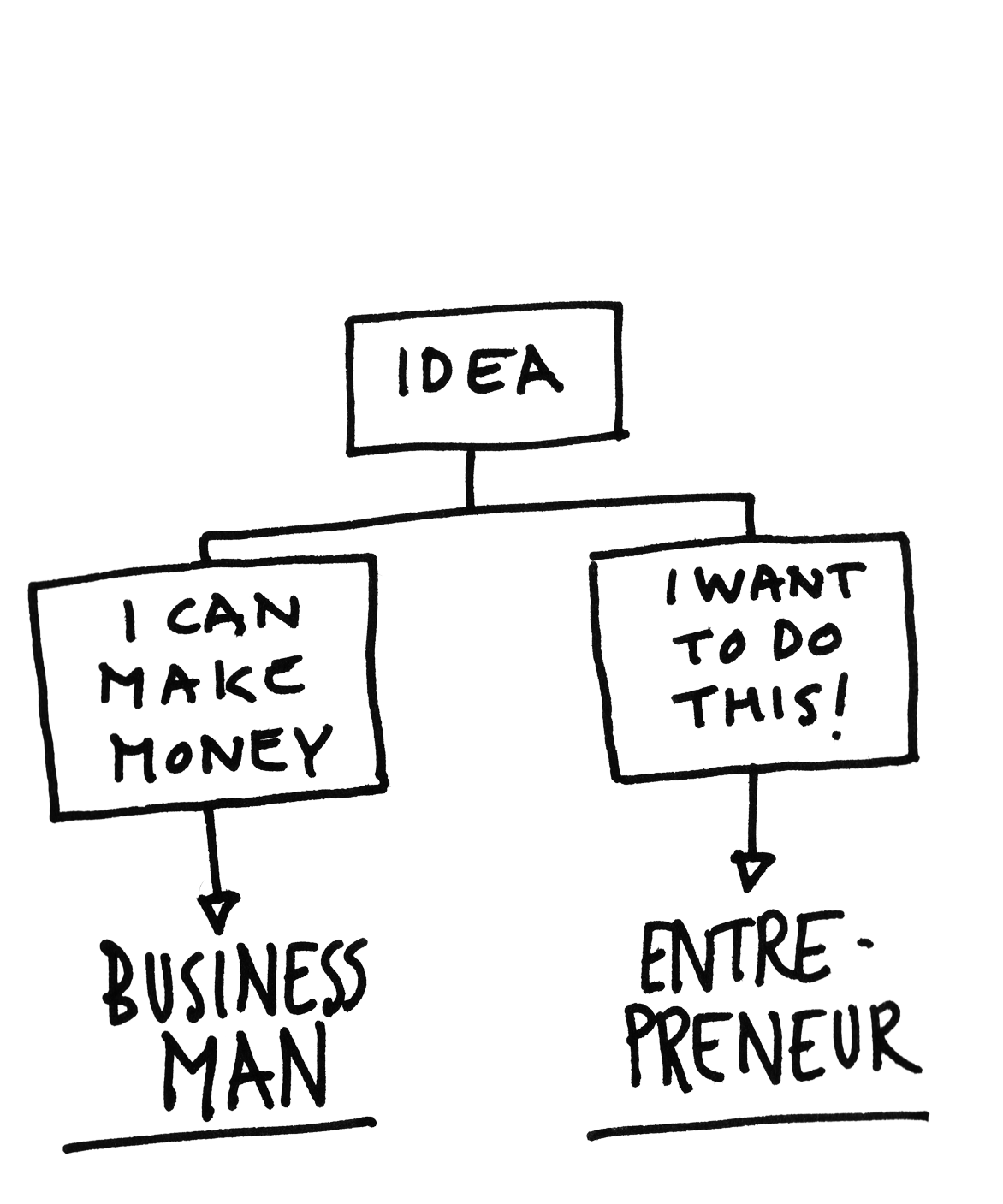
Together with co-writer Anne de Bruijn, he previously published Don’t Read This Book — Time Management for Creative People (30.000 copies, translated into seven languages) and Don’t Buy This Book — Entrepreneurship for Creative People. Their latest book is If You Don’t — Economics for Creative People / Saving the World by Doing Nothing. They also developed the thought experiment game called Don’t/Do This.
Based on his ToDon’tList philosophy, Donald strongly believes that limitations stimulate creativity. Whether it is time management or saving the world, making choices not to do something can be very effective. Deciding not to do everything, but making choices about what is really essential, defines your identity and your projects. It makes you stand out from the crowd. This is what you will learn in the course.

Martin: Hi Donald, before we start the interview let’s disclose that we have known each other for 27 years. We met while studying at the KABK. Back then your primary focus was type design. In May you offer a Workshop at the School of Systems about Time Management for Creative People. In retrospect, how did your past lead to your present?
Donald: Hi Martin, can you believe it’s been 27 years? Type design, typography, and lettering have always been my passion. At first glance, time management and type design seem worlds apart. But that’s just the surface. If you dig deeper, past the outcomes, you find the real magic in the process—the how and, even more importantly, the why.
While teaching type design at KABK, I saw many students wrestle with time management. Interestingly, the advice I gave for organising their time mirrored what I taught about designing type. Students often begin with A, then B, moving in a straight line. But real reading is never just abcde—it’s about words, combinations, and how letters interact. That’s why it’s crucial to zoom out and see the bigger picture. What story do you want your typeface to tell?
You need to craft your process with intention. Designing a typeface means embracing boundaries: your concept must fit every letter, upper and lowercase, plus numbers and punctuation. Then come the weights and styles, all of which need harmony. The real art lies in choosing what to include—and, even more importantly, what to leave out.
Now picture this: everything that happens in one letter shape relates to the next letter. And a couple of letters make a word. Your type design gives meaning to this word. And when you put some words next to each other, they start forming a text, a paragraph, a page, a book. I think it is interesting that when you change a small detail in your original lettershape, it will influence how the whole book looks and reads. When we try to change something, we mostly start on the book side, but it can be more effective to make a change at the type-design level. Changing a small thing can have a big impact. This principle also works for your design process or time management. Maybe something small, like going to bed an hour earlier, can make a big difference in how you do your work. Maybe don’t start on the computer when starting a new project, but give yourself an hour to sketch some ideas and outlines first. Small changes, big impact.
Martin: Let’s talk about the question: What would you like to achieve with your design? Most time management approaches I know have disappointed me, because they either make more time by outsourcing the work that feels less important to other humans or automate them with machines. Outsourcing to other humans feels extractive or exploitative to me and automating could potentially rob you of important details. I am not against automation of certain tasks, but when people stop reading and only get AI summaries of books, I can’t take them seriously anymore. Your approach seems to be different. Going one hour earlier to bed or drawing by hand seems like actions centered around well-being, rather than focusing solely on productivity. What is a positive outcome of your approach?
Donald: In short: time management isn’t about cramming as much as possible into your day. We’re not machines. Being busy doesn’t always mean being productive. For me, time management is about spending your time wisely, since you only get to spend it once. Set goals, but let them be flexible—think of them as a compass, not a cage. With every task, ask yourself: Is this moving me where I want to go? Along the way, you can decide to change that direction a little, or there is space for unexpected opportunities.
Time management should be about seeing the whole forest, not just the individual trees. We often get lost in endless to-do lists and feel overwhelmed, chasing every little task. But when you make decisions from a higher vantage point, many of those tasks simply fall away. And for those todos you need to do, you can use some automation, like accounting software. That way, you save time to work on your main projects. Or just take some time to go for a walk and rethink stuff. Because this way it is also fine to spend a few hours procrastinating, and then you might do your work very focused at once. When your goals are clear, you can do that. So time management is about setting goals and making sure you keep going in that direction. And there are some tricks to help you with that.
Martin: Sounds fantastic. I definitely need more of this in my life. Luckily, you have designed three workshops for the School of Systems, each one dedicated to a different aspect of improving life. Your life, but also the life around you. Tell me a bit about your first workshop, “Re-Design Your Focus” on the 8th and 22nd of May. Who is it for and what will they learn?
Donald: Everything I do with the ToDont-project carries the subtitle “for creative people.” Creativity isn’t just for artists or designers; it thrives in every field. Creative minds are idea factories, always generating new insights and plans. The challenge is focus. It’s easy to start a dozen projects, but finishing them is the real test. And that leaves you with many unfinished ideas buzzing in your head. To keep some sense of control, we cling to our usual routines. But this can leave us spinning in a creative loop, stuck and unable to move forward. And last but not least, as a creative person, you like your work to be seen. To stand out from the crowd. Make an impact. These are exactly the topics we will focus on during the workshop. After the workshop, you will be able to spend your time more thoughtfully. So if you’re struggling with focus, feeling stuck creatively, or longing to make a bigger impact, this workshop is for you!
Martin: Very much looking forward to it.
Thank you Donald!